


The
Daily
Fix
For time:
Coconut Lemongrass Chicken
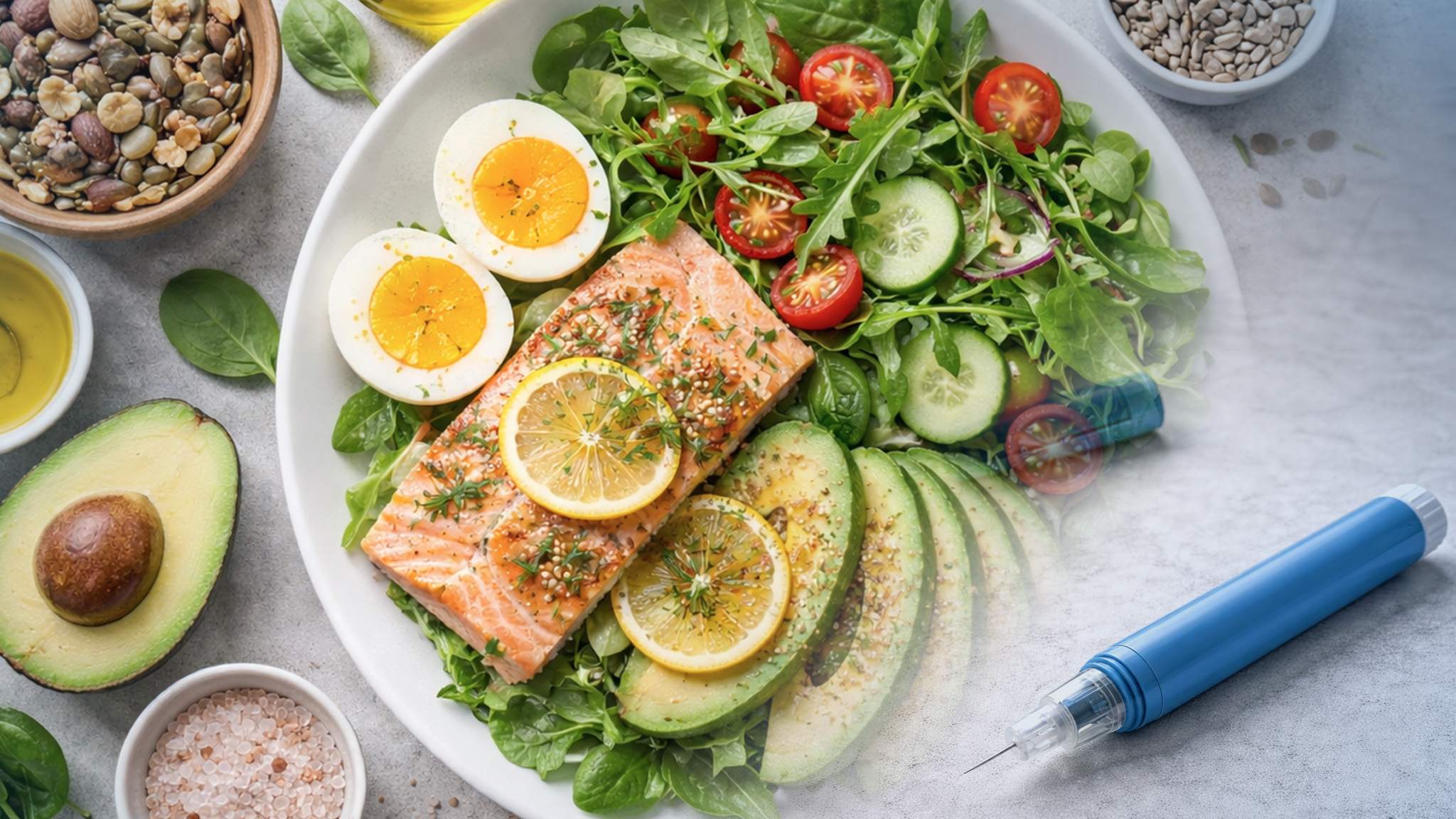
Elevate GLP-1 Naturally

Row 2,000 meters
50 wall-ball shots
Row 1,000 meters
35 wall-ball shots
Row 500 meters
20 wall-ball shots
Tender chicken simmered in a rich, aromatic coconut cream sauce infused with lemongrass, garlic, and ginger — a fragrant, satisfying, dish.
How whole foods activate the body’s own GLP-1 system—without the drugs.
Men use a 20-lb ball to 10 feet.
Women use a 14-lb ball to 9 feet.
Post time to comments.
Ingredients
1 ½ lbs chicken thighs or breasts, cut into bite-sized pieces
2 Tbsp butter or tallow (for cooking)
2 cloves garlic, minced
1 Tbsp fresh ginger, grated
1 stalk lemongrass, trimmed and finely minced (or 1 Tbsp lemongrass paste)
1 cup full-fat coconut milk
1 Tbsp fish sauce or coconut aminos
1 Tbsp lime juice
1 tsp turmeric
Salt and black pepper, to taste
Fresh cilantro or Thai basil, chopped (for garnish)
Macronutrients
(per serving, serves 4)
Protein: 38g
Fat: 34g
Carbs: 4g
Preparation
Heat butter or tallow in a large skillet over medium heat. Add chicken pieces and sear 4–5 minutes until golden on the outside. Remove and set aside.
In the same skillet, add minced garlic, ginger, and lemongrass. Cook 1–2 minutes until fragrant.
Stir in turmeric, salt, and black pepper, coating the aromatics in the spices.
Pour in coconut milk and fish sauce, stirring to combine. Bring to a gentle simmer.
Return the chicken to the skillet and simmer 8–10 minutes, stirring occasionally, until the chicken is cooked through and the sauce has thickened slightly.
Stir in lime juice and taste for seasoning, adding more salt or lime as desired.
Remove from heat, garnish with chopped cilantro or Thai basil, and serve hot with cauliflower rice or sautéed greens.
GLP-1 receptor agonist drugs such as Ozempic and Wegovy have gained enormous attention for their ability to improve blood sugar control, promote weight loss, and influence a wide range of metabolic processes throughout the body. But the biological pathways these drugs target are not new inventions—they are part of the body’s natural nutrient-sensing system. GLP-1 is normally produced in the gut in response to food, particularly protein, healthy fats, and certain fibers, and it helps regulate appetite, blood glucose, inflammation, and energy metabolism. By emphasizing whole foods that stimulate these natural signals, it is possible to elevate GLP-1 activity and support many of the same metabolic benefits without relying on pharmaceutical intervention.




THURSDAY 260409