

The
Daily
Fix
For load:
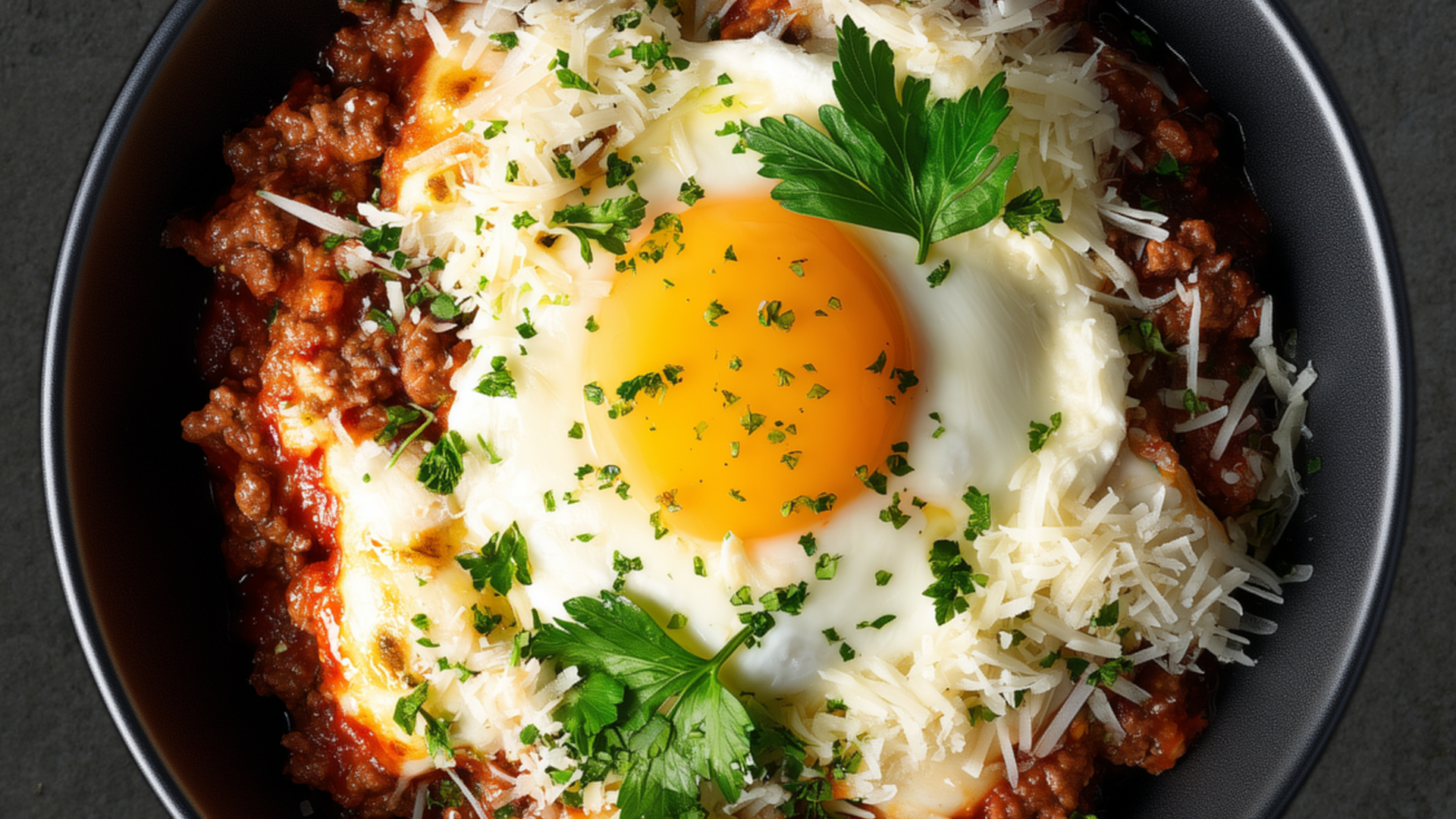
Lasagna Breakfast Bowl
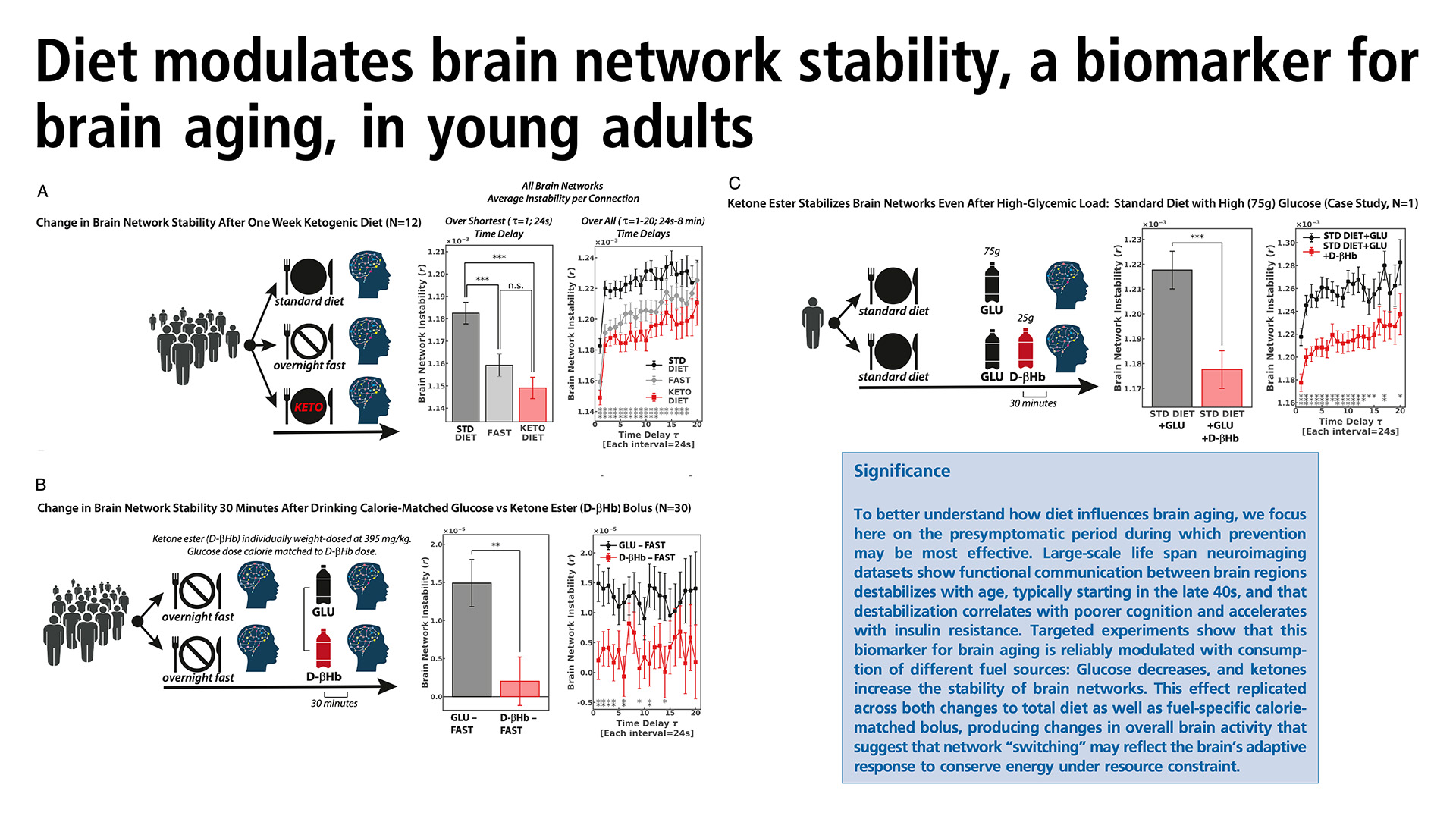
Diet, Ketones, and the Aging Brain
Higher ketone levels improved brain network stability, while glucose impaired it.
Back squat 3-3-3 reps
Shoulder press 3-3-3 reps
Deadlift 3-3-3 reps
A breakfast bowl layered with savory beef marinara, warm ricotta, melted mozzarella, and eggs for a lasagna-inspired start to the day.
Ingredients
2 tbsp butter (for cooking)
8 oz ground beef
½ cup tomato sauce (sugar-free / low-carb)
1 tsp salt (or to taste)
½ tsp black pepper
1 tsp dried oregano
1 tsp dried basil
½ tsp dried thyme
½ tsp crushed red pepper flakes (optional)
½ cup ricotta cheese
1 clove garlic, minced (or ½ tsp garlic powder)
2 tbsp grated parmesan
½ cup shredded mozzarella (for topping)
2 eggs
1 tsp olive oil (to drizzle at the end)
Fresh parsley (optional, for garnish)
Macronutrients
(per serving, makes 2)
Protein: 48g
Fat: 48g
Carbs: 8g
Instructions
Cook the beef mixture:
Heat a skillet over medium heat with 1 tbsp butter. Add ground beef and cook until nearly browned.
Stir in tomato sauce, oregano, basil, thyme, salt, pepper, and red pepper flakes. Simmer for 2–3 minutes until thickened and fragrant.
Transfer to a bowl and set aside.
Make the warm ricotta layer:
In a small bowl, mix ricotta, garlic, parmesan, and a pinch of salt/pepper.
Add the mixture back into the skillet (low heat) and stir for 1–2 minutes just until warmed through, then remove.
Cook the eggs:
Wipe out the skillet, melt the remaining 1 tbsp butter, and fry the eggs sunny-side up or over easy.
Assemble the bowls:
Divide beef mixture into two bowls. Add a layer of the warm ricotta mixture over the beef.
Place a fried egg on top. Sprinkle it with shredded mozzarella.
Drizzle with olive oil and garnish with parsley
Go heavy.
Post loads to comments.
Compare to 251223.
This study examined how the brain's fuel source influences communication between different brain regions. Using MRI scans, the researchers found that brain network stability—a marker associated with healthy brain function—begins to decline around age 47 and deteriorates more rapidly after age 60. Younger adults with type 2 diabetes showed patterns of brain aging similar to healthy people about five years older, suggesting metabolic dysfunction may accelerate age-related changes.
The researchers then tested whether raising blood ketone levels could improve brain function. Whether participants reached ketosis through an overnight fast, a ketogenic diet, or an exogenous ketone drink, brain network stability consistently improved compared to a standard diet or a glucose drink. While the study measured brain connectivity rather than memory or cognition directly, the findings support the idea that the brain functions more efficiently when ketones are available as fuel and further strengthen the link between metabolic health and long-term brain health.
GET THE FULL FIX AT BROKENSCIENCE.ORG/FIX




SUNDAY 260726