
-
link to book
- John Krushke
summary
There is an explosion of interest in Bayesian statistics, primarily because recently created computational methods have finally made Bayesian analysis obtainable to a wide audience. Doing Bayesian Data Analysis, A Tutorial Introduction with R and BUGS provides an accessible approach to Bayesian data analysis, as material is explained clearly with concrete examples. The book begins with the basics, including essential concepts of probability and random sampling, and gradually progresses to advanced hierarchical modeling methods for realistic data. The text delivers comprehensive coverage of all scenarios addressed by non-Bayesian textbooks–t-tests, analysis of variance (ANOVA) and comparisons in ANOVA, multiple regression, and chi-square (contingency table analysis).
This book is intended for first year graduate students or advanced undergraduates. It provides a bridge between undergraduate training and modern Bayesian methods for data analysis, which is becoming the accepted research standard. Prerequisite is knowledge of algebra and basic calculus. Free software now includes programs in JAGS, which runs on Macintosh, Linux, and Windows.

Let's start with the truth!

Support the Broken Science Initiative.
Subscribe today →
recent posts
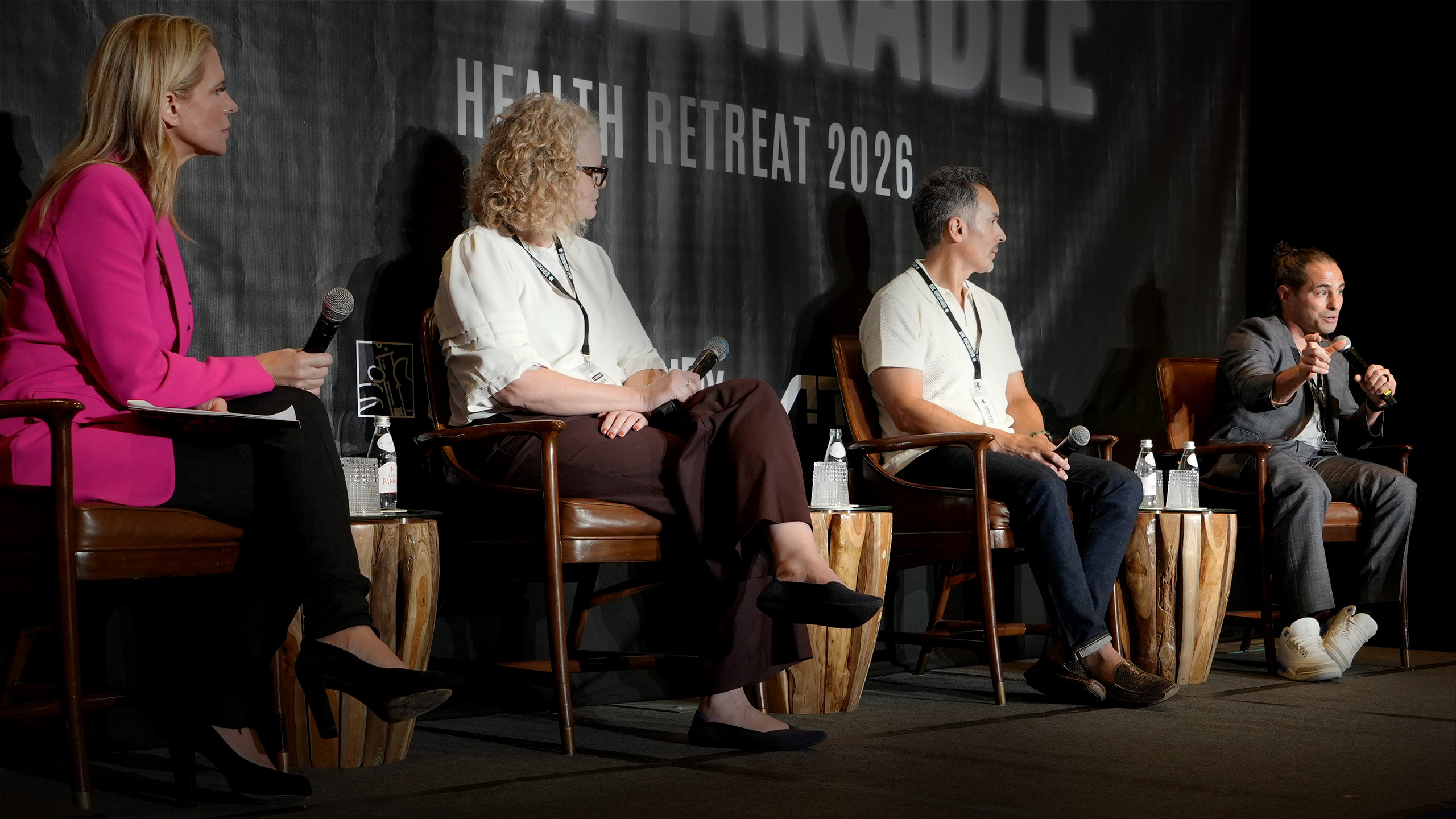
Metabolic health, medical education, and the case for bringing clinicians and coaches together
At the 2026 Unbreakable Health Retreat in Miami, Emily Kaplan hosted a panel with Bob Kaplan, Professor Thomas Seyfried, and Dr. Derek Lee on what it means to treat cancer as a metabolic disease. They discussed the glucose-ketone index (GKI), nutritional ketosis, and strategies aimed at restricting the fuels cancer cells depend on while considering how metabolic therapy can fit alongside standard cancer treatment.
The conversation also addressed the practical realities patients face when trying to pursue a metabolic approach within the conventional oncology system, including questions about nutrition, repurposed drugs, inherited cancer risk, and how to evaluate different treatment options. Seyfried and Lee connected these clinical questions back to mitochondrial dysfunction, fermentation, and the metabolic vulnerabilities that may offer additional targets for cancer treatment.
An abbreviated version of this discussion is available here, for free.
At the 2026 Unbreakable Health Retreat in Miami, Professor Thomas Seyfried presented the case that cancer is fundamentally a mitochondrial metabolic disease rather than primarily a genetic one. He contrasts the dominant somatic mutation theory with a metabolic model in which impaired mitochondrial respiration drives a shift toward fermentation, dysregulated cell growth, and the mutations commonly associated with cancer.
Citing the work of Otto Warburg and research from his lab at Boston College, Seyfried explains how cancer cells rely heavily on fermentable fuels—particularly glucose and glutamine—and why mitochondrial dysfunction sits upstream of many of the genetic abnormalities seen in tumors. He also discusses reactive oxygen species, altered cellular signaling, and the role of mitochondria in regulating cell growth and behavior.
The presentation then turns to the therapeutic implications of this model. Seyfried explains strategies aimed at placing tumor cells under metabolic stress by restricting the fuels they depend on, including ketogenic metabolic therapy and approaches targeting glucose and glutamine. For Seyfried, the therapeutic target follows directly from the biology: restrict the fuels cancer cells depend on, exploit their metabolic weaknesses, and treat mitochondrial dysfunction as the central feature of the disease.
An abbreviated version of this discussion is available here, for free.
MetFix and BSI Members can view the full 54-minute video.


