
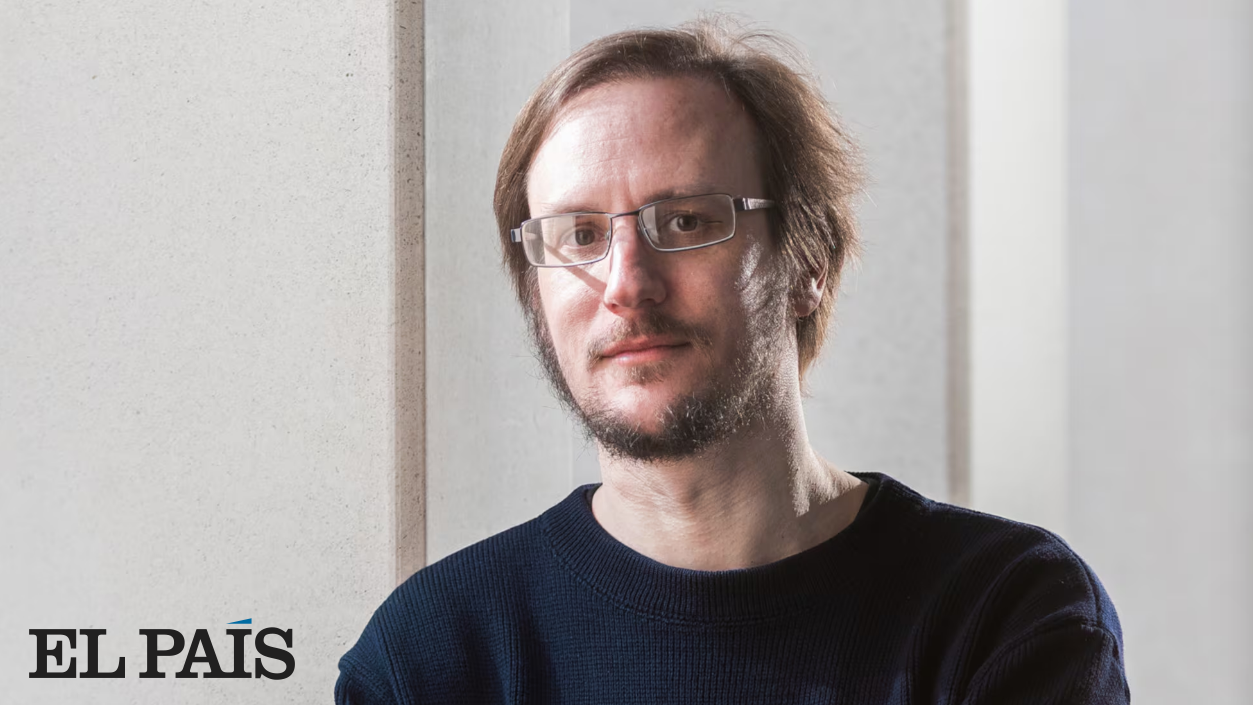
April 25, 2024 article from El País.
A London librarian has analyzed millions of articles in search of uncommon terms abused by artificial intelligence programs. He detected a sudden rise in the use of certain words, such as meticulously (up 137%), intricate (117%), commendable (83%) and meticulous (59%.)
“Andrew Gray estimates that at least 60,000 scientific studies (more than 1% of those analyzed in 2023) were written with the help of ChatGPT — a tool launched at the end of 2022 — or similar. ‘I think extreme cases of someone writing an entire study with ChatGPT are rare,’ says Gray, a 41-year-old Scottish librarian. In his opinion, in most cases artificial intelligence is used appropriately to ‘polish’ the text — identify typos or facilitate translation into English — but there is a large gray area, in which some scientists take the assistance of ChatGPT even further, without verifying the results. ‘Right now it is impossible to know how big this gray area is, because scientific journals do not require authors to declare the use of ChatGPT, there is very little transparency,’ he laments.”

Let's start with the truth!

Support the Broken Science Initiative.
Subscribe today →
recent posts
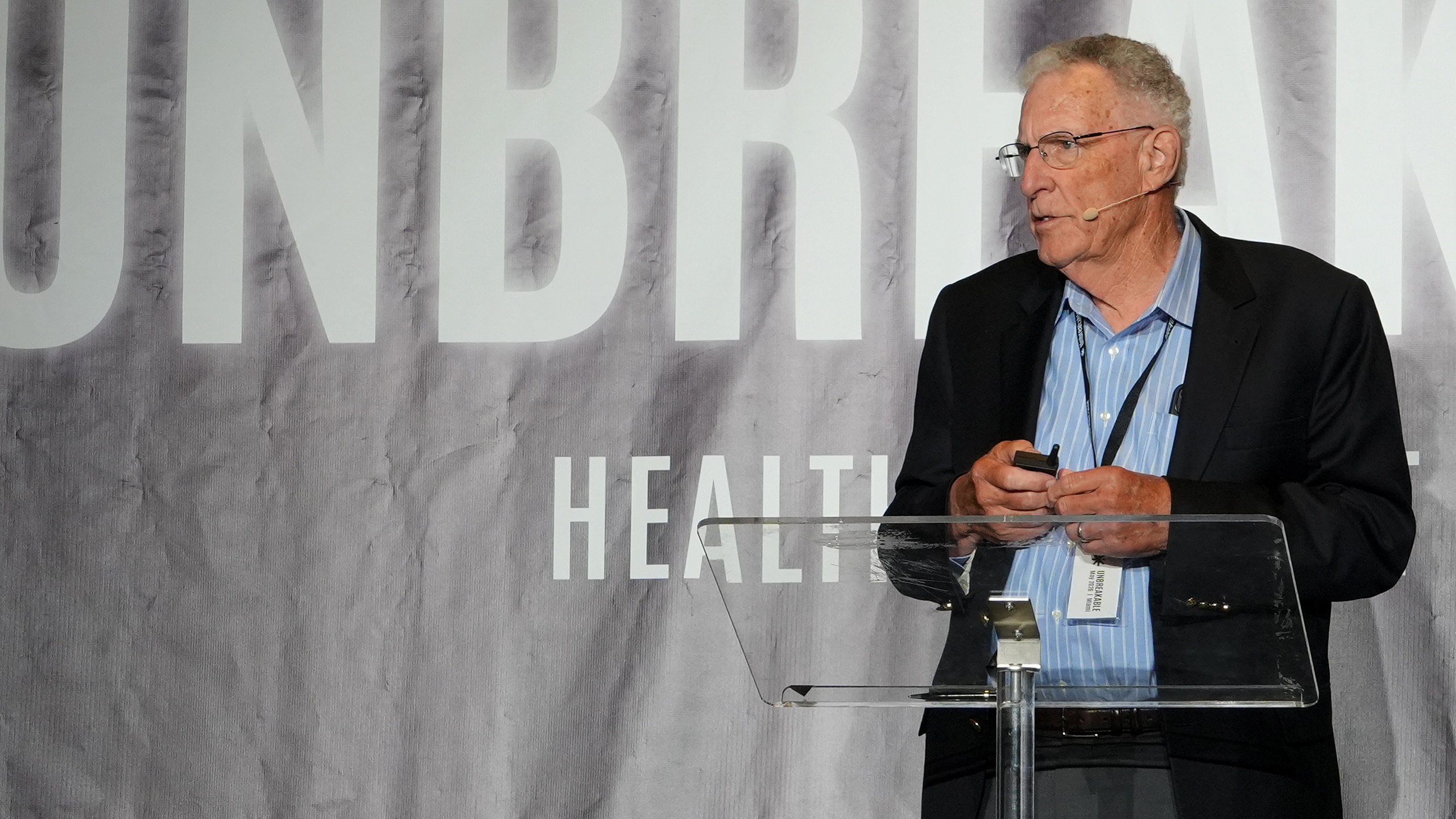
Cancer as a metabolic disease—and the case against the somatic mutation theory
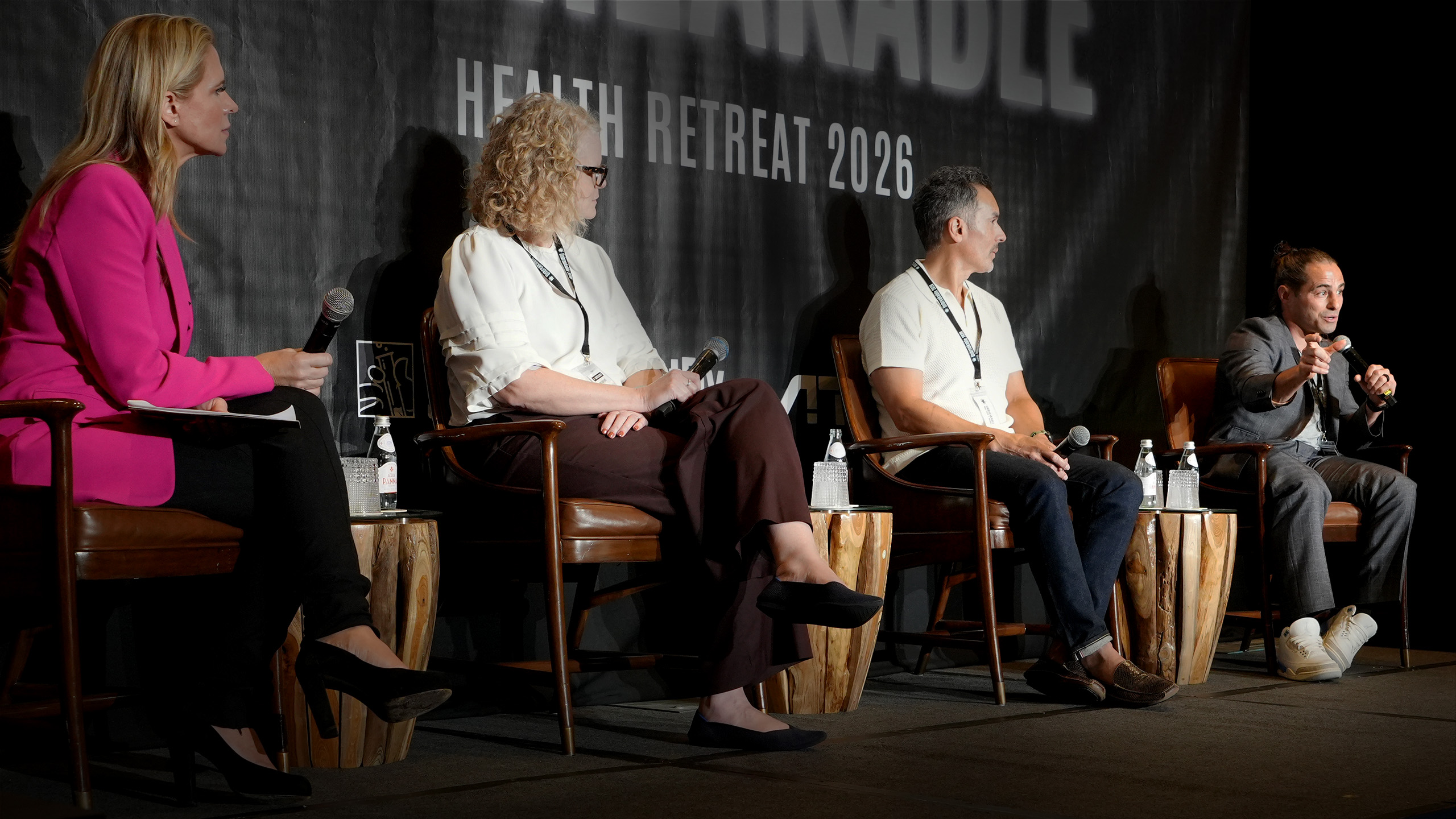
Metabolic health, medical education, and the case for bringing clinicians and coaches together
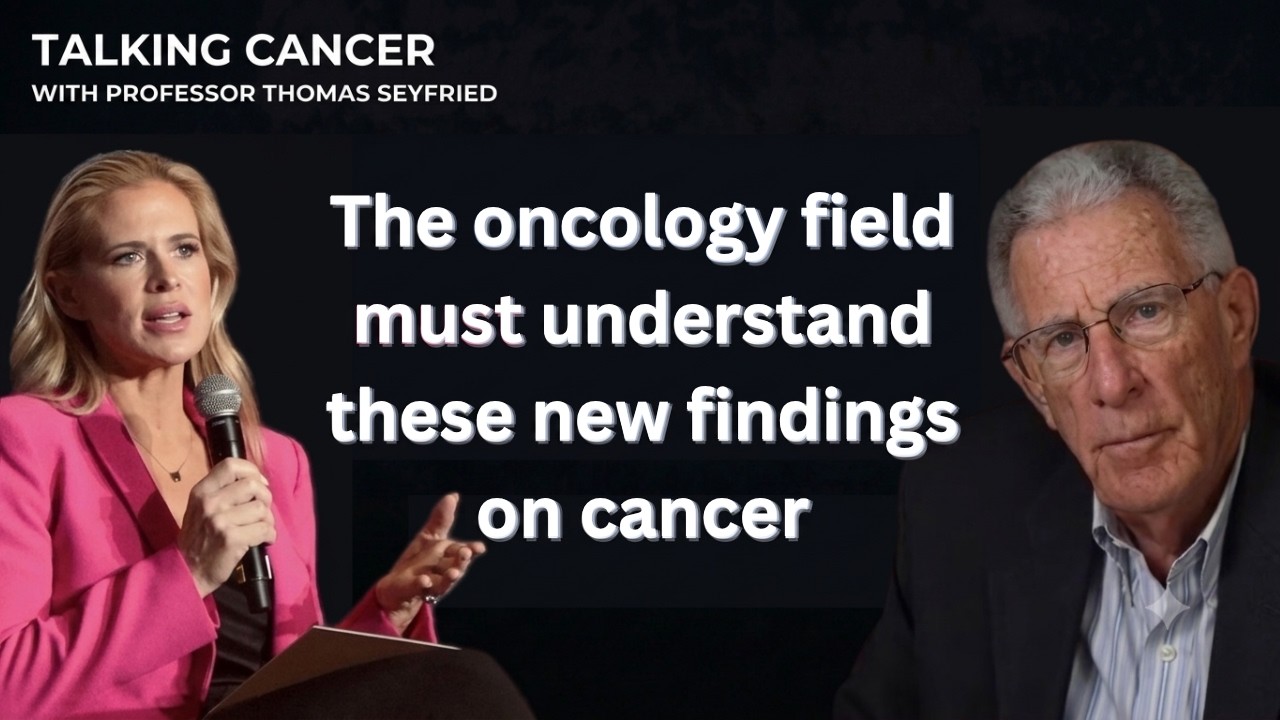
Metabolic therapies, mitochondrial dysfunction, and what’s holding back progress