


The
Daily
Fix
5 rounds for time:
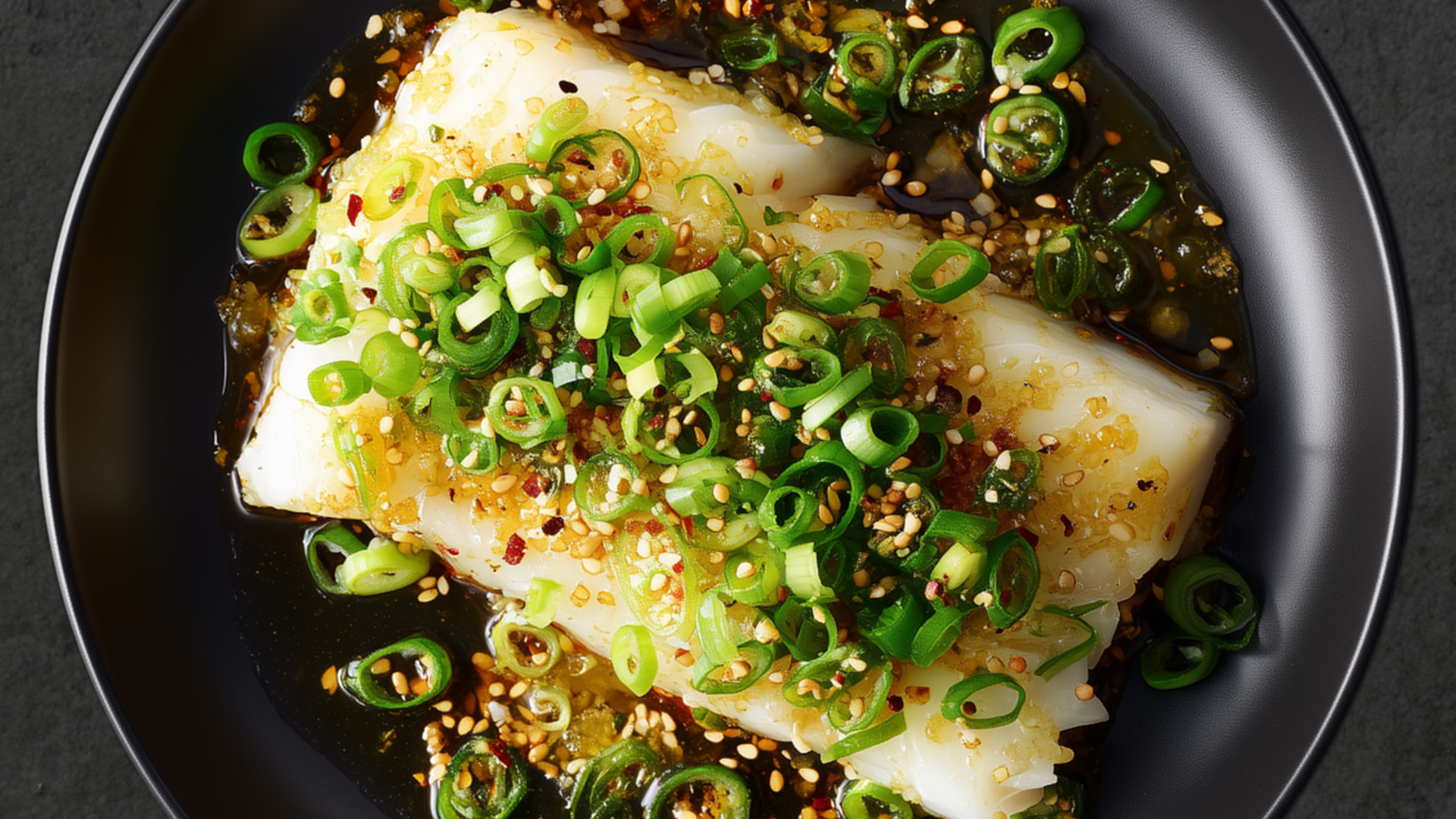
Ginger-Soy Steamed Cod
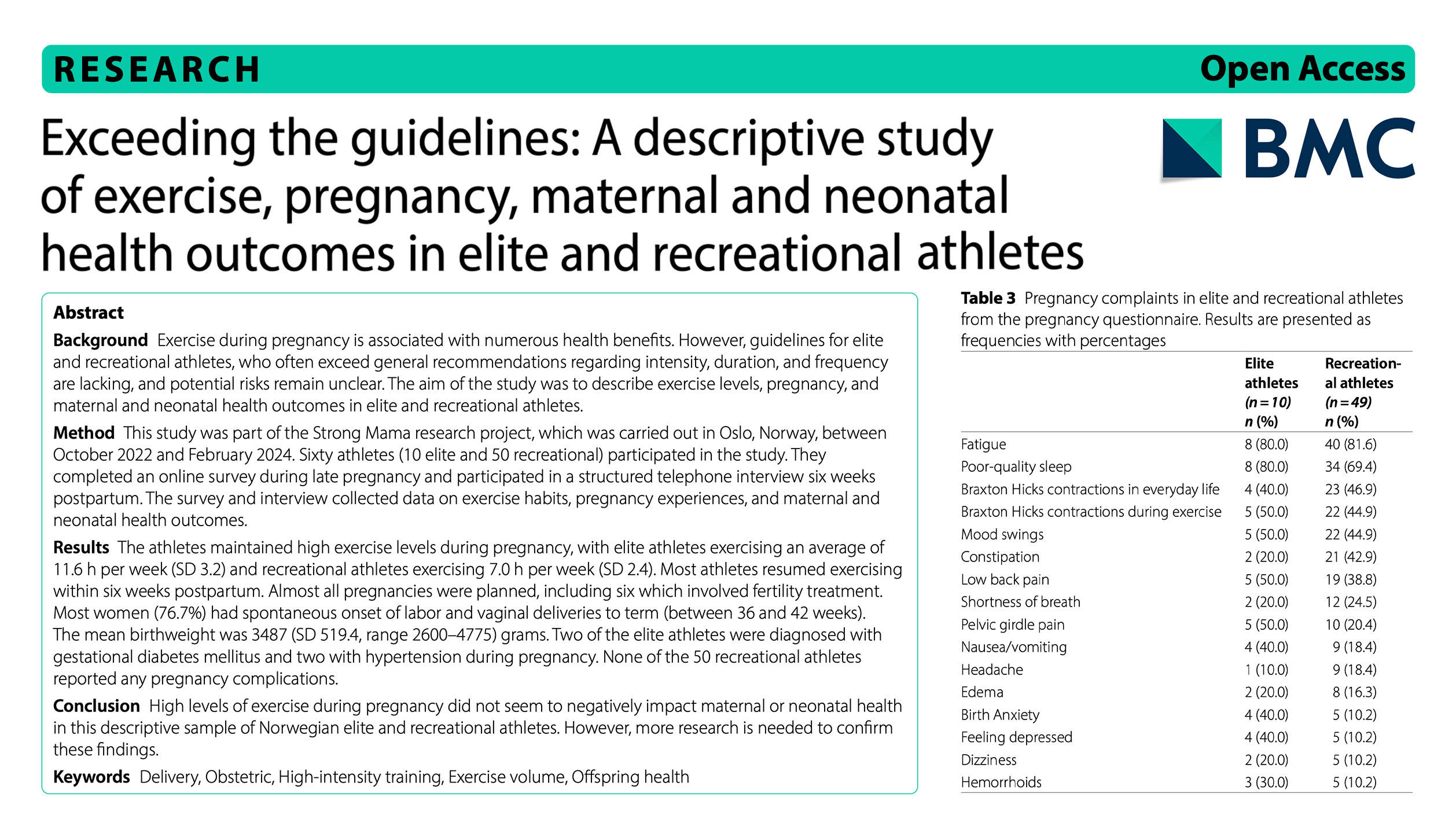
Exceeding the Guidelines: Exercise During Pregnancy in Elite and Recreational Athletes
Run 800 meters
40 box jumps
Delicate cod fillets gently steamed with fresh ginger, garlic, and a savory soy-infused butter sauce.
High levels of exercise during pregnancy may be safer than commonly assumed.
Jump a 20” box.
Post time to comments.
Ingredients
For the Cod:
4 cod fillets (about 6 oz each)
2 Tbsp butter or tallow (for the steamer or pan)
Salt and black pepper, to taste
For the Ginger-Soy Sauce:
2 Tbsp butter
1 clove garlic, minced
1 Tbsp fresh ginger, grated
2 Tbsp coconut aminos or tamari (no sugar added)
1 Tbsp lime juice
1 tsp sesame seeds (optional, for garnish)
2 green onions, thinly sliced (for garnish)
Macronutrients
(per serving, serves 4)
Protein: 34g
Fat: 20g
Carbs: 3g
Preparation
Season cod fillets lightly with salt and black pepper.
Prepare a steamer or a large skillet with a fitted lid. Add about 1 inch of water and bring to a gentle simmer.
Grease the steamer basket or skillet surface with butter or tallow, then place the cod fillets in a single layer.
Cover and steam for 6–8 minutes, or until the fish is opaque and flakes easily with a fork. Remove and set aside.
While the cod steams, melt 2 Tbsp butter in a small saucepan over medium heat. Add minced garlic and grated ginger, cooking 1–2 minutes until fragrant.
Stir in coconut aminos and lime juice, whisking until smooth and slightly reduced, about 2 minutes.
Spoon the warm ginger-soy butter sauce over the steamed cod.
Garnish with sliced green onions and sesame seeds, then serve immediately — excellent with sautéed bok choy or cauliflower rice.
This study examined pregnancy and birth outcomes in 60 Norwegian athletes—10 elite and 50 highly active recreational women—who exercised well above standard pregnancy guidelines. The athletes maintained high training volumes during pregnancy, averaging about 11.6 hours per week for elite athletes and 7 hours for recreational athletes, including endurance and resistance training. Most pregnancies resulted in full-term vaginal births with healthy birth weights, and researchers found no clear evidence that high exercise levels negatively affected maternal or neonatal health outcomes.
While a few elite athletes developed conditions such as gestational diabetes or hypertension, overall complication rates were low and birth outcomes were similar to those seen in the general population. Babies were born at normal gestational ages and weights, and no infants had low birth weight. Although the study was small and merely observational, it suggests that for women who are already highly trained, continuing relatively high levels of exercise during pregnancy—including some high-intensity training—may not carry the risks often assumed.




MONDAY 260406