
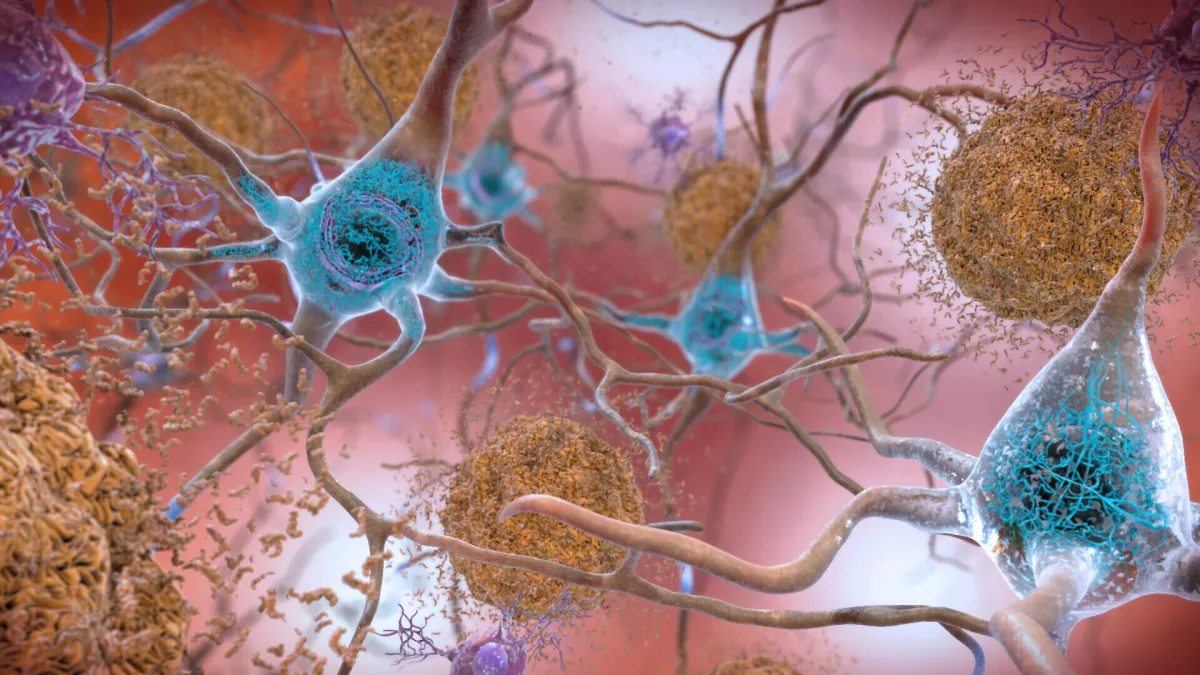
The Food and Drug Administration’s recent approval of new Alzheimer’s drugs sparked a flicker of hope for the millions affected by this devastating disease. But this progress casts a puzzling shadow.
The drugs come at a high cost for relatively limited benefits, offering only a brief respite in the pace of cognitive decline. This reality raises a question: Are we fixated on such marginally effective treatments at the expense of more promising preventive measures?

Let's start with the truth!

Support the Broken Science Initiative.
Subscribe today →
recent posts
Cancer as a metabolic disease—and the case against the somatic mutation theory
Metabolic health, medical education, and the case for bringing clinicians and coaches together
Metabolic therapies, mitochondrial dysfunction, and what’s holding back progress