Category: Video
Category: Video

On his podcast, Emily and Dr. Drew talked at length about the overuse of statins to treat coronary heart disease.
By Emily Kaplan
In this presentation from 2019, Greg Glassman tells the story of how bad science, primarily in the form of corruption, led him to make business decisions to fight to protect his affiliate gyms.

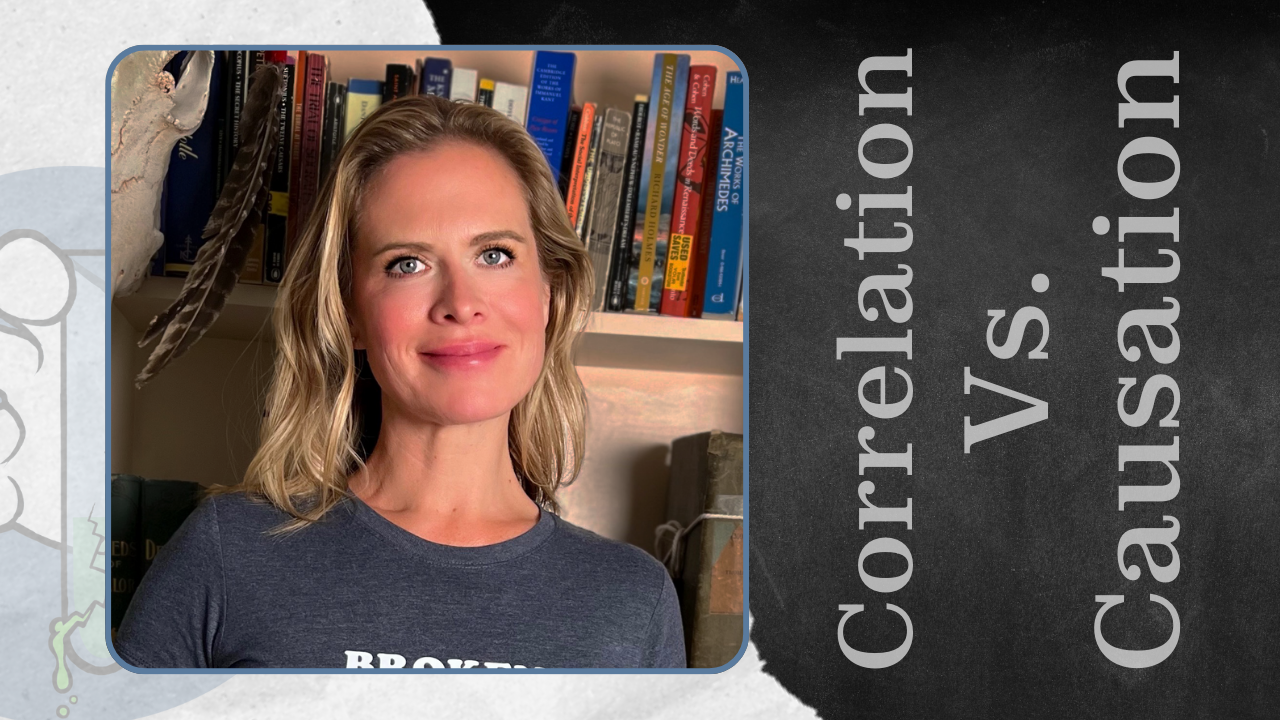
Emily explains the strengths, weaknesses, and ways to interpret observational studies. These types of studies can be useful for identifying links between things, and then generating hypotheses. However, the results of any observational study are strictly corollary, and do not prove cause.
By Emily Kaplan-
In this next video, BSI's Emily Kaplan explains all-cause mortality, and how it should be included when considering any medical treatment.
By Emily Kaplan -
In this video, Emily explains how to understand medical tests. She dives into both sensitivity and specificity of testing.
By Emily Kaplan -
In this next part, Emily breaks down the difference between induction and deduction.
By Emily Kaplan 
This class is designed to help you chart your own course; it will identify major problems with modern medicine and give you tools to manage those shortcomings. Through education you can better protect yourself against these common pitfalls and lead your way to the best outcomes possible.
-
In this second installment, BSI's Emily Kaplan breaks down the difference between corollary studies and causal studies. Corollary studies can show relationships between data sets, they do not establish cause.
By Emily Kaplan -
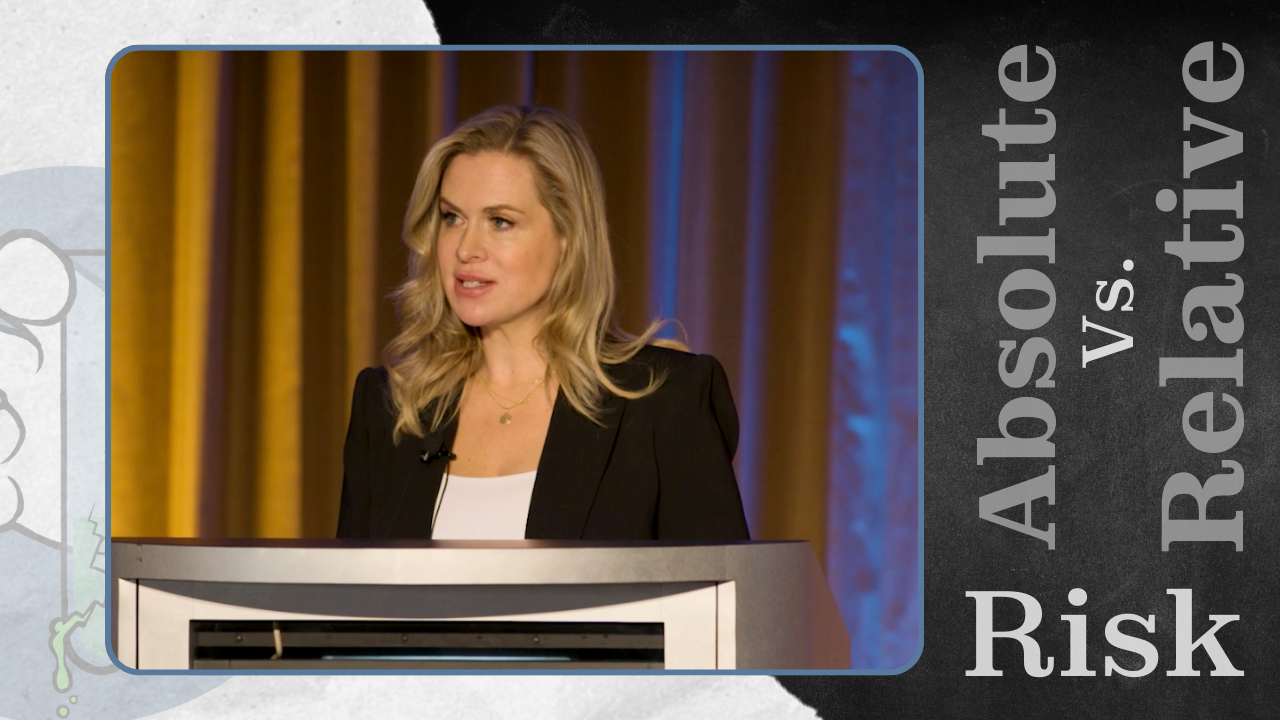
BSI’s Emily Kaplan explains the difference between absolute risk and relative risk, using a fictitious example to illustrate how results can be made to sound profound, when they really aren’t.
By Emily Kaplan