
Emily explains the strengths, weaknesses, and ways to interpret observational studies. These types of studies can be useful for identifying links between things, and then generating hypotheses. However, the results of any observational study are strictly corollary, and do not prove cause.
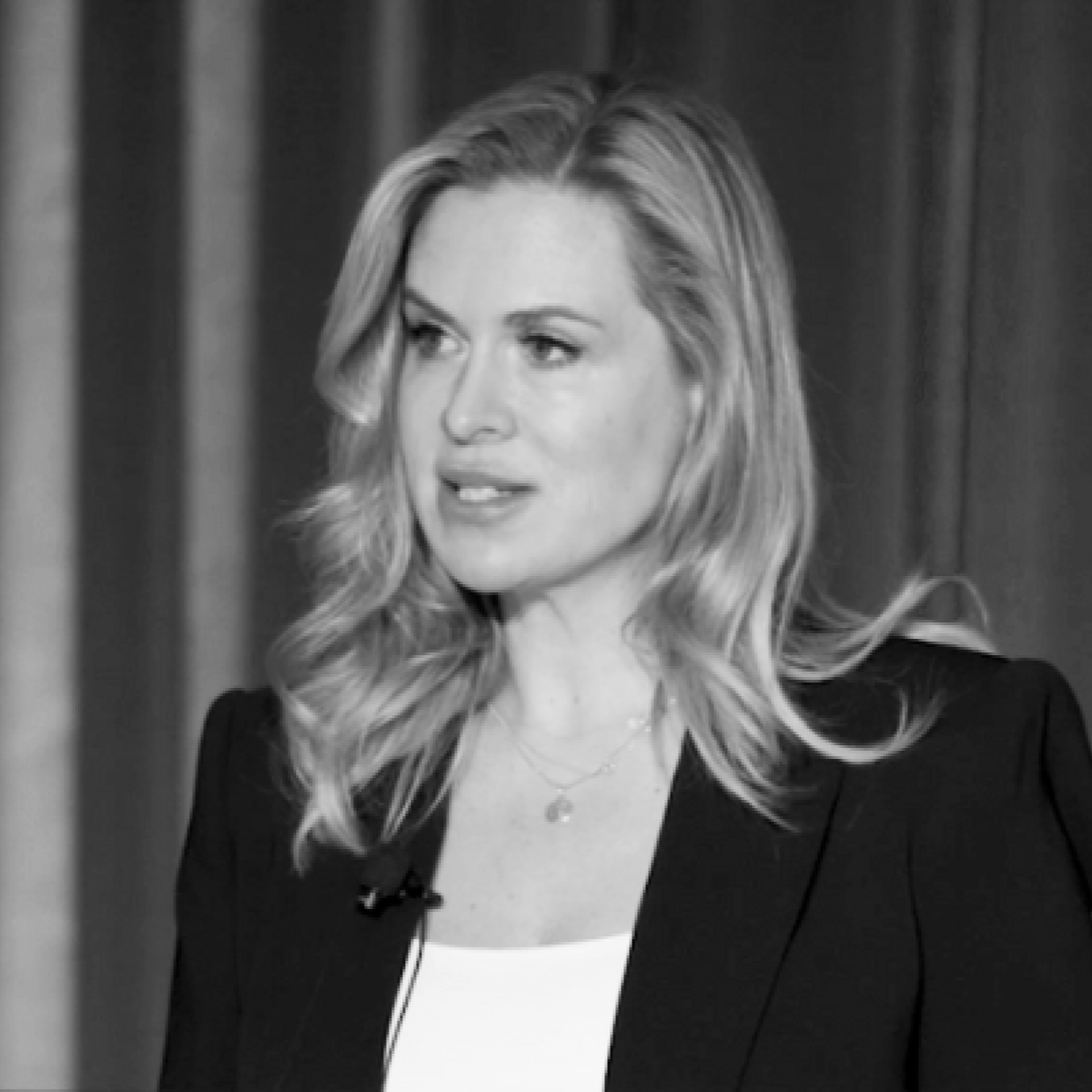
Emily Kaplan is an expert in strategy and communication. As the CEO and Co-founder of The Broken Science Initiative, she is building a platform to educate people on the systemic failings in science, education and health while offering an alternative approach based in probability theory. As the principal at The Kleio Group, Emily works with high profile companies, celebrities, entrepreneurs, politicians and scientists who face strategic communication challenges or find themselves in a crisis.
Emily’s work as a business leader includes time spent working with large Arab conglomerates in the GCC region of the Middle East looking to partner with American interests. Emily acquired Prep Cosmetics, expanded it to become a national chain and revolutionized the way women bought beauty products by offering novel online shopping experiences, which are now the industry standard. She was a partner in a dating app that used the new technology of geolocation to help interested parties meet up in real life. Emily developed Prime Fitness and Nutrition, a women’s health concept that focused on the fitness and diet needs of women as they age, with three physical locations. She was the host of the Empowered Health Podcast, and wrote a column in Boston Magazine by the same name, both of which focused on sex differences in medicine.
Emily is an award winning journalist who has written for national newspapers, magazines and produced for ABC News’ 20/20, Primetime and Good Morning America. She is the author of two business advice books published by HarperCollins Leadership. Emily studied Advanced Negotiation and Mediation at Harvard Law School. She has a Masters of Science from Northwestern University and received a BA in history and psychology from Smith College.

Support the Broken Science Initiative.
Subscribe today →
recent posts

Metabolic health, medical education, and the case for bringing clinicians and coaches together
At the 2026 Unbreakable Health Retreat in Miami, Emily Kaplan hosted a panel with Bob Kaplan, Professor Thomas Seyfried, and Dr. Derek Lee on what it means to treat cancer as a metabolic disease. They discussed the glucose-ketone index (GKI), nutritional ketosis, and strategies aimed at restricting the fuels cancer cells depend on while considering how metabolic therapy can fit alongside standard cancer treatment.
The conversation also addressed the practical realities patients face when trying to pursue a metabolic approach within the conventional oncology system, including questions about nutrition, repurposed drugs, inherited cancer risk, and how to evaluate different treatment options. Seyfried and Lee connected these clinical questions back to mitochondrial dysfunction, fermentation, and the metabolic vulnerabilities that may offer additional targets for cancer treatment.
An abbreviated version of this discussion is available here, for free.
At the 2026 Unbreakable Health Retreat in Miami, Professor Thomas Seyfried presented the case that cancer is fundamentally a mitochondrial metabolic disease rather than primarily a genetic one. He contrasts the dominant somatic mutation theory with a metabolic model in which impaired mitochondrial respiration drives a shift toward fermentation, dysregulated cell growth, and the mutations commonly associated with cancer.
Citing the work of Otto Warburg and research from his lab at Boston College, Seyfried explains how cancer cells rely heavily on fermentable fuels—particularly glucose and glutamine—and why mitochondrial dysfunction sits upstream of many of the genetic abnormalities seen in tumors. He also discusses reactive oxygen species, altered cellular signaling, and the role of mitochondria in regulating cell growth and behavior.
The presentation then turns to the therapeutic implications of this model. Seyfried explains strategies aimed at placing tumor cells under metabolic stress by restricting the fuels they depend on, including ketogenic metabolic therapy and approaches targeting glucose and glutamine. For Seyfried, the therapeutic target follows directly from the biology: restrict the fuels cancer cells depend on, exploit their metabolic weaknesses, and treat mitochondrial dysfunction as the central feature of the disease.
An abbreviated version of this discussion is available here, for free.
MetFix and BSI Members can view the full 54-minute video.


