



The
Daily
Fix

260209

MONDAY 260209
3 2 0

For load:

Peruvian Pollo a la Brasa

Regulation and function of the mammalian tricarboxylic acid cycle

Article Heading Photo
Photo of Peruvian Pollo a la Brasa

Deadlift 3-3-3-3-3-3-3 reps

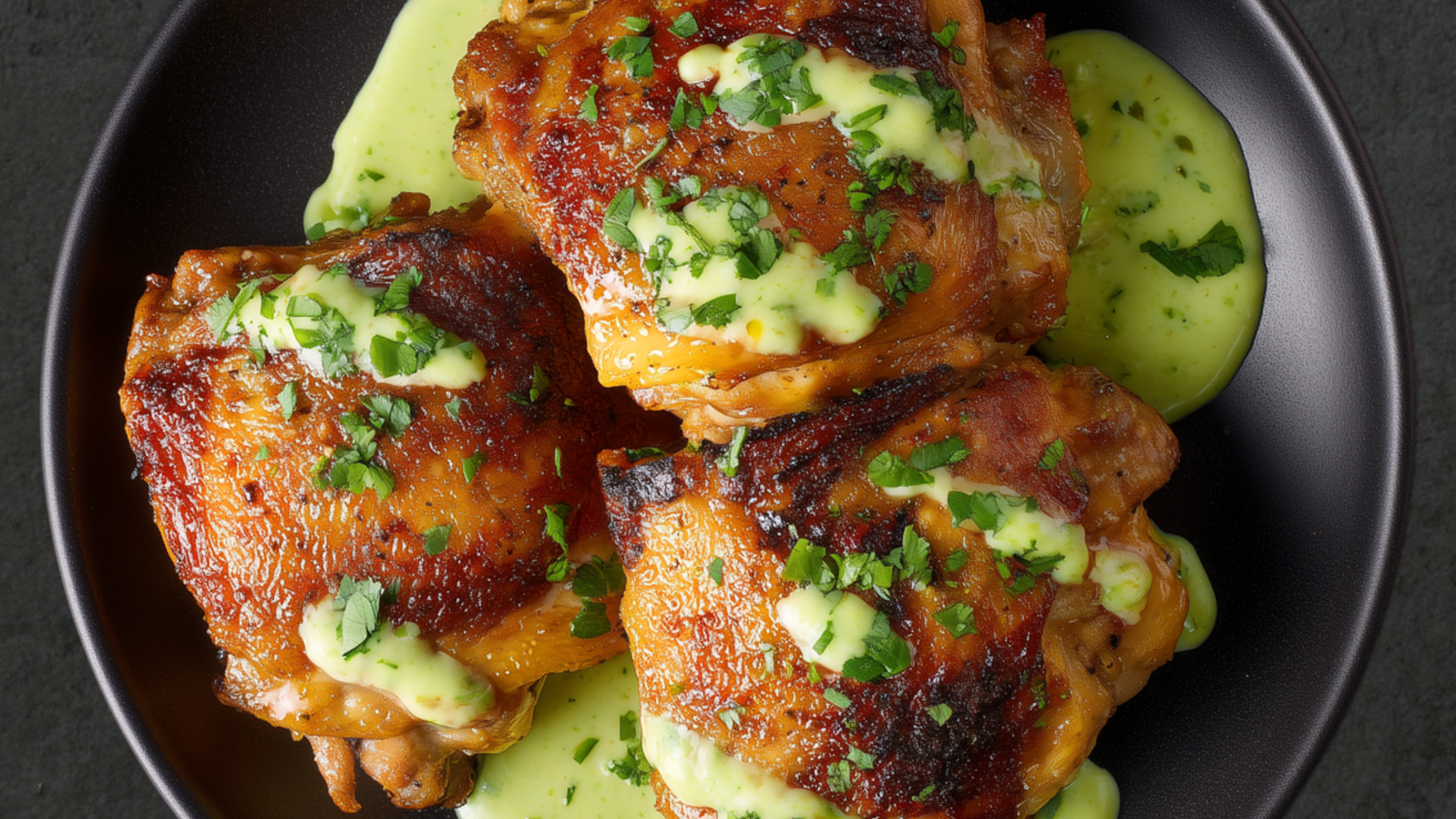
Marinated chicken thighs with smoky Peruvian spices and served with a creamy, zesty avocado-lime sauce.
Why the Krebs (citric acid) cycle is a regulatory hub, not just an engine

Tab Photo

The
Daily
Fix

Photo of Peruvian Pollo a la Brasa Article Heading Photo

Additionally, practice handstands for 20 minutes.

Post loads to comments.

Ingredients

For the Chicken Marinade:
4 bone-in, skin-on chicken thighs (about 6 oz each)
1 Tbsp olive oil
1 Tbsp lime juice
1 tsp smoked paprika
1 tsp ground cumin
1 tsp garlic powder
½ tsp dried oregano
¼ tsp black pepper
¼ tsp cayenne (optional, for heat)
1 tsp salt

For the Avocado-Lime Sauce:
½ ripe avocado
2 Tbsp avocado mayo or full-fat sour cream
1 Tbsp lime juice
1 clove garlic
1 Tbsp fresh cilantro
Salt and pepper, to taste
1–2 tsp water, to thin as needed

Macronutrients
(per thigh, makes 4)

Protein: 32g
Fat: 28g
Carbs: 3g

Preparation

Marinate the chicken: In a bowl, whisk together olive oil, lime juice, smoked paprika, cumin, garlic powder, dried oregano, cayenne pepper, salt, and pepper. Rub all over the chicken thighs and marinate for at least 1 hour (or overnight for best flavor).

Preheat oven to 425°F (220°C). Place chicken skin-side up on a rack over a baking sheet. Roast for 30–35 minutes until skin is crisp and internal temp reaches 165°F. For extra crispness, broil for 2–3 minutes at the end.

Make the avocado-lime sauce: Combine avocado, avocado mayo, lime juice, garlic, cilantro, salt, and pepper. Blend all sauce ingredients in a small food processor until smooth. Add water 1 tsp at a time until pourable. Season to taste.

Serve: Plate chicken with a dollop of avocado-lime sauce. Serve alongside sautéed greens or cauliflower rice.

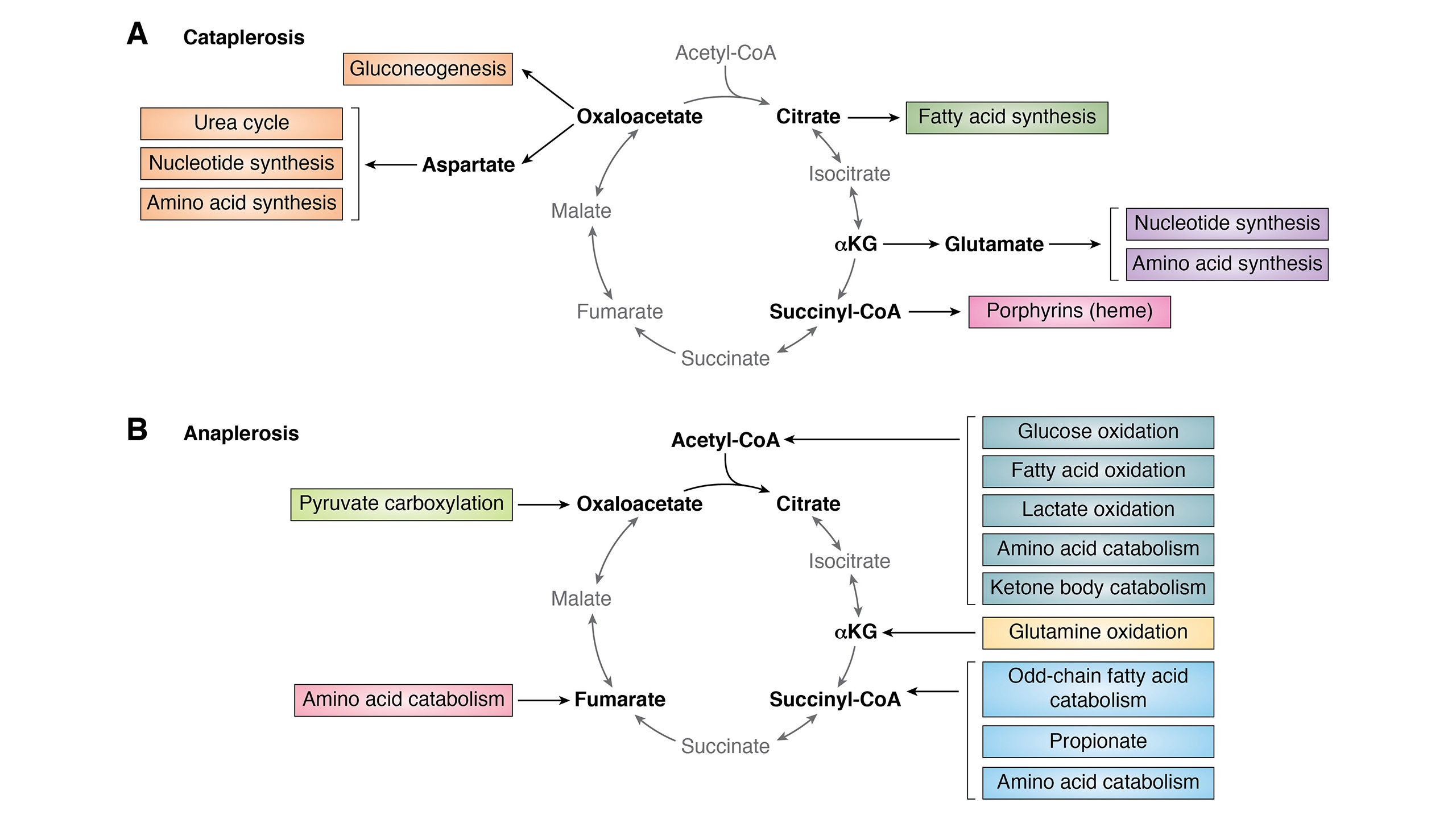
This paper is a narrative review of the mammalian tricarboxylic acid (TCA) cycle—also known as the Krebs cycle or citric acid cycle—integrating classical biochemistry with modern insights from cell biology, immunology, and cancer research. Rather than portraying the TCA cycle as a simple, linear pathway for ATP production, the authors show it functions as a highly regulated and adaptable metabolic network. TCA intermediates such as citrate, α-ketoglutarate, succinate, fumarate, and acetyl-CoA act as signaling molecules that directly influence gene expression, epigenetic regulation, immune responses, stem cell differentiation, and tumor behavior. The review highlights how changes in substrate availability, redox state, and mitochondrial flux can reprogram cellular function well before overt disease appears. Overall, the paper reframes the TCA cycle as a central control system linking nutrient status to cell fate, positioning mitochondrial metabolism as a causal driver of physiology and pathology—not merely a downstream reflection of it.

Read the article

COMMENTS

3 COMMENTS 0 COMMENTS 2 COMMENTS SHARE LOGIN PRINT
Ethan Rush February 09, 2026 | 11:01 EST
185 - 205 - 225 - 245 - 265 - 275 - 280 (2 + 1f)
troybruun February 11, 2026 | 19:53 EST
185-195-205-215-225-235-245
Craig Collins February 12, 2026 | 12:21 EST
sub:
trap bar deads
230-245-255-265-275-285-295#
RACHEL STEADMAN February 16, 2026 | 14:11 EST
Edited
Loved the marinade on the chicken, we left it overnight and the flavours were outstanding. It paired perfectly with the sauce. We had it with cauliflower rice with extra onion & garlic seasonings.
RACHEL STEADMAN March 02, 2026 | 13:44 EST
Temperature conversion 165ºF / 74ºC
Log In to leave a comment - Log In?
Go to Top