




Sushi Bake with Cauliflower Rice
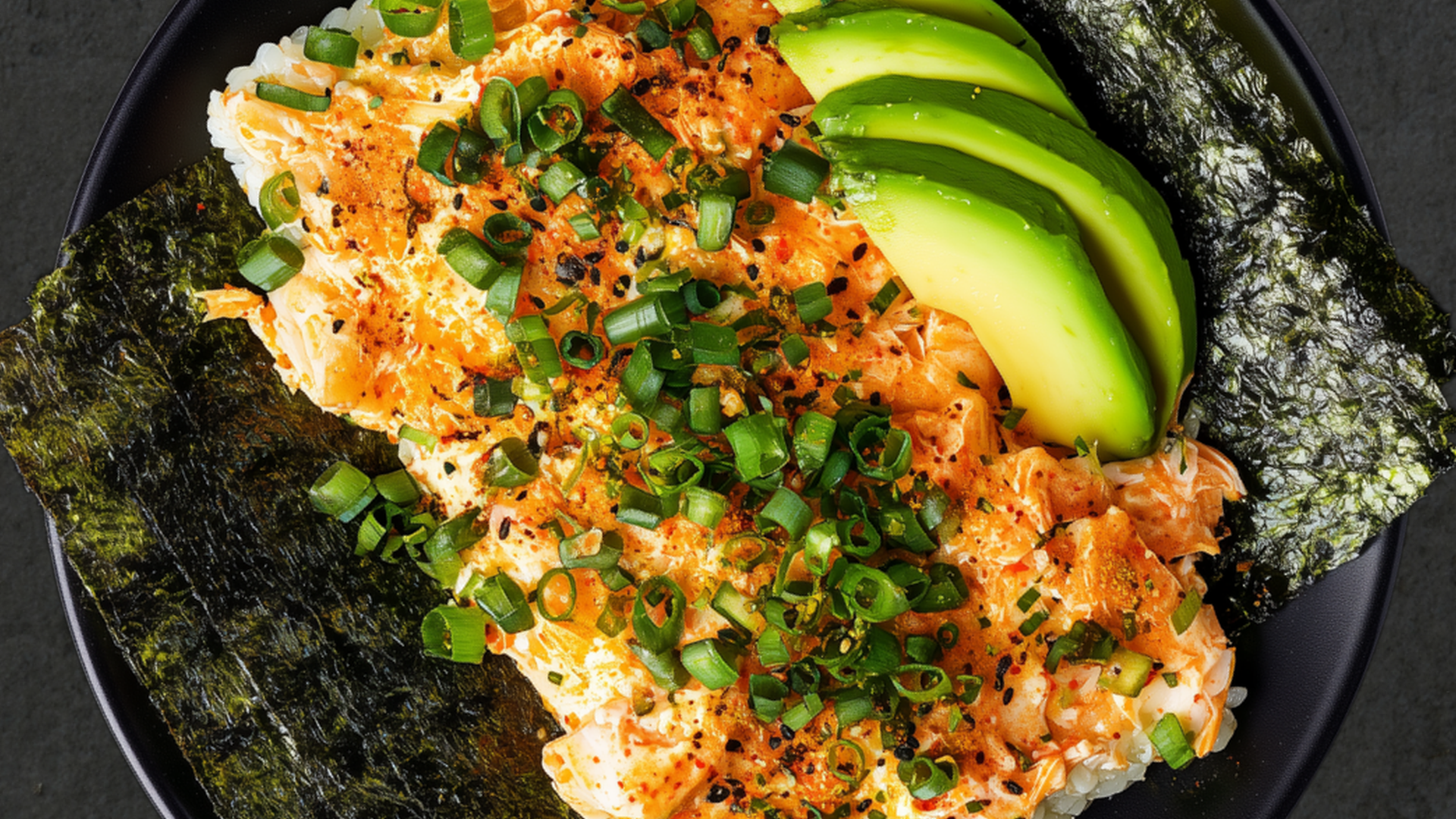
A baked casserole twist on sushi rolls made with seasoned cauliflower rice, creamy salmon and crab mix, and savory toppings.
Ingredients
For the Base:
4 cups cauliflower rice (fresh or frozen)
2 Tbsp rice vinegar (or apple cider vinegar)
1 Tbsp sesame oil
1 tsp salt
For the Topping:
8 oz cooked salmon, flaked
8 oz imitation crab or real crab, shredded
½ cup mayonnaise
2 Tbsp cream cheese, softened
1 Tbsp sriracha (optional for spice)
2 green onions, thinly sliced
1 Tbsp soy sauce or coconut aminos
For Baking & Garnish:
1 Tbsp butter or tallow (for greasing dish)
2 Tbsp furikake seasoning (or sesame seeds + nori flakes)
Extra green onions, chopped
Sliced avocado or cucumber (optional)
Nori sheets, for serving
Macronutrients
(per serving, makes 6)
Protein: 25g
Fat: 23g
Carbs: 6g
Preparation
Cook cauliflower rice in a skillet over medium heat for 5–6 minutes until moisture evaporates. Remove from heat, then stir in rice vinegar, sesame oil, and salt. Spread evenly into a greased 9x9-inch baking dish.
In a bowl, combine salmon, crab, mayo, cream cheese, sriracha, green onions, and soy sauce. Mix until creamy.
Spread topping mixture evenly over the cauliflower rice. Sprinkle with furikake.
Preheat oven to 375°F. Bake uncovered for 20 minutes, until hot and slightly golden on top.
Garnish with extra green onions, avocado, or cucumber. Scoop portions with a spoon and serve with nori sheets for wrapping.



SUNDAY 260301