


The
Daily
Fix
Rest
Egg & Chive Butter Pancake
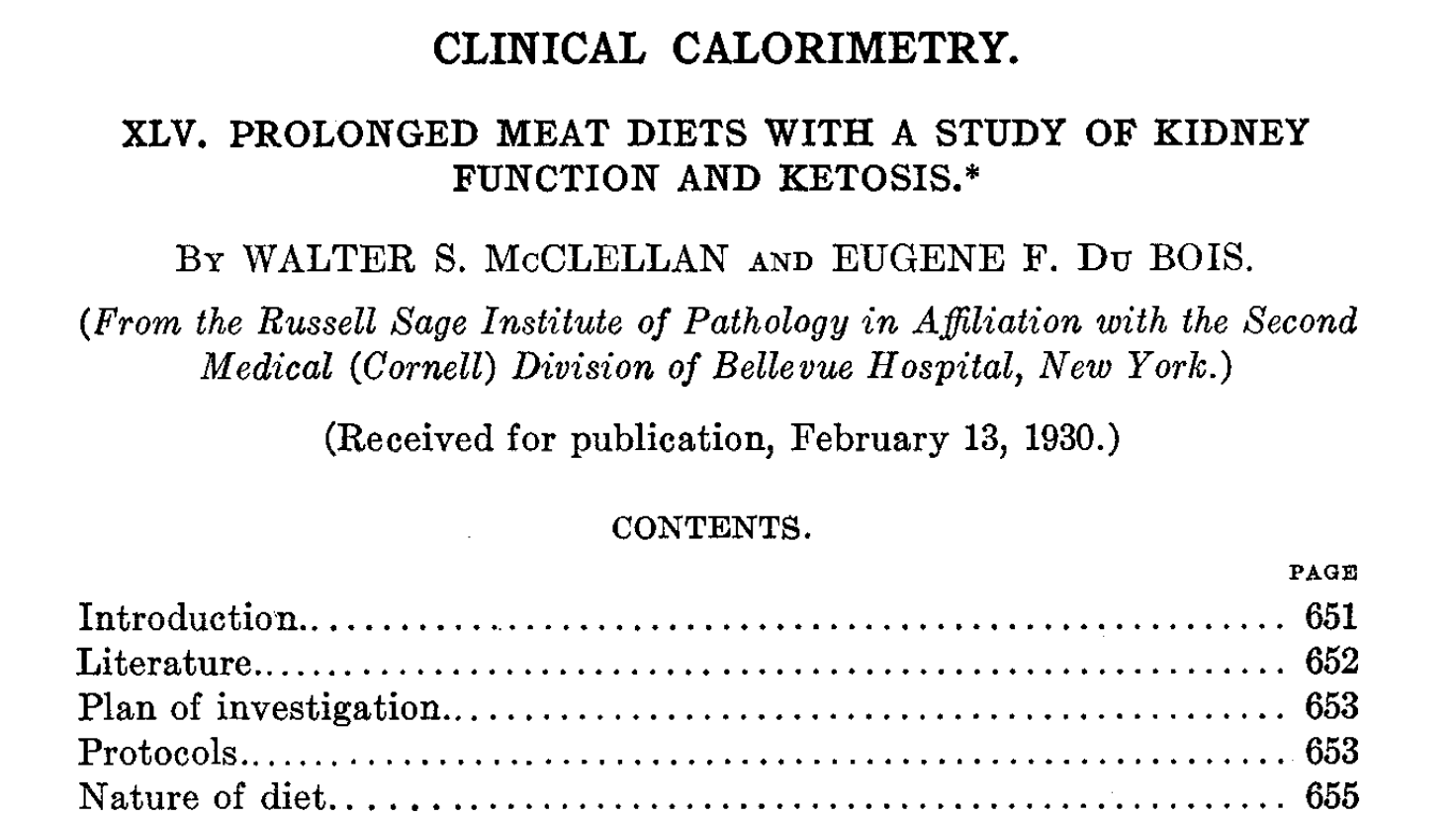
Prolonged Meat Diets with a Study of Kidney Function and Ketosis

Rest day
A soft, savory pancake made with eggs, butter, and fresh chives.
A 1930 one-year metabolic ward study of exclusive meat consumption
Enjoy the recovery time, or make-up anything you missed from last week.
Ingredients
4 large eggs
2 Tbsp butter or tallow (for cooking)
2 Tbsp heavy cream
2 Tbsp chopped fresh chives
Salt and black pepper, to taste
1 Tbsp additional butter (for serving, optional)
Macronutrients
(per serving, serves 2)
Protein: 15g
Fat: 29g
Carbs: 2g
Preparation
Crack eggs into a bowl, add heavy cream, salt, and black pepper, and whisk until smooth and slightly frothy.
Stir in the chopped chives until evenly distributed.
Heat butter or tallow in a nonstick skillet over medium heat until melted and bubbling lightly.
Pour the egg mixture into the skillet and swirl gently to coat the surface evenly.
Cook undisturbed for 2–3 minutes until the edges begin to set, then reduce heat to low and cover. Cook for another 2–3 minutes until the center is just firm and slightly puffed.
Slide the pancake onto a plate, top with a pat of butter if desired, and sprinkle with extra chives.
Slice into wedges and serve warm.
In this 1930 metabolic ward study, two healthy men consumed an exclusive meat diet—primarily fat and lean animal tissue, with minimal carbohydrate—for one year under close clinical supervision. Protein intake ranged from roughly 100–140 grams per day and fat from 200–300 grams, with 75–85% of total calories derived from fat. After an initial drop in body weight due to water loss, both men maintained stable weight, normal blood pressure, and good physical and mental function throughout the year.
Persistent mild ketosis developed, urine acidity increased, and blood lipids rose during higher fat intake, but no clinical signs of vitamin deficiency or kidney damage were observed. Kidney function tests, nitrogen balance studies, and routine clinical exams remained within normal limits. The authors concluded that, in these carefully monitored subjects, a year-long all-meat diet did not produce measurable adverse health effects, including no detectable impairment of kidney function.




SUNDAY 260308