



The
Daily
Fix

260320

FRIDAY 260320
3 0 0

For load:

Chicken Fried Steak

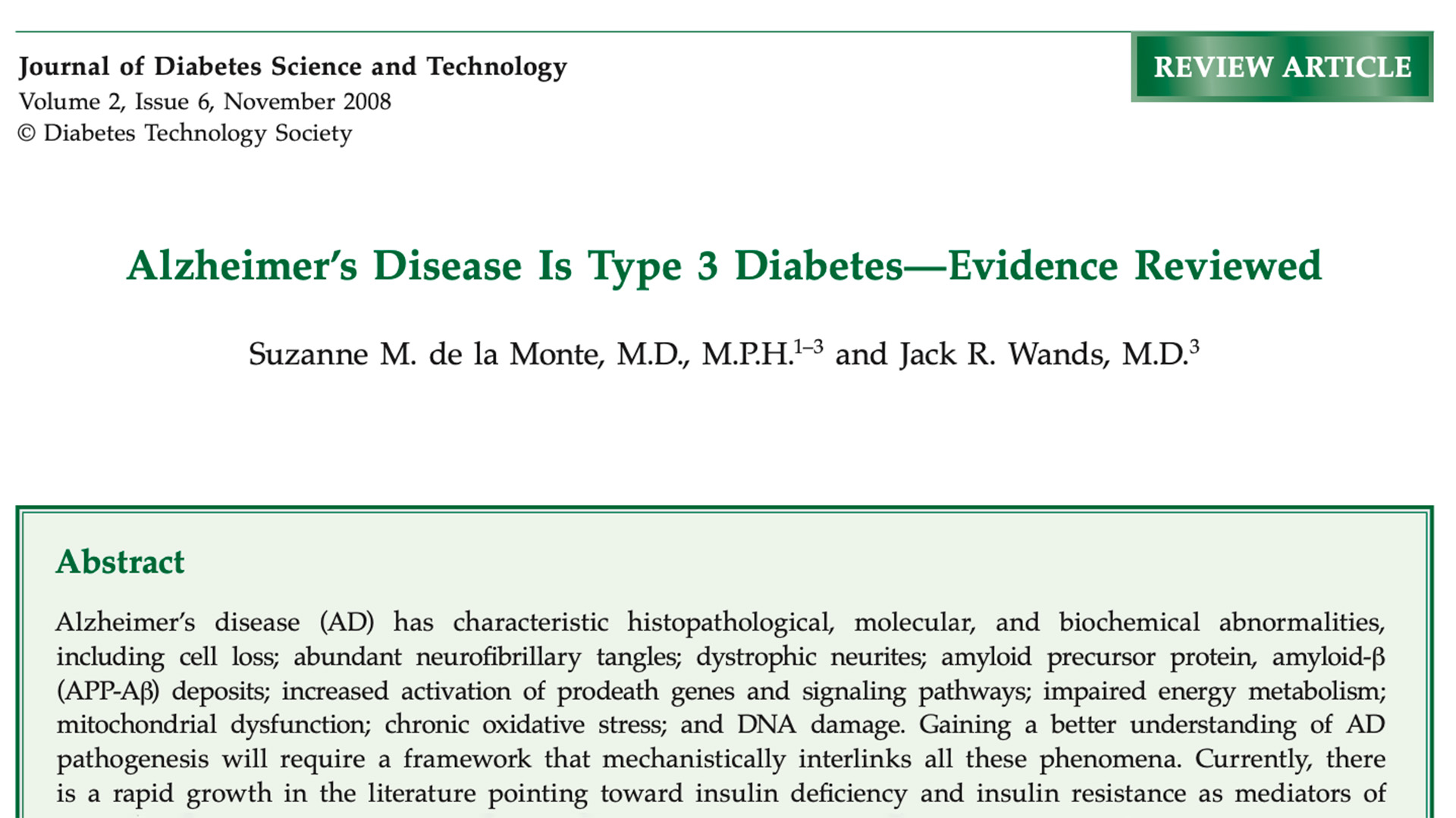
Alzheimer's Disease Is Type 3 Diabetes

Article Heading Photo
Photo of Chicken Fried Steak

Back squat 5-5-3-3-3-1-1-1-1 reps

Breaded beef steaks fried in butter and tallow, served with a rich cream gravy.

Evidence reviewed on how impaired brain insulin signaling may link metabolic dysfunction to neurodegeneration

Tab Photo

The
Daily
Fix

Photo of Chicken Fried Steak Article Heading Photo

Attempt to increase loads for each of the 9 sets.

Additionally, practice handstand holds, walks, and pirouettes.

Post loads to comments.

Compare to 251015.

Ingredients

For the Steaks:
4 cube steaks (about 1 ½ lbs total)
2 large eggs
½ cup heavy cream
1 ½ cups crushed pork rinds (or almond flour for coating)
½ cup grated Parmesan cheese
1 tsp smoked paprika
1 tsp garlic powder
½ tsp onion powder
Salt and black pepper, to taste
3 Tbsp butter or tallow, for frying

For the Gravy:
2 Tbsp butter or tallow
2 cloves garlic, minced
1 cup heavy cream
½ cup beef broth (unsalted)
½ tsp black pepper
Salt, to taste

Optional Garnish:
Fresh parsley, chopped
Extra black pepper

Macronutrients
(per serving, serves 4)

Protein: 42g
Fat: 55g
Carbs: 3g

Preparation

In a shallow bowl, whisk eggs with heavy cream. In another bowl, combine crushed pork rinds, Parmesan, paprika, garlic powder, onion powder, salt, and pepper.

Pat steaks dry. Dip each into egg mixture, then press firmly into coating mixture, ensuring even coverage.

Heat butter or tallow in a skillet over medium heat. Fry steaks 3–4 minutes per side until golden brown and cooked through. Transfer to a paper towel–lined plate to rest.

In the same skillet, melt butter. Add garlic and cook for 1 minute. Stir in heavy cream and broth, scraping up browned bits. Simmer 3–4 minutes until thickened. Season with salt and pepper.

Plate steaks and pour cream gravy over top. Garnish with parsley and extra pepper.

This 2008 review examines the hypothesis that Alzheimer’s disease may function as a form of “type 3 diabetes,” driven by insulin resistance and impaired insulin-like growth factor (IGF) signaling in the brain. Disrupted insulin signaling is linked to many core features of Alzheimer’s, including impaired energy metabolism, oxidative stress, amyloid accumulation, and neuronal degeneration. The authors argue that while metabolic diseases such as obesity and type 2 diabetes increase dementia risk, Alzheimer’s appears to involve a distinct brain-specific metabolic dysfunction characterized by insulin deficiency and resistance within neural tissue. These findings suggest Alzheimer’s may be partly a metabolic disease of the brain, highlighting the importance of metabolic health for prevention and the potential for therapies that restore insulin signaling and metabolic function.

Read the article

COMMENTS

3 COMMENTS 0 COMMENTS 0 COMMENTS SHARE LOGIN PRINT
Ethan Rush March 20, 2026 | 09:54 EST
(5) 195 - 205
(3) 215 - 225 - 230
(1) 235 - 240 - 245 - 250
Pat McElhone March 20, 2026 | 17:08 EST
52/M/165
5x45, 135
3x165, 195, 225
1x 235, 245, 255, 265
Bryan Clark March 20, 2026 | 17:39 EST
225-255-265-280-300-315-330-340-365
Leif my weight off ! 🤣
Log In to leave a comment - Log In?
Go to Top