



The
Daily
Fix
5 rounds:
Egg Florentine
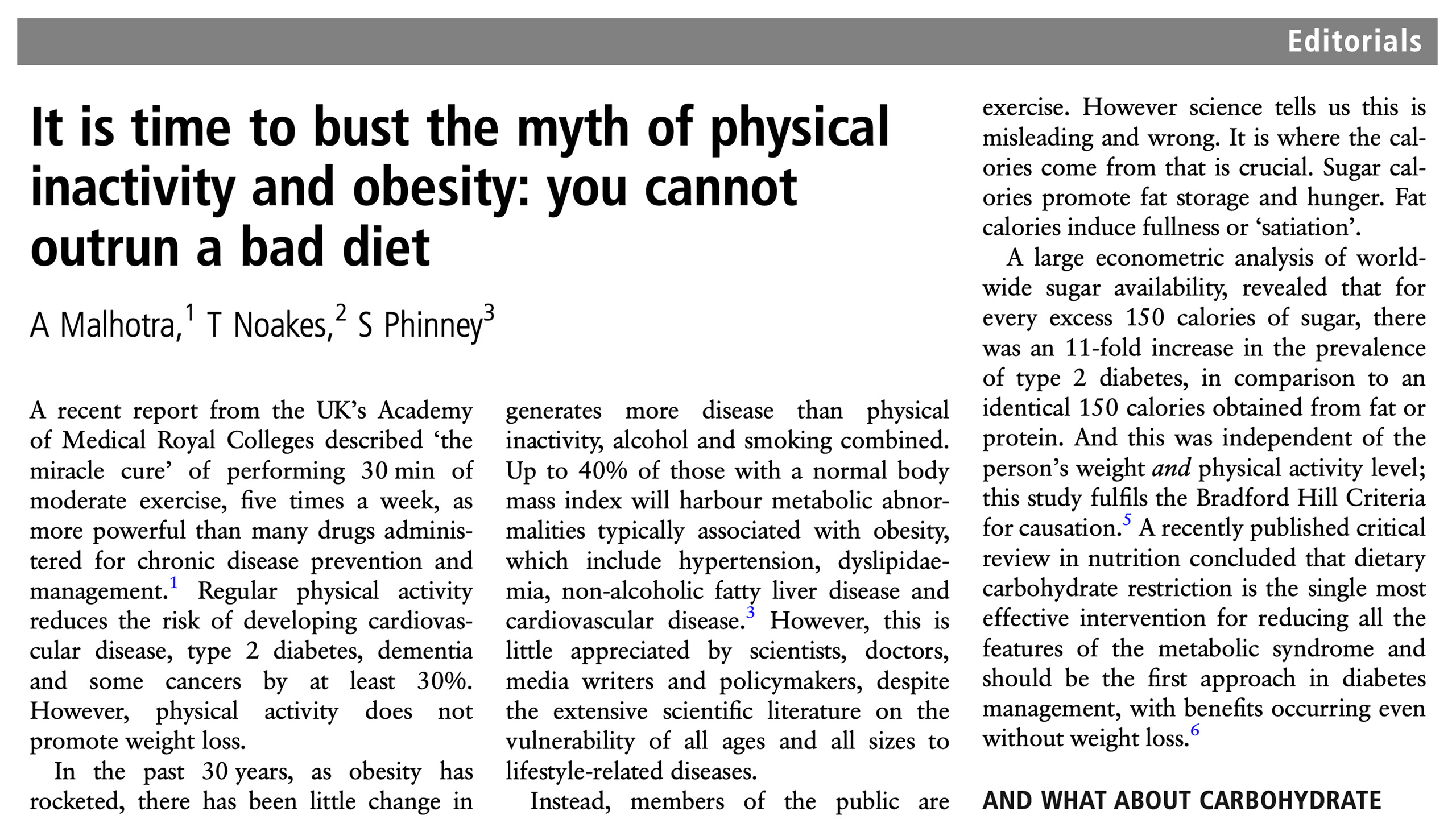
It Is Time to Bust the Myth of Physical Inactivity and Obesity
1 minute of double-unders
20 GHD sit-ups
30 squats
Soft-poached eggs over a bed of garlicky spinach, finished with creamy hollandaise.

You Cannot Outrun a Bad Diet
Note the number of double-unders completed each round. At the end, subtract the total number of double-unders from your time (in seconds) for your final score.
Post time, double-under reps, and final score to comments.
Compare to 250729.
Ingredients
For the Spinach:
1 Tbsp butter or tallow
4 cups fresh spinach
1 clove garlic, minced
Salt and pepper, to taste
For the Eggs:
4 large eggs
1 Tbsp vinegar (for poaching water)
For the Hollandaise Sauce:
3 egg yolks
½ cup melted butter
1 Tbsp lemon juice
Salt and cayenne pepper, to taste
Macronutrients
(per serving, serves 2)
Protein: 20g
Fat: 45g
Carbs: 3g
Preparation
Melt butter or tallow in a skillet and sauté garlic until fragrant. Add spinach and cook until wilted. Season with salt and pepper.
Bring water with vinegar to a simmer. Crack eggs into small bowls, then gently slide into the water. Poach 3–4 minutes and remove with a slotted spoon.
For the hollandaise, whisk egg yolks and lemon juice over gentle heat, then slowly drizzle in melted butter until thickened. Add salt and cayenne.
Divide spinach onto plates, top with poached eggs, and spoon hollandaise over each.

In this 2015 editorial, Aseem Malhotra, Tim Noakes, and Stephen Phinney argue that the obesity and metabolic disease epidemics are driven primarily by poor diet rather than lack of exercise. While physical activity provides important health benefits, they authors emphasize that it has little impact on weight loss and that rising obesity rates are more closely tied to increased consumption of sugar and refined carbohydrates. They highlight evidence linking excess sugar intake to dramatically higher rates of type 2 diabetes independent of body weight or activity level, and note that carbohydrate restriction can effectively improve markers of metabolic syndrome and diabetes. The article also rejects the long-standing emphasis on carbohydrate loading in sport, citing research showing that athletes can adapt to using fat as a primary fuel during exercise. The authors conclude that food industry marketing—particularly efforts linking sugary products to sport and exercise—has distorted public health messaging and distracted from the central role of diet quality in metabolic health.
SUNDAY 260322