



The
Daily
Fix
For load:
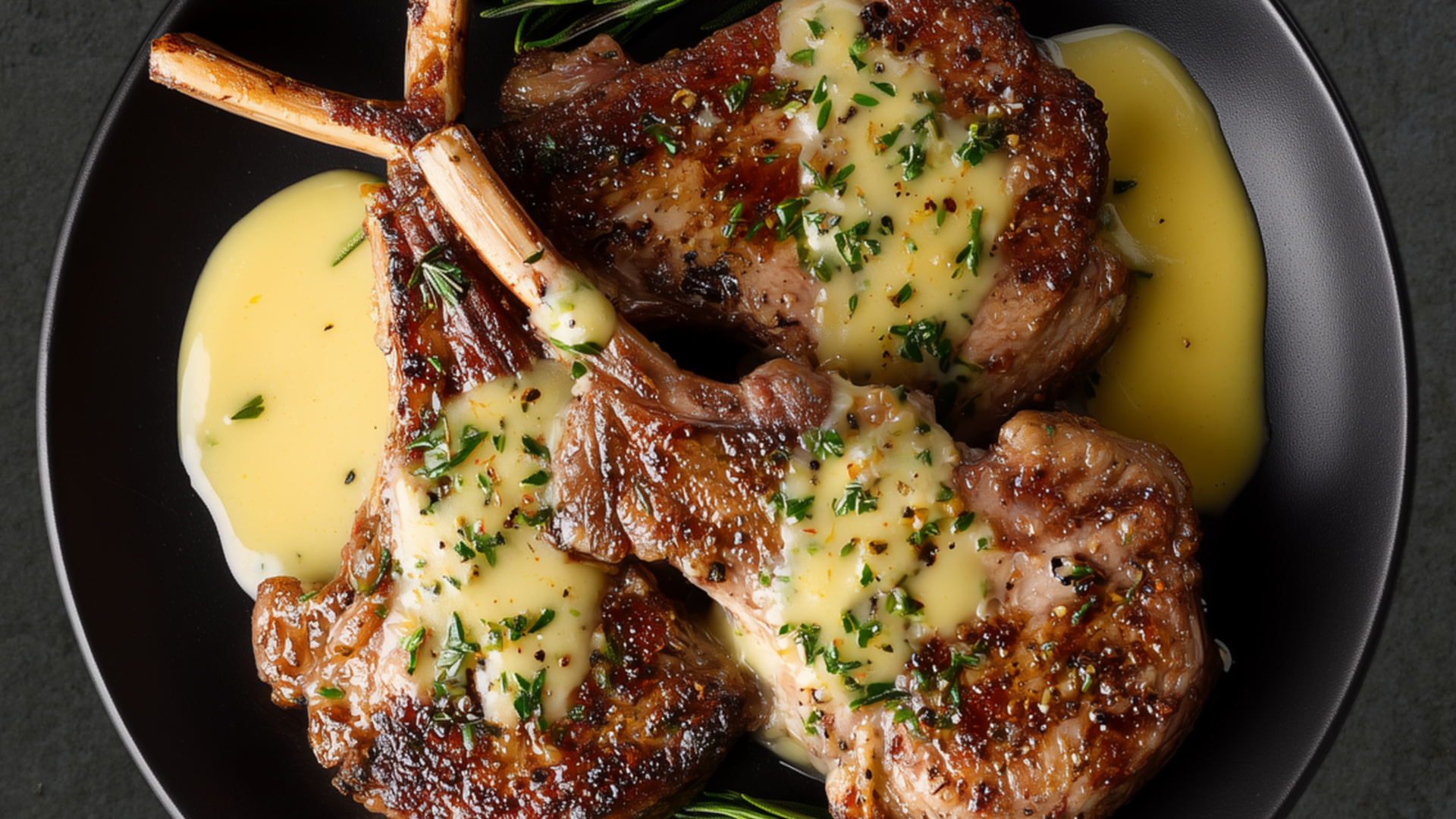
French Lamb Chops with Rosemary Beurre Blanc
Mitochondrial ROS and Fuel Choice
Weighted pull-up 5-5-3-3-3-1-1-1-1 reps
Bench press 5-5-3-3-3-1-1-1-1 reps
Pan-seared lamb chops served with a silky, buttery rosemary beurre blanc — a luxurious, high-fat meal bursting with French flavor.
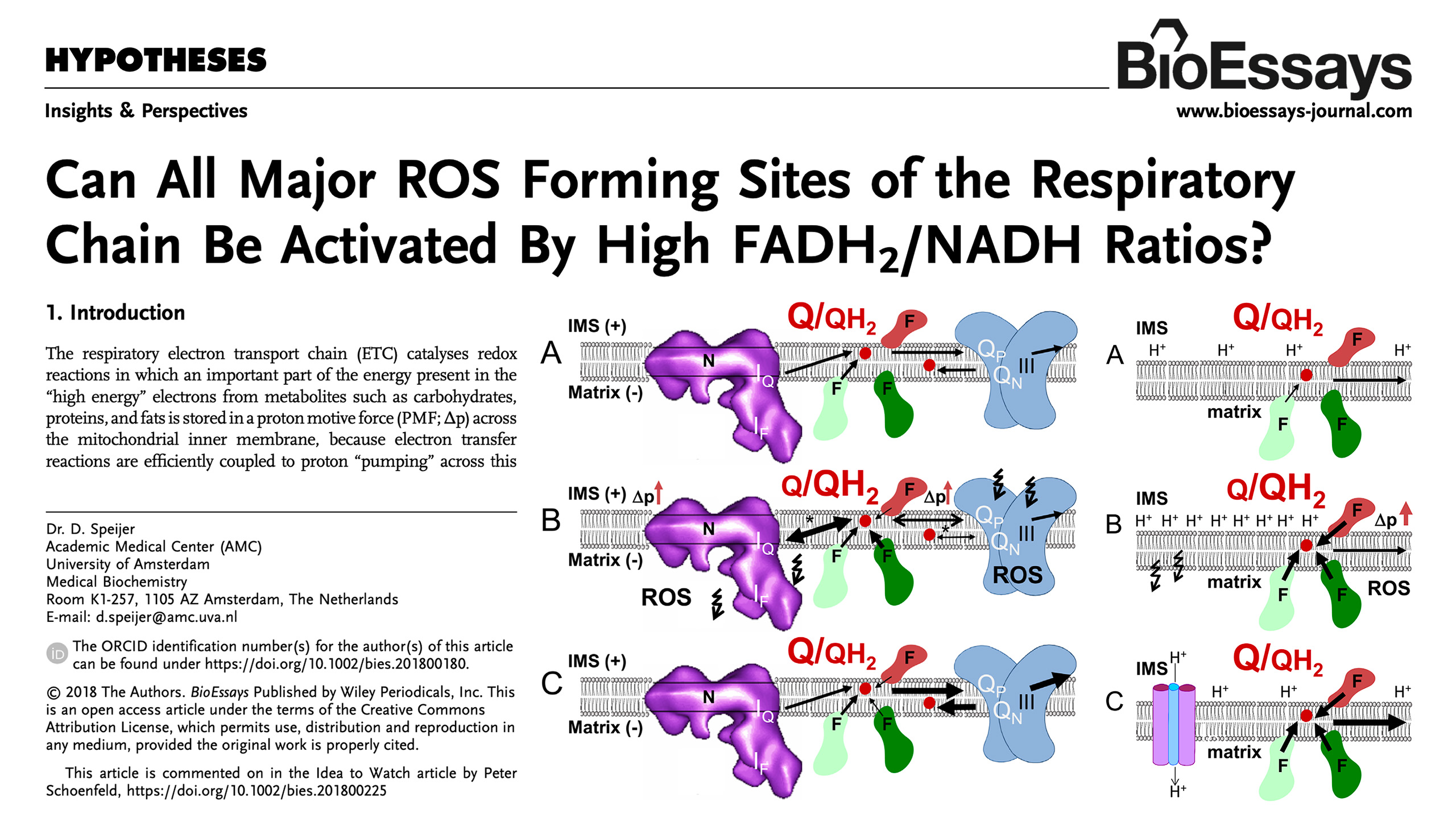
How the type of food or fuel entering mitochondria can influence reactive oxygen species formation.
Attempt to increase loads for each of the sets.
Post loads to comments.
Ingredients
For the Lamb Chops:
8 small lamb chops (about 1½ lbs total)
1 Tbsp butter or tallow (for searing)
1 tsp fresh rosemary, chopped
Salt and black pepper, to taste
For the Rosemary Beurre Blanc:
½ cup dry white wine or chicken broth
1 small shallot, finely minced
1 sprig fresh rosemary
½ cup (1 stick) cold butter, cubed
1 Tbsp lemon juice
Salt and black pepper, to taste
Macronutrients
(per serving, serves 4)
Protein: 34g
Fat: 39g
Carbs: 2g
Preparation
Pat lamb chops dry and season both sides with salt, black pepper, and chopped rosemary.
Heat butter or tallow in a skillet over medium-high heat. Add lamb chops and sear 3–4 minutes per side for medium-rare, or to preferred doneness. Remove from the pan and let it rest.
In the same skillet, add shallots, wine (or broth), and the rosemary sprig. Simmer 3–4 minutes, scraping up any browned bits, until the liquid reduces by half.
Lower the heat and remove the rosemary sprig. Whisk in cold butter cubes one at a time until the sauce becomes smooth and glossy.
Stir in lemon juice and season lightly with salt and pepper.
Plate the lamb chops and spoon the warm rosemary beurre blanc over the top.
Serve immediately with a side of roasted vegetables or cauliflower purée.

In this BioEssays paper, Dave Speijer explores how the type of fuel being burned in mitochondria may influence how much reactive oxygen species (ROS) are produced. When cells extract energy from food, electrons move through the mitochondrial electron transport chain to generate ATP. Under normal conditions this system runs smoothly, but if too many electrons enter certain parts of the chain at once, some can leak out and form ROS.
Speijer proposes that the balance between two common electron carriers—NADH and FADH₂—plays an important role in this process. Fuels like glucose tend to feed more electrons through NADH, which keeps the system relatively stable. But fuels like fatty acids generate relatively more FADH₂, which pushes electrons into the chain at a different point and can cause a backlog in the system. When this happens, parts of the electron transport chain—especially Complex I and Complex III—are more likely to leak electrons and produce ROS.
The paper suggests that many features of eukaryotic cells may exist partly to manage this problem. For example, peroxisomes may help process fatty acids outside mitochondria, and uncoupling proteins can reduce pressure in the electron transport chain to limit ROS production. While the idea is still largely theoretical, it offers a useful way to think about how different fuels can influence mitochondrial stress, ROS signaling, and cellular metabolism.
Pull-ups: Bw
Bench: 170
135-145
155-160-165
170