



The
Daily
Fix

260426

SUNDAY 260426
0 0 0

3 rounds for time:

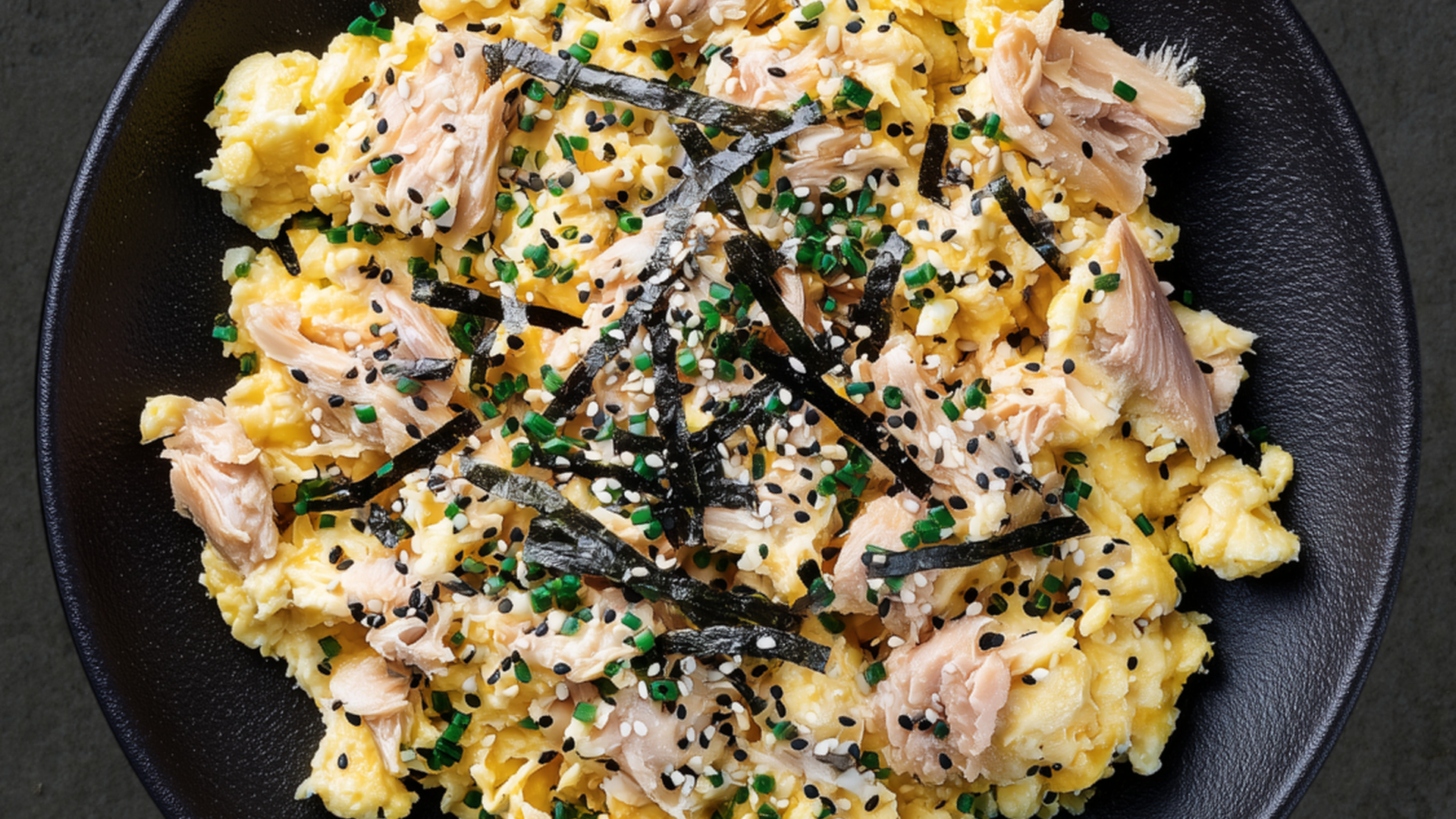
Japanese Tamago Scramble with Salmon and Nori

Fuel for Thought

Article Heading Photo
Photo of Japanese Tamago Scramble with Salmon and Nori

Row 500 meters
15 strict pull-ups
30 push-ups

A silky, buttery Japanese-style egg scramble paired with tender salmon and crisp nori.
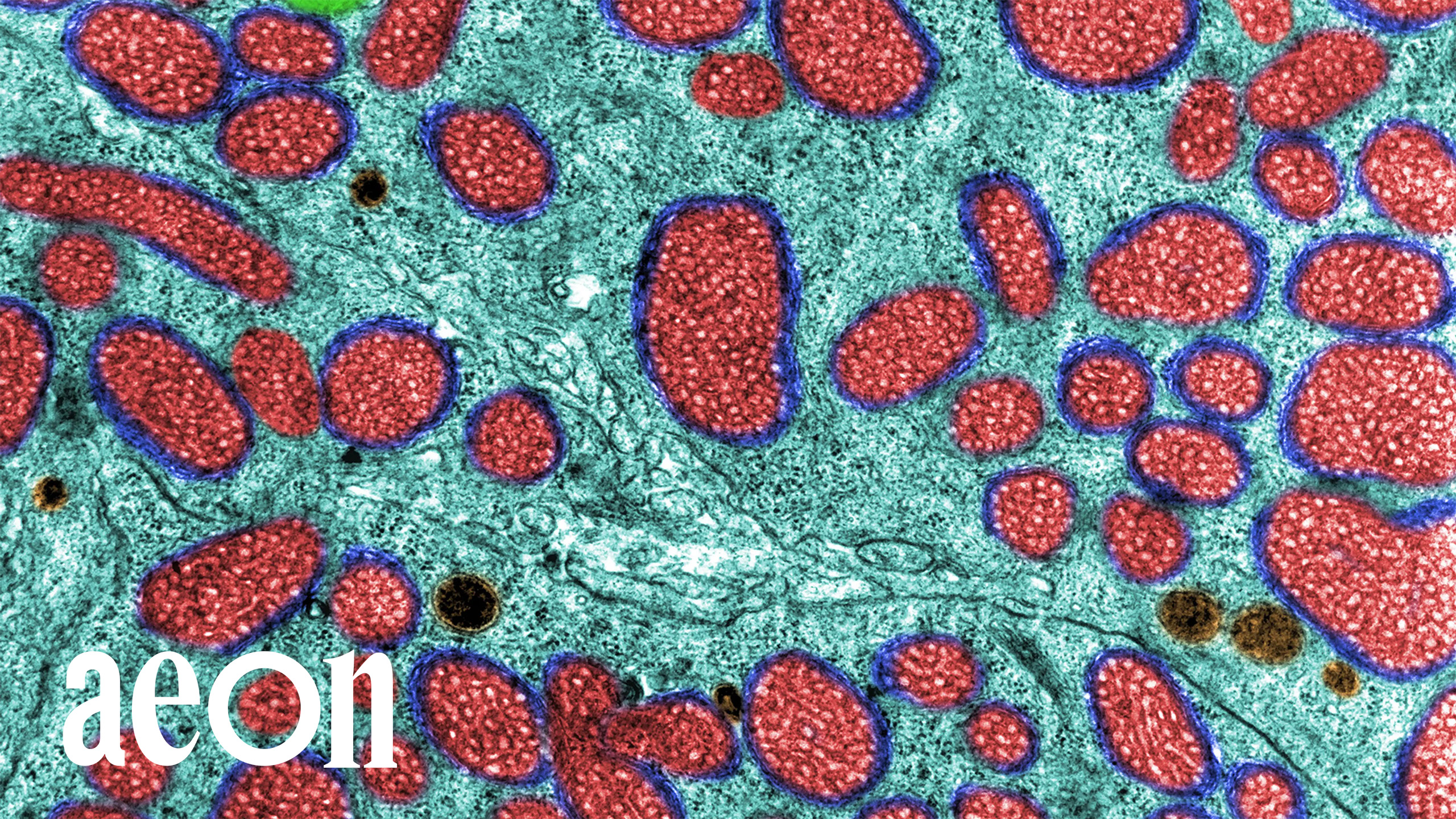
A brain fit for the 21st century is one that understands – and respects – its own bioenergetic foundations

Tab Photo

The
Daily
Fix

Photo of Japanese Tamago Scramble with Salmon and Nori Article Heading Photo

Additionally, stretch for 20 minutes.

Post time to complete to comments.

Ingredients

6 large eggs
2 Tbsp butter or tallow (for cooking)
4 oz cooked salmon (flaked; grilled, poached, or seared)
1 sheet nori (seaweed), cut into thin strips
1 Tbsp heavy cream (optional, for extra creaminess)
½ tsp coconut aminos or tamari (optional, for umami)
Salt and black pepper, to taste
1 tsp sesame seeds (optional garnish)
1 Tbsp chopped chives or green onions (for garnish)

Macronutrients
(per serving, serves 2)

Protein: 32g
Fat: 32g
Carbs: 3g

Preparation

Heat butter or tallow in a nonstick skillet over low to medium-low heat until melted. Place your salmon filets in the pan and cook 4-6 minutes per side, or until desired doneness.

Crack eggs into a bowl and whisk with a pinch of salt, black pepper, and heavy cream (if using) until smooth and slightly frothy.

Heat butter or tallow in a separate nonstick skillet over low to medium-low heat until melted and just beginning to bubble.

Pour in the eggs and stir gently with a spatula, pushing from the edges toward the center to form soft, creamy curds.

When the eggs are mostly set but still glossy, fold in the flaked salmon and cook for another 30–60 seconds until warmed through.

Remove from heat immediately to avoid overcooking.

Spoon onto plates, sprinkle with nori strips and sesame seeds, and garnish with chives or green onions.

Serve warm — perfect for breakfast, brunch, or a light dinner.

This essay explains the central role of mitochondria and cellular energy metabolism in shaping cognition, health, and aging. Mitochondria—organelles descended from ancient bacteria that formed a symbiotic relationship with early cells—generate the chemical energy that powers nearly every biological process. Because the brain is extremely energy-demanding, consuming about 20% of the body’s energy despite making up only about 2% of body weight, cognitive performance depends heavily on efficient cellular energy production. Research discussed in the essay links mitochondrial health with cognitive abilities such as working memory, as well as with aging, disease risk, and overall resilience. The author also describes emerging evidence that lifestyle factors—including diet, exercise, sleep, chronic stress, and social connection—can influence mitochondrial function and therefore the brain’s energy supply. The article argues that modern lifestyles may place growing strain on these bioenergetic systems, and that supporting mitochondrial health may be essential not only for physical wellbeing but also for maintaining mental clarity and cognitive resilience throughout life.

Read More

COMMENTS

0 COMMENTS 0 COMMENTS 0 COMMENTS SHARE LOGIN PRINT
Log In to leave a comment - Log In?
Go to Top