



The
Daily
Fix

260428

TUESDAY 260428
0 0 0

Rest

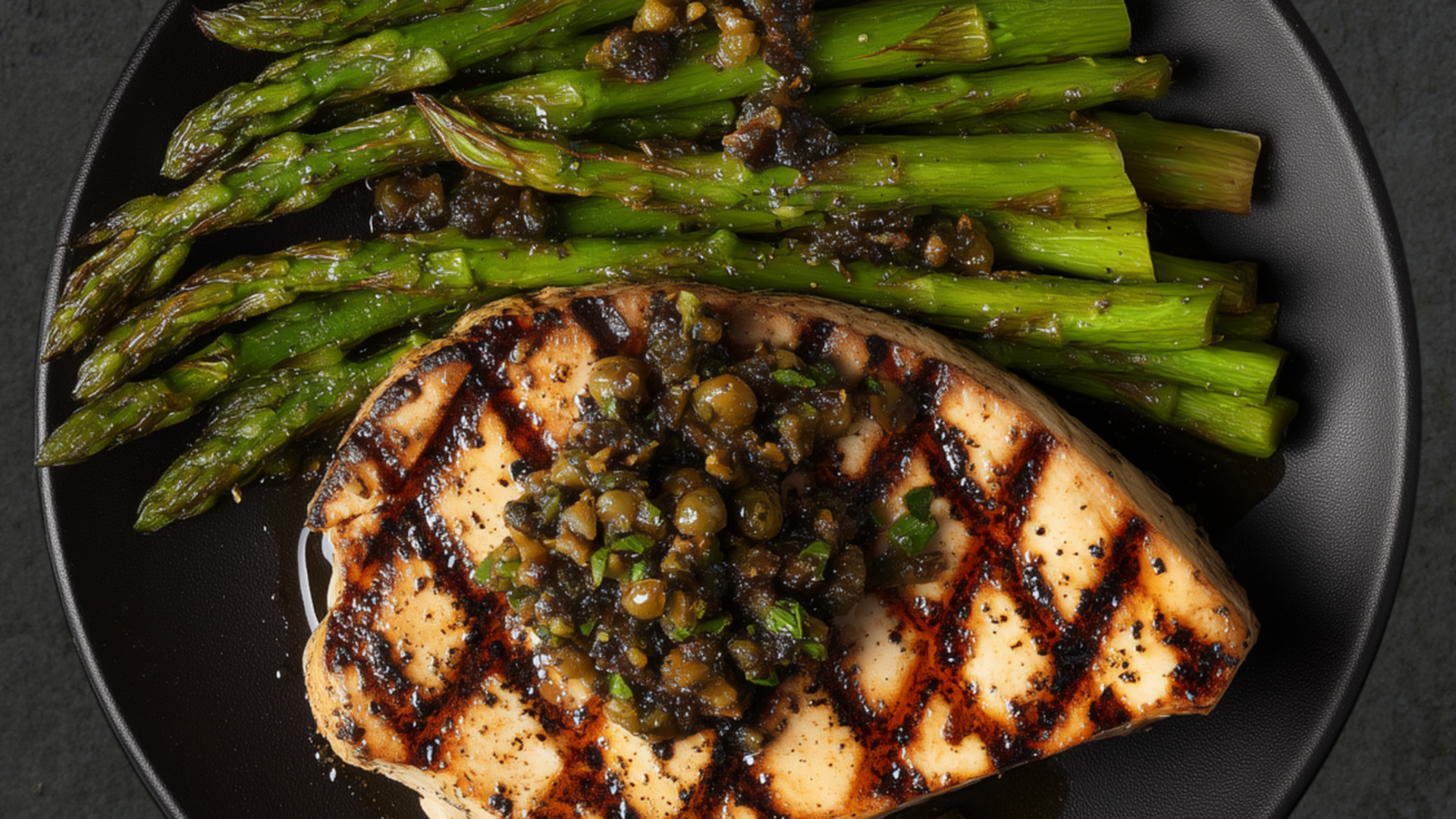
Grilled Swordfish & Olive Tapenade

Why Nearsightedness Is So Common Today

Article Heading Photo
Photo of Grilled Swordfish & Olive Tapenade

Rest day

Swordfish steaks grilled and topped with a briny tapenade, served with lemon butter asparagus.
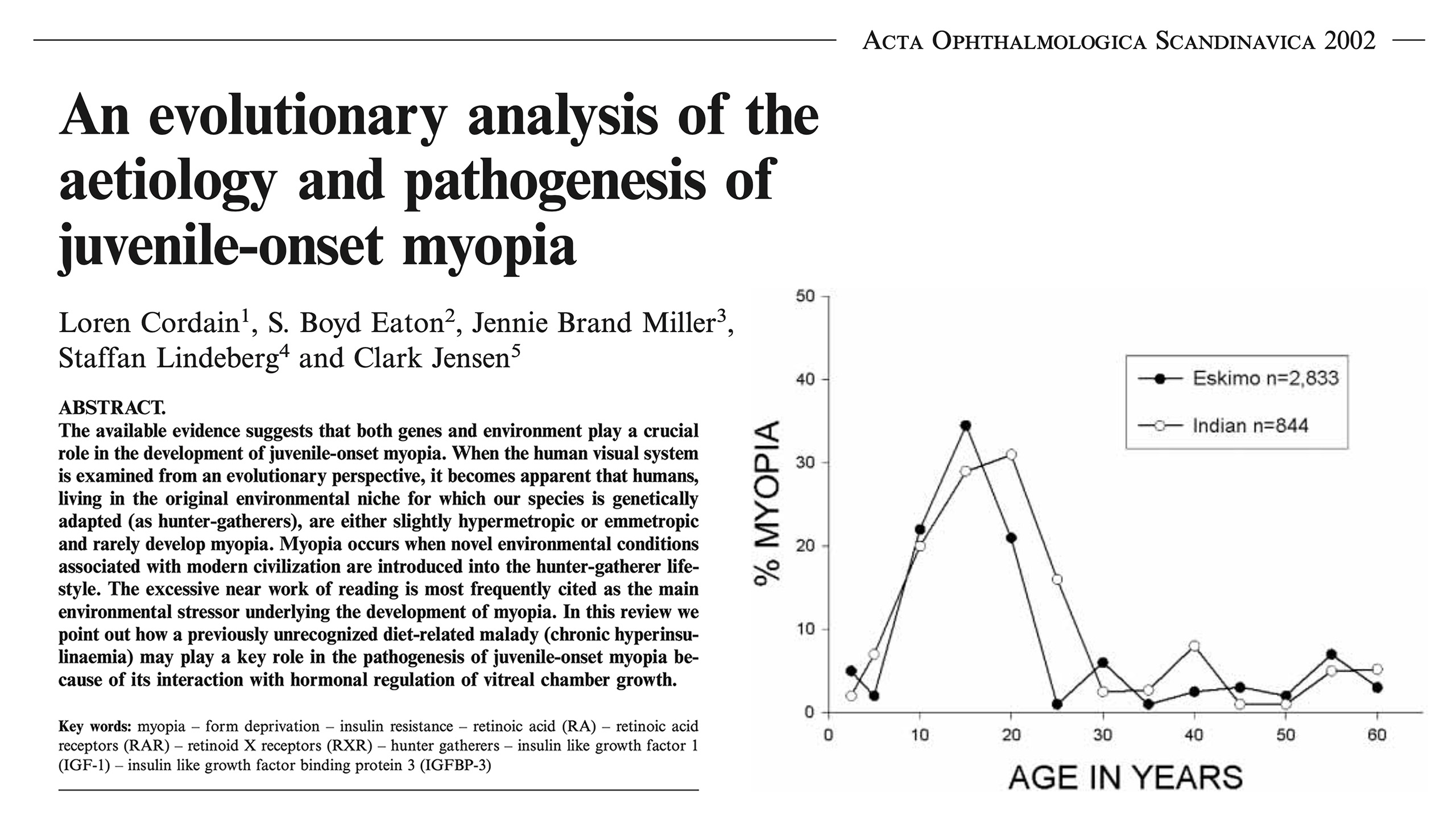
An evolutionary mismatch between modern diets and human biology may contribute to rising rates of myopia.

Tab Photo

The
Daily
Fix

Photo of Grilled Swordfish & Olive Tapenade Article Heading Photo

Enjoy the recovery time, or make-up anything you missed from last week.

Ingredients
6 oz swordfish steak
¼ cup olives, chopped
1 tsp capers
1 tsp olive oil
1 cup asparagus
1 Tbsp butter
1 tsp lemon juice
Salt, pepper

Macronutrients
(makes 1 serving)

Protein: 40g
Fat: 30g
Carbs: 5g

Preparation

In a small bowl, combine chopped olives and capers. Drizzle with 1 teaspoon of olive oil. Stir well and set aside to let the flavors meld while the fish cooks.

Pat the swordfish dry with a paper towel. Season both sides generously with salt and freshly ground black pepper.

Preheat a grill or grill pan over medium-high heat. Once hot, place the swordfish on the grill and cook for 4–5 minutes per side, or until the fish is opaque and has distinct grill marks. Remove from heat and let rest for 1–2 minutes.

While the fish is grilling, heat butter (1 Tbsp) in a skillet over medium heat until melted and slightly foamy. Add trimmed asparagus to the pan and season with salt and pepper.

Sauté for 4–5 minutes, stirring occasionally, until asparagus is tender-crisp and slightly browned. Drizzle with lemon juice and toss to coat.

Plate the grilled swordfish and spoon the olive-caper tapenade over the top. Serve with a side of sautéed asparagus. Drizzle an additional ½ teaspoon of olive oil over the dish as a finishing touch, if desired.

In this 2003 paper, Loren Cordain and colleagues examine why myopia—commonly called nearsightedness—has become so widespread in the modern world. Today roughly 40% of the U.S. population is myopic, yet studies of traditional hunter-gatherer groups show rates typically between 0–2%. The authors point to evidence from indigenous populations undergoing Westernization, where myopia rates increased dramatically within a single generation as refined grains, sugar, and other modern foods were introduced.

Cordain and colleagues propose that high consumption of refined carbohydrates may increase insulin levels, which can elevate IGF-1, a hormone involved in tissue growth. Elevated IGF-1 during childhood may promote elongation of the eyeball, the physical change that produces myopia. While near-work and literacy have often been blamed for worsening eyesight, the researchers found that literate populations maintaining traditional diets had far lower rates of myopia than urban children eating modern diets. They conclude that the rapid rise of nearsightedness may be another example of evolutionary mismatch, where modern dietary patterns disrupt biological systems that evolved under very different conditions.

Read More

COMMENTS

0 COMMENTS 0 COMMENTS 0 COMMENTS SHARE LOGIN PRINT
Log In to leave a comment - Log In?
Go to Top