



The
Daily
Fix
For time:
Lemon Thyme Chicken
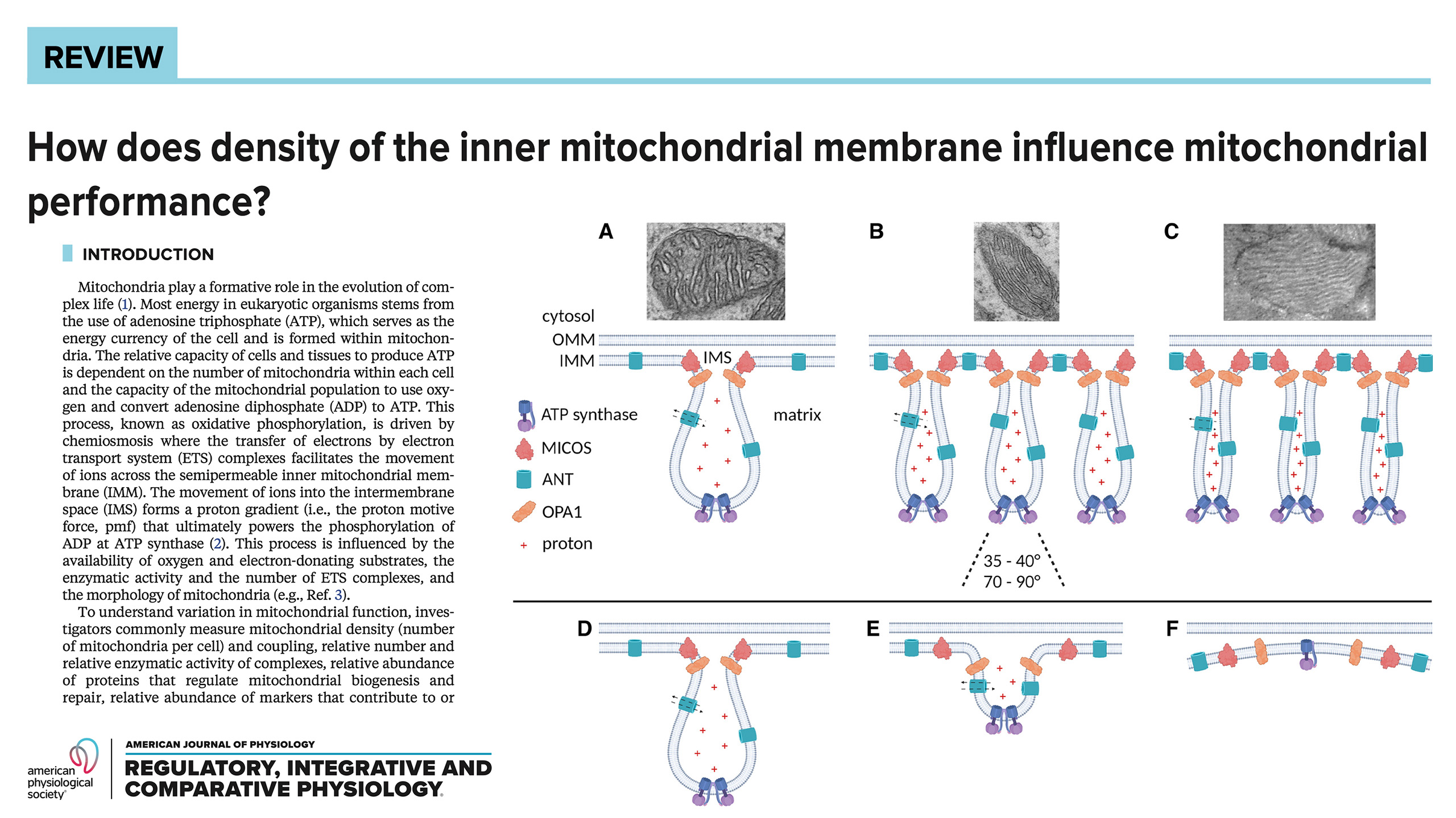
How does density of the inner mitochondrial membrane influence mitochondrial performance?
Run 800 meters
150 wall balls
Run 800 meters
Crispy-seared chicken thighs simmered in a lemon-thyme pan sauce and served over rich, buttery creamed leeks.

How cristae density, membrane structure, and proton signaling shape ATP production and metabolic function
Men throw a 20-lb. ball to 10’
Women throw a 14-lb. ball to 9’
Post time to comments.
Ingredients
For the Chicken:
4 bone-in, skin-on chicken thighs
Salt & black pepper, to taste
1 tsp garlic powder
1 tsp fresh thyme leaves (or ½ tsp dried)
1 Tbsp ghee or butter (for searing)
1 tsp lemon zest
1 Tbsp lemon juice
For the Creamed Leeks:
2 medium leeks, white & light green parts sliced into thin rounds
2 Tbsp butter
½ cup heavy cream
Salt & pepper, to taste
Optional: pinch of nutmeg or extra thyme
Macronutrients
(per serving, serves 2)
Protein: 42g
Fat: 48g
Carbs: 8g
Preparation
Pat chicken dry and season both sides with salt, pepper, garlic powder, and thyme. Heat ghee or butter in a skillet over medium-high heat. Sear chicken skin-side down until deeply golden, about 6–7 minutes. Flip and cook for another 5 minutes. Remove and set aside.
In the same skillet, lower heat to medium. Melt 2 Tbsp butter and add sliced leeks. Sauté for 6–8 minutes until soft and translucent. Add cream, a pinch of salt, pepper, and optional nutmeg. Simmer for 3–4 minutes until thick and creamy.
Return chicken to the pan, skin-side up, nestling into the creamed leeks. Add lemon zest and juice. Cover and simmer on low for 8–10 minutes until chicken is fully cooked (165°F internal temp).
Plate chicken over creamed leeks, spooning pan sauce over the top. Optional: drizzle with olive oil or fresh herbs off heat.

This 2023 review explains how the physical structure of mitochondria influences their ability to produce energy. Inside mitochondria, the inner membrane folds into structures called cristae, which contain the machinery responsible for generating ATP. The amount and density of these folds play a major role in determining how much energy a cell can produce.
As energy demand increases, mitochondria appear capable of building more densely packed inner membranes, allowing more electron transport proteins and ATP synthases to fit inside the organelle. This can improve ATP production and metabolic capacity. However, the paper also suggests there is a limit: if the membrane becomes too densely packed, mitochondria may struggle to manage proton flow efficiently and begin producing excessive reactive oxygen species (ROS), potentially contributing to dysfunction and oxidative stress.
Importantly, endurance-trained athletes tend to have greater cristae density and more organized mitochondrial structure than sedentary or metabolically unhealthy individuals. The findings support the broader idea that mitochondrial health is not just about the number of mitochondria present, but how well their internal structure adapts to energetic demand.
TUESDAY 260602