



The
Daily
Fix
Lean Linda
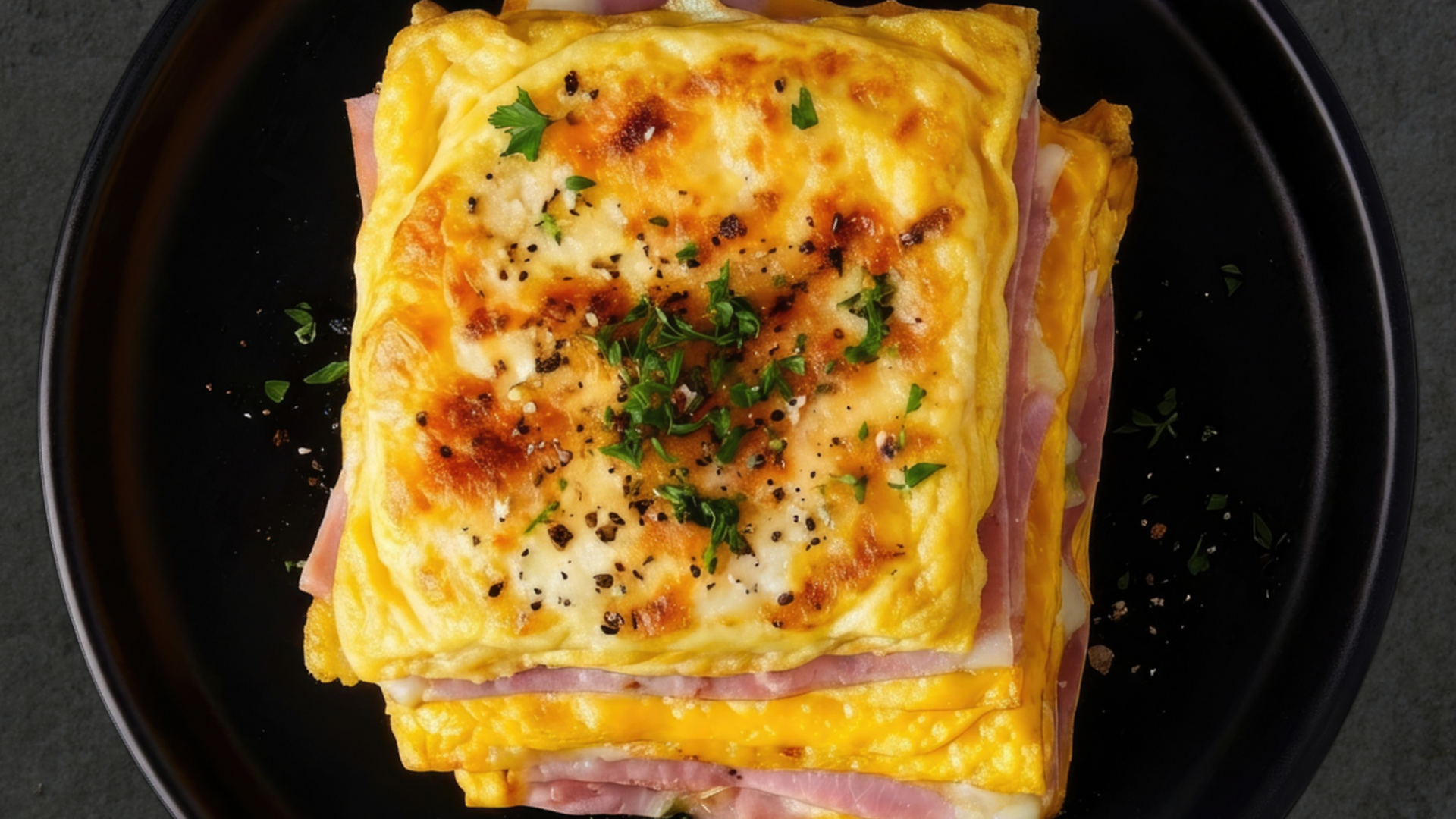
Ham & Swiss Breakfast Sandwich
Regulation of Leptin Production in Humans
11-10-9-8-7-6-5-4-3-2-1 reps for time of:
Deadlifts, 1.5xLBW
Bench presses, 1xLBW
Squat cleans, 0.75xLBW
LBW = Lean Body Weight
A breadless breakfast sandwich stacked with Swiss cheese and ham between fluffy scrambled egg squares.
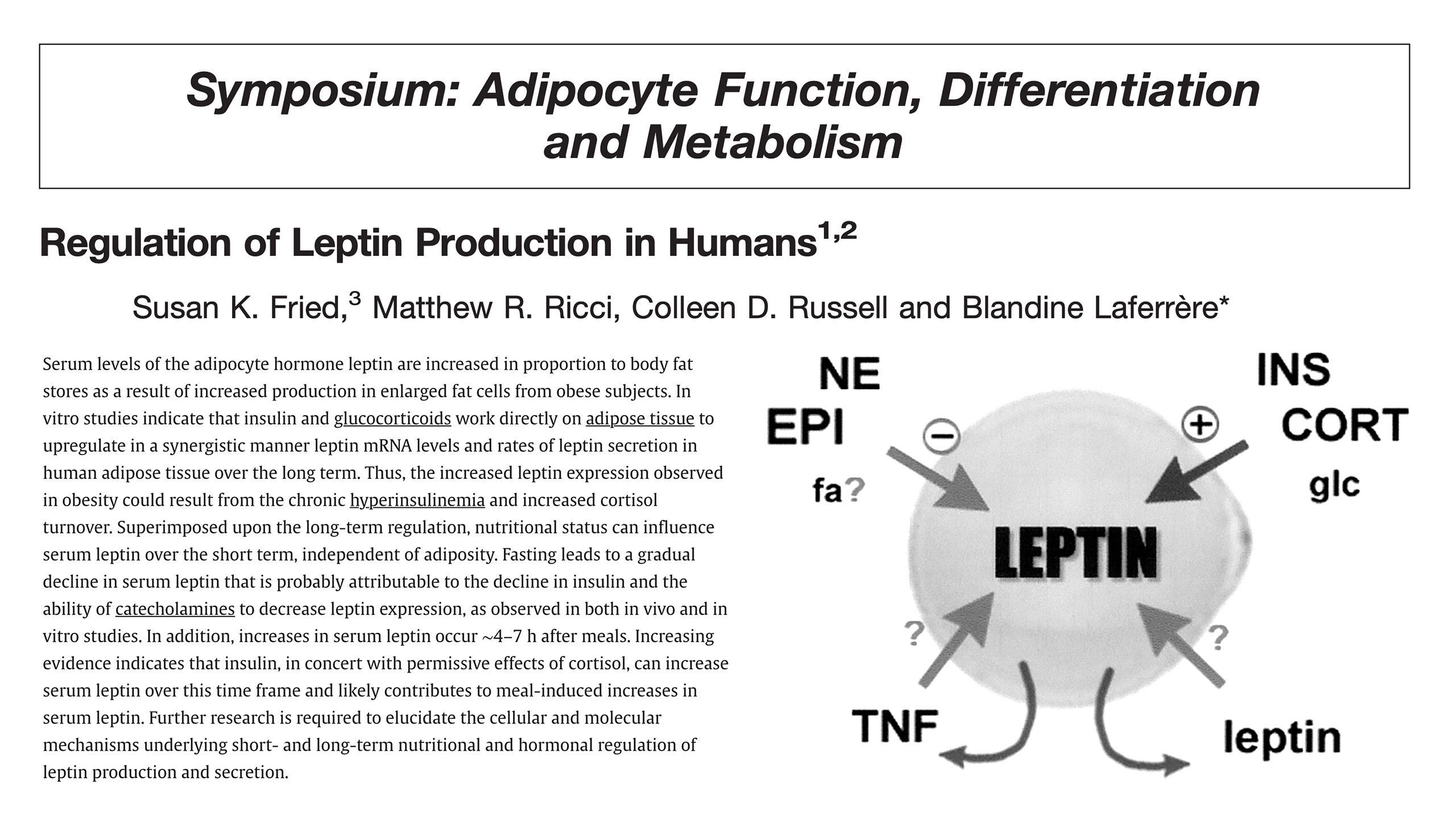
How insulin, cortisol, fasting, and meal timing influence the body's primary signal of stored energy
Like Linda, but lighter, and goes to 11.
First, determine your lean body mass—bodyweight minus fat mass—and use that to calculate your loads for each lift.
Post time to complete, bodyweight and lean body weight, and load used for each exercise to comments.
Compare to 260529 (sim.).
Ingredients
For the Egg Squares:
6 large eggs
2 Tbsp heavy cream
Salt & pepper, to taste
1 Tbsp butter (for baking dish)
For the Filling:
3 oz sliced Swiss cheese
3 oz sliced ham (sugar-free, nitrate-free)
1 tsp Dijon mustard (optional)
1 tsp butter (for warming ham)
Optional Finishing:
1 tsp olive oil (off heat drizzle)
Fresh chives or parsley for garnish
Macronutrients
(per sandwich, makes 2)
Protein: 34g
Fat: 38g
Carbs: 2g
Preparation
Preheat the oven to 350°F (175°C). Whisk eggs, cream, salt, and pepper until well combined.
Butter an 8x8-inch baking dish or small sheet pan and pour in the egg mixture. Bake for 15–18 minutes, or until set and slightly puffed. Let cool for 5 minutes, then slice into 4 squares.
In a skillet over medium heat, melt 1 tsp butter and lightly sear the ham slices for 1–2 minutes. You can also melt the Swiss cheese on top of the ham in the pan for extra gooeyness. Add a dab of Dijon mustard if using.
Place one egg square on a plate. Layer with ham and melted Swiss. Top with another egg square. Repeat to make two sandwiches.
Serve warm, optionally garnished with herbs or a drizzle of olive oil.

Leptin is often described as the hormone that tells the brain how much energy is stored in body fat. This review examines the factors that regulate leptin production and finds that leptin levels are influenced not only by the amount of body fat a person carries, but also by hormonal and nutritional signals. The authors conclude that insulin is one of the primary drivers of leptin production, while fasting, catecholamines, and sympathetic nervous system activity suppress it. Cortisol appears to amplify insulin's effects, helping explain why leptin levels are often elevated in obesity despite persistent hunger and weight gain.
The review also highlights that leptin responds to meals on a timescale of hours, rising several hours after eating and falling rapidly during fasting, even before meaningful changes in body fat occur. High-carbohydrate diets produced larger leptin excursions than high-fat diets, likely due to their greater effects on insulin secretion. The authors argue that chronic hyperinsulinemia may contribute to the elevated leptin levels commonly observed in obesity.
Rather than acting as a primary controller of metabolism, leptin appears to function as a downstream signal reflecting the body's metabolic state. Insulin and other hormones influence how much leptin fat cells produce, while leptin in turn communicates information about energy availability to the brain. In this view, elevated leptin is often a consequence of chronic overnutrition, enlarged fat stores, and persistent insulin signaling rather than the root cause of metabolic dysfunction itself.
FRIDAY 260605