




Japanese Curry Beef Bowl
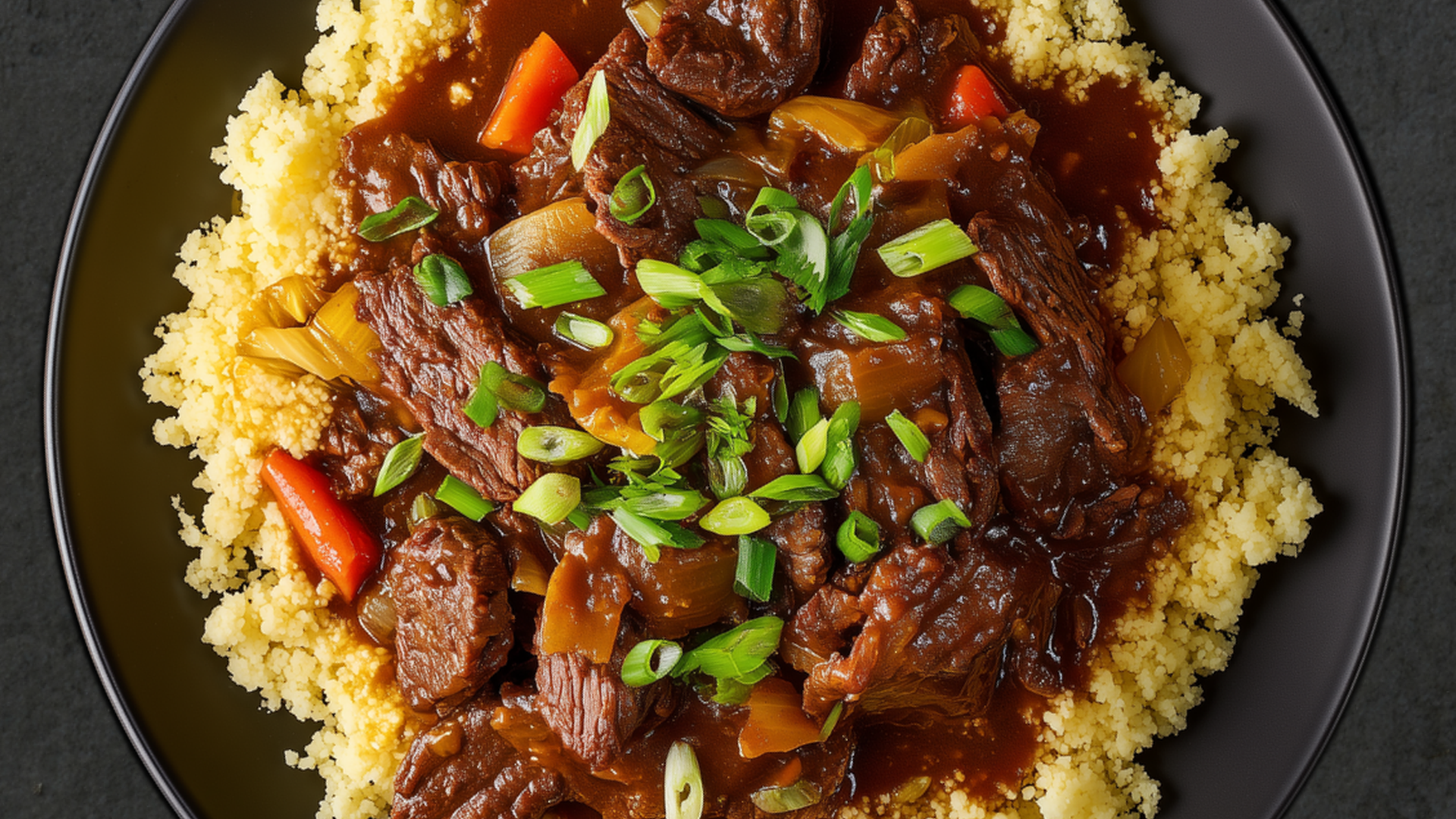
Beef simmered in a spiced Japanese-style curry sauce with veggies, served over buttery cauliflower rice.
Ingredients
For the Curry Beef:
6 oz beef sirloin or chuck, thinly sliced
1 Tbsp ghee or butter
¼ cup onion, thinly sliced
¼ cup zucchini or daikon radish, diced (instead of potato)
¼ cup carrot, finely chopped (optional, minimal carb impact)
1 clove garlic, minced
1 tsp fresh ginger, grated
1 tsp curry powder (Japanese style or mild madras)
½ tsp turmeric
1 cup beef broth (no sugar added)
1 tsp coconut aminos
Salt and pepper, to taste
For the Cauliflower Rice:
1 cup cauliflower rice
1 Tbsp butter
Salt, to taste
Optional Garnish:
Sliced scallions or pickled ginger
Macronutrients
Protein: 42g
Fat: 40g
Carbs: 10g
Preparation
In a skillet over medium heat, melt butter. Add cauliflower rice and a pinch of salt. Cook 5–6 minutes until tender and lightly golden. Set aside.
In another pan, heat ghee or butter. Add beef and season with salt and pepper. Sear for 3–4 minutes until browned. Remove and set aside.
In the same pan, add onion, garlic, and ginger. Sauté 2–3 minutes. Add zucchini and carrots. Cook for 4–5 minutes.
Add curry powder, turmeric, and coconut aminos. Stir, then pour in beef broth. Simmer for 5–7 minutes until sauce reduces and thickens slightly.
Add seared beef back to the pan. Simmer 1–2 minutes more to warm through.
Spoon curry beef and sauce over cauliflower rice. Garnish with scallions or pickled ginger if desired.



20lbs/10’ Wallball Shots
12’ Legless Rope Climbs