


The
Daily
Fix
Heavy Grace
Red Wine and Bone Broth Braised Short Ribs
Ahead of Alzheimer's: Episode 7
30 clean and jerks for time
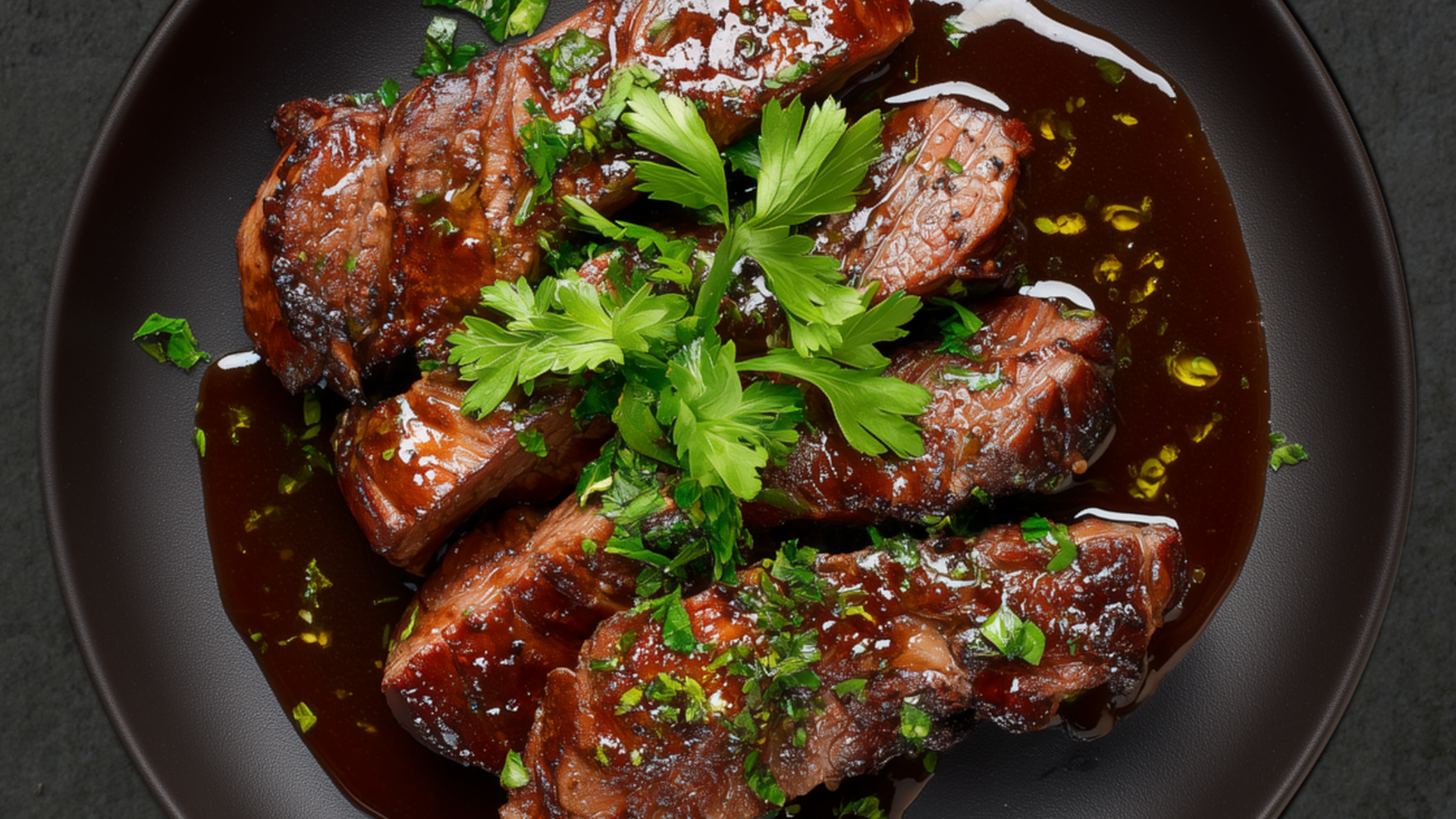
Beef short ribs slow-braised in red wine, bone broth, and aromatics for a rich meal.
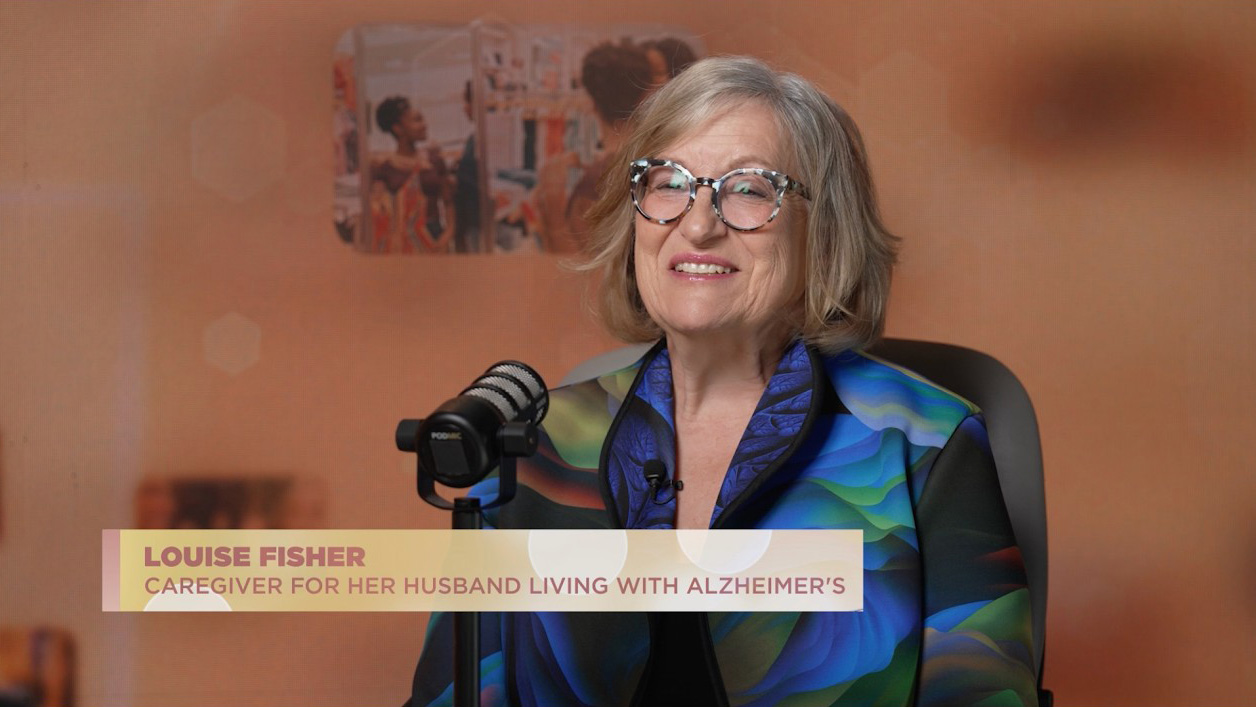
Louise Fisher on caregiving, early diagnosis, and finding hope after Alzheimer's
Use a load heavier than the last time you did Grace.
Reference 260618.
Post load used and time to complete to comments.
Ingredients
1½ lbs beef short ribs (bone-in)
Salt and pepper, to taste
1 Tbsp butter or ghee (for searing)
¼ cup red onion, chopped
2 cloves garlic, minced
1 cup dry red wine (no added sugar)
1½ cups beef bone broth (homemade or no additive store-bought)
1 sprig fresh rosemary
2 sprigs fresh thyme
½ tsp smoked paprika
1 Tbsp apple cider vinegar (optional, for balance)
1 Tbsp fresh parsley, chopped
Drizzle of olive oil (finishing only)
Macronutrients
Protein: 145g
Fat: 145g
Carbs: 8g
Preparation
Pat ribs dry and season all sides generously with salt and pepper. In a Dutch oven or deep oven-safe pot, melt butter or ghee over medium-high heat. Sear the ribs 2–3 minutes per side until browned. Remove and set aside.
In the same pot, reduce heat to medium and add onions. Cook for 3–4 minutes until softened. Add garlic and smoked paprika and cook for another 30 seconds.
Pour in red wine to deglaze the pan, scraping up the browned bits. Simmer for 5 minutes to reduce slightly. Add bone broth, apple cider vinegar (if using), rosemary, and thyme. Return the ribs to the pot, making sure they’re mostly submerged in liquid.
Cover tightly and transfer to a 300°F (150°C) oven. Braise for 2½ to 3 hours, or until the meat is fork-tender and falling off the bone.
Remove ribs and herbs from the pot. Simmer braising liquid on the stovetop if needed to thicken slightly. Plate ribs with a ladle of reduced sauce, fresh parsley, and a finishing drizzle of olive oil.
Louise Fisher shares the story of her husband Alan's Alzheimer's diagnosis and explains why she views early testing as a source of agency rather than despair. Diagnosed at 65, Alan chose to participate in a clinical trial and used the years that followed to travel, document his family's genealogy, meet his grandchildren, and make important financial and legal decisions while he still could. Louise argues that an early diagnosis gives families time to plan, adapt, and make the most of the years ahead.
Drawing on her experience as a caregiver, Louise describes the importance of meeting people where they are instead of constantly correcting memory lapses. She encourages caregivers to build a support team, care for their own physical and mental health, and frame cognitive testing as establishing a baseline rather than searching for Alzheimer's. Her message is ultimately one of hope: life doesn't end with a diagnosis—it changes, and with preparation, compassion, and support, families can continue to find purpose and joy together.




66# (used 55# last time)