




The
Daily
Fix

260828

FRIDAY 260828
2 0 0

For time:

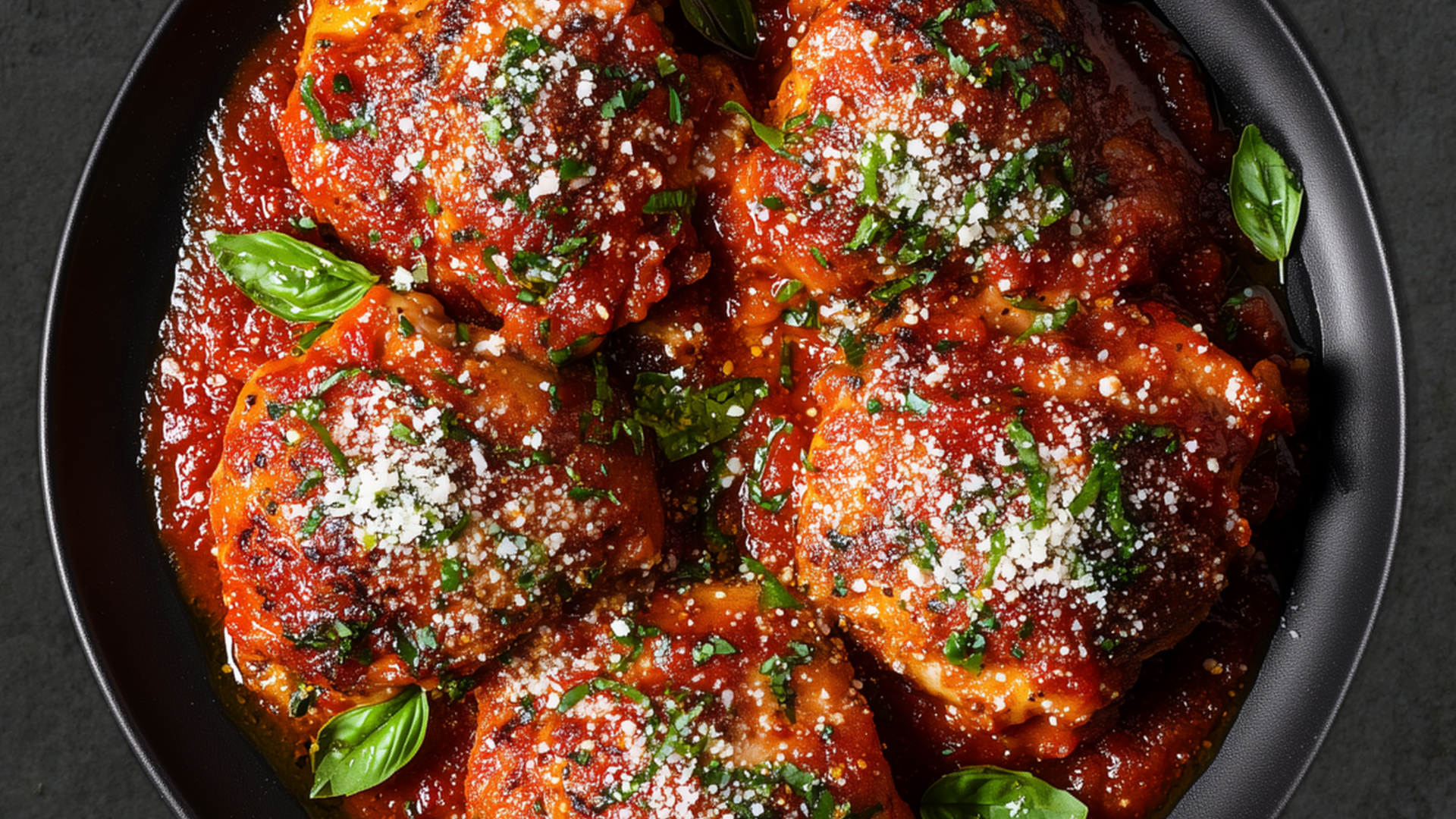
Chicken and Tomato Sauce Skillet

Consequences of Dietary Sugar Consumption

Article Heading Photo
Photo of Chicken and Tomato Sauce Skillet

100 L pull-ups
100 single-arm overhead squats
100 weighted hip extensions

Seared chicken simmered in a rich garlic-herb tomato sauce with fresh basil for a simple, hearty one-pan dinner.
A Historical Perspective

Tab Photo

The
Daily
Fix

Photo of Chicken and Tomato Sauce Skillet Article Heading Photo

Partition the reps however you see best, accumulating 100 reps of each movement.

Use a single dumbbell for the OHS, your choice of load. Hold the same DB at your chest for the hip extensions.

Post time to comments.

Compare to 250915.

Ingredients

For the Chicken:
4 chicken thighs (bone-in, w/ skin)
2 Tbsp butter or tallow (for searing)
Salt and black pepper, to taste

For the Tomato Sauce:
2 Tbsp olive oil
1 small onion, finely chopped
3 cloves garlic, minced
1 can (14 oz) crushed tomatoes
½ cup chicken broth (unsalted)
2 Tbsp tomato paste
1 tsp dried oregano
1 tsp dried basil (or 2 Tbsp fresh, chopped)
½ tsp red pepper flakes (optional)
Salt and black pepper, to taste

Optional Garnish:
Fresh basil or parsley, chopped
Grated Parmesan cheese
Drizzle of olive oil

Macronutrients
(per serving, serves 4)

Protein: 23g
Fat: 35g
Carbs: 7g

Preparation

Pat chicken dry and season with salt and pepper. Heat butter or tallow in a skillet over medium-high. Sear chicken 3–4 minutes per side until golden brown. Remove and set aside.

In the same skillet, add olive oil, onion, and garlic. Sauté 2–3 minutes until softened and fragrant.

Stir in crushed tomatoes, chicken broth, tomato paste, oregano, basil, red pepper flakes, salt, and pepper. Simmer uncovered 6–8 minutes until slightly thickened.

Nestle chicken back into the skillet, spooning sauce over the top. Lower heat, cover, and simmer 12–15 minutes until chicken is cooked through (165°F internal).

Garnish with fresh basil or parsley, Parmesan, and a drizzle of olive oil. Serve hot.

This 2019 review traces the dramatic rise in sugar consumption beginning with the Industrial Revolution, when sugar became cheaper and processed foods and sweetened drinks became increasingly available. Rates of obesity, type 2 diabetes, and cardiovascular disease rose alongside that consumption, while sugar shortages during periods such as World War I coincided with declines in metabolic disease. The authors review evidence linking excess sugar consumption to insulin resistance, fatty liver, diabetes, cardiovascular disease, and obesity.

The article also examines how the sugar industry helped shape the scientific debate that followed. Beginning in the 1950s and ’60s, the Sugar Research Foundation funded research that downplayed sugar’s role in cardiovascular disease and redirected attention toward saturated fat and cholesterol; one industry-funded researcher, Mark Hegsted, later helped draft the precursor to the federal Dietary Guidelines. The authors argue that this history of industry influence helped distort nutrition science and dietary policy while the metabolic consequences of excessive sugar consumption continued to accumulate.

Full Article

COMMENTS

2 COMMENTS 0 COMMENTS 0 COMMENTS SHARE LOGIN PRINT
troybruun August 31, 2026 | 13:20 EST
25rds: 21:35
4 Knee Tuck Pullups
4 DB OH Sqt (10lbs)
4 Weighted Hip Ext (10lbs)
BSage September 01, 2026 | 16:42 EST
30:27 scaled
Ring rows
35# barbell ohs
15#db hip ex
10 rnds of 10 reps
Log In to leave a comment - Log In?
Go to Top