



The
Daily
Fix

261008

THURSDAY 261008
0 0 0

20-minute AMRAP:

Shrimp & Avocado Lettuce Wraps

Improvements in Biomarkers From a Carbohydrate Restricted Diet

Article Heading Photo
Photo of Shrimp & Avocado Lettuce Wraps

Complete as many rounds as possible in 20 minutes of:

Run 400 meters
10 strict pull-ups
15 ½-bodyweight thrusters

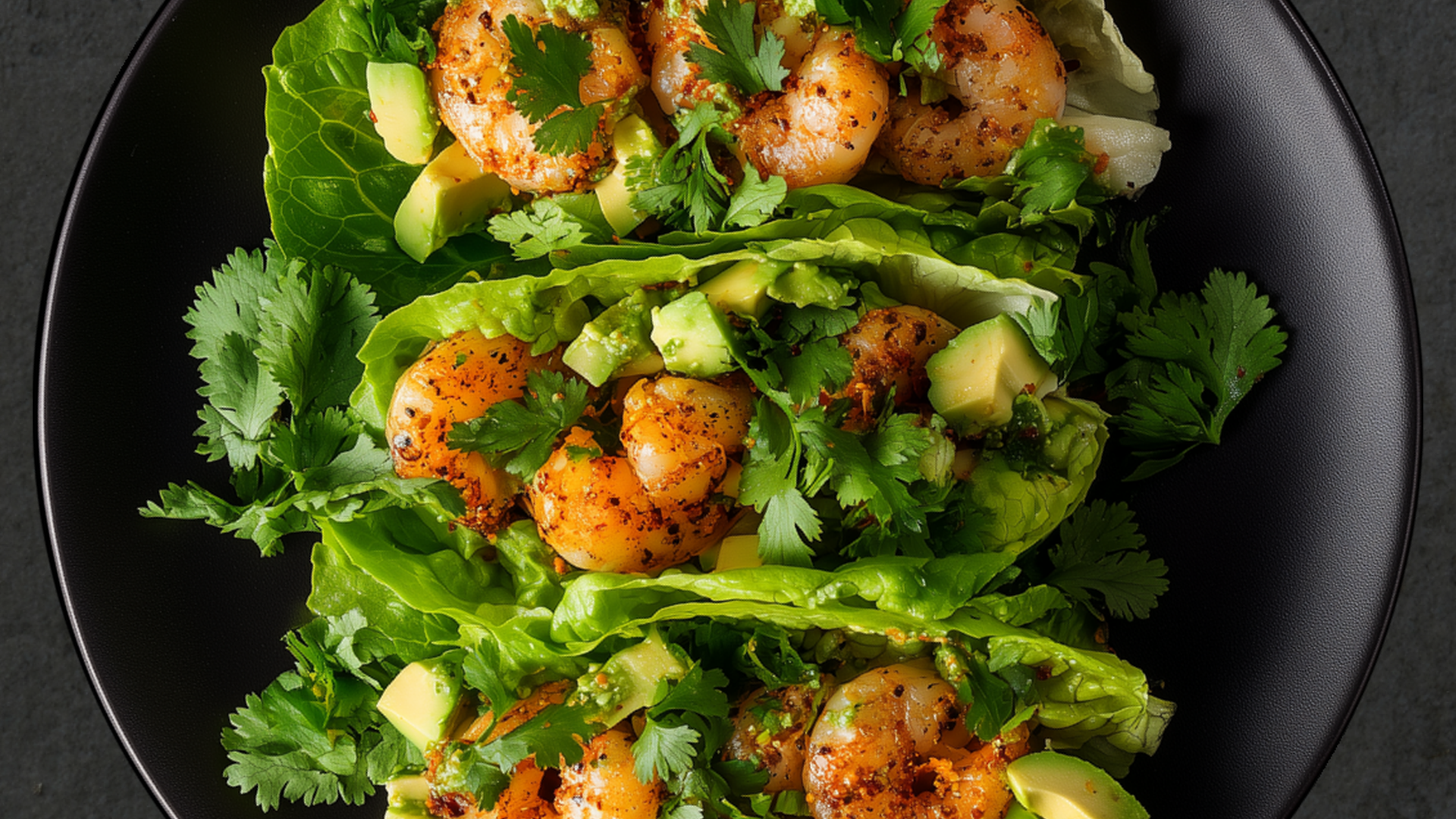
Shrimp and avocado lettuce wraps featuring tender shrimp, creamy avocado, and crisp lettuce, finished with lime and fresh herbs.
A simple, low-cost dietary intervention produced meaningful improvements in cardiovascular risk factors

Tab Photo

The
Daily
Fix

Photo of Shrimp & Avocado Lettuce Wraps Article Heading Photo

Pull-ups and thrusters should be done in one set in the early rounds. If that’s not possible, pick a pull-up variation and reduce the thruster load. Aim for at least 4 rounds.

Post load used and number of rounds completed to comments.

Ingredients

1 Tbsp butter (for cooking)
1 lb raw shrimp (peeled and deveined)
½ tsp coarse sea salt
½ tsp cracked black pepper
½ tsp smoked paprika
¼ tsp garlic powder
1 ripe avocado, diced
1 Tbsp fresh lime juice
2 Tbsp chopped fresh cilantro
8 large butter lettuce leaves (or romaine leaves)
1 Tbsp extra virgin olive oil (for finishing)

Macronutrients

Protein: 96g
Fat: 58g
Carbs: 18g

Preparation

In a skillet, melt the butter (1 Tbsp) over medium heat. Season the shrimp (1 lb) with sea salt (½ tsp), cracked black pepper (½ tsp), smoked paprika (½ tsp), and garlic powder (¼ tsp). Add the shrimp to the hot skillet and cook for 2–3 minutes per side until pink and cooked through. Remove from heat and set aside.

In a small bowl, gently toss the diced avocado (1) with lime juice (1 Tbsp) and chopped cilantro (2 Tbsp). Season with a pinch of salt to taste.

Lay out the lettuce leaves (8) and fill each with a few shrimp and a spoonful of the avocado mixture. Drizzle each wrap lightly with extra virgin olive oil (1 Tbsp total, divided across all wraps).

Serve immediately, optionally garnished with extra cilantro or lime wedges.

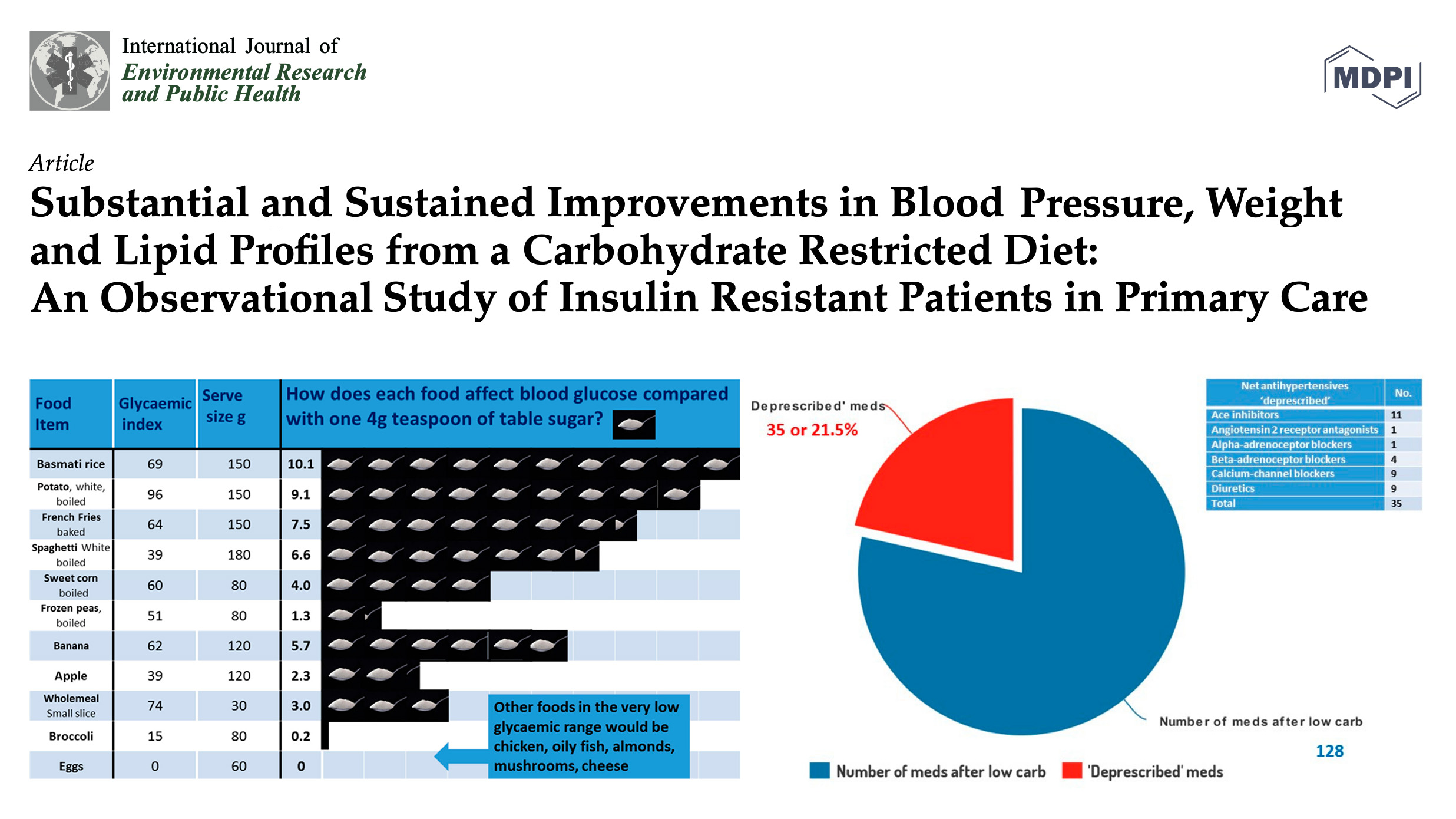
This 2019 study followed 154 patients with type 2 diabetes or impaired glucose tolerance who were advised to substantially reduce sugar and starchy carbohydrates while eating more vegetables, low-glycemic fruit, meat, fish, eggs, dairy, nuts, and fats. After an average of two years, patients had lost 9.5 kg and reduced systolic blood pressure by 10.9 mmHg and diastolic pressure by 6.3 mmHg. Triglycerides fell 32%, HDL increased 8%, and the total cholesterol-to-HDL ratio improved 15%. ijerph-16-02680

These improvements occurred while patients were actually reducing their use of blood-pressure medication: 35 of the 163 antihypertensive prescriptions used at baseline were discontinued. The authors estimated that accounting for those medication changes would put the blood-pressure reduction closer to 14.8/8.1 mmHg. Perhaps most notable is how little the intervention required—basic dietary guidance, routine follow-up, and optional group support, conducted in an ordinary primary-care practice for a total research budget of just £7,000. The study was observational and participants self-selected the diet, so it cannot establish causation on its own, but it demonstrates what a relatively simple carbohydrate-restriction program can achieve in real-world clinical practice.

Read the Study

COMMENTS

0 COMMENTS 0 COMMENTS 0 COMMENTS SHARE LOGIN PRINT
Log In to leave a comment - Log In?
Go to Top