The
Daily
Fix

261106

FRIDAY 261106
0 0 0

Rest

Cod with Spinach & Garlic Cream Skillet

Dairy Fat and Type 2 Diabetes Risk

Article Heading Photo
Photo of Cod with Spinach & Garlic Cream Skillet

Rest day

Flaky cod fillets simmered in a buttery garlic cream sauce with wilted spinach.

Higher levels of dairy-fat biomarkers are associated with a lower risk of developing diabetes

Tab Photo

The
Daily
Fix

Photo of Cod with Spinach & Garlic Cream Skillet Article Heading Photo

Enjoy the recovery time, or make-up anything you missed from last week.

Ingredients

For the Cod & Sauce:
4 cod fillets (6 oz each, skinless)
2 Tbsp butter or beef tallow (for searing)
3 cloves garlic, minced
½ cup chicken broth (unsalted)
1 cup heavy cream
½ cup grated Parmesan cheese
½ tsp smoked paprika
½ tsp red pepper flakes (optional)
Salt and black pepper, to taste

For the Spinach:
3 cups fresh spinach
1 Tbsp butter

Optional Garnish:
Fresh parsley, chopped
Lemon wedges

Macronutrients
(per serving, serves 4)

Protein: 37g
Fat: 23g
Carbs: 4g

Preparation

Pat cod fillets dry and season with salt and pepper. Heat 2 Tbsp butter or tallow in a skillet over medium-high. Sear cod 3–4 minutes per side until lightly golden and nearly cooked through. Remove and set aside.

In the same skillet, add garlic and sauté 1 minute until fragrant. Stir in chicken broth, scraping up browned bits. Reduce slightly, then add heavy cream, Parmesan, paprika, and red pepper flakes. Simmer 3–4 minutes until thickened.

In a separate pan, wilt spinach with 1 Tbsp butter. Stir into the cream sauce.

Return cod fillets to the skillet, spoon sauce over the top, and simmer 2–3 minutes until fish is flaky and cooked through.

Garnish with parsley and a squeeze of lemon if desired. Serve hot.

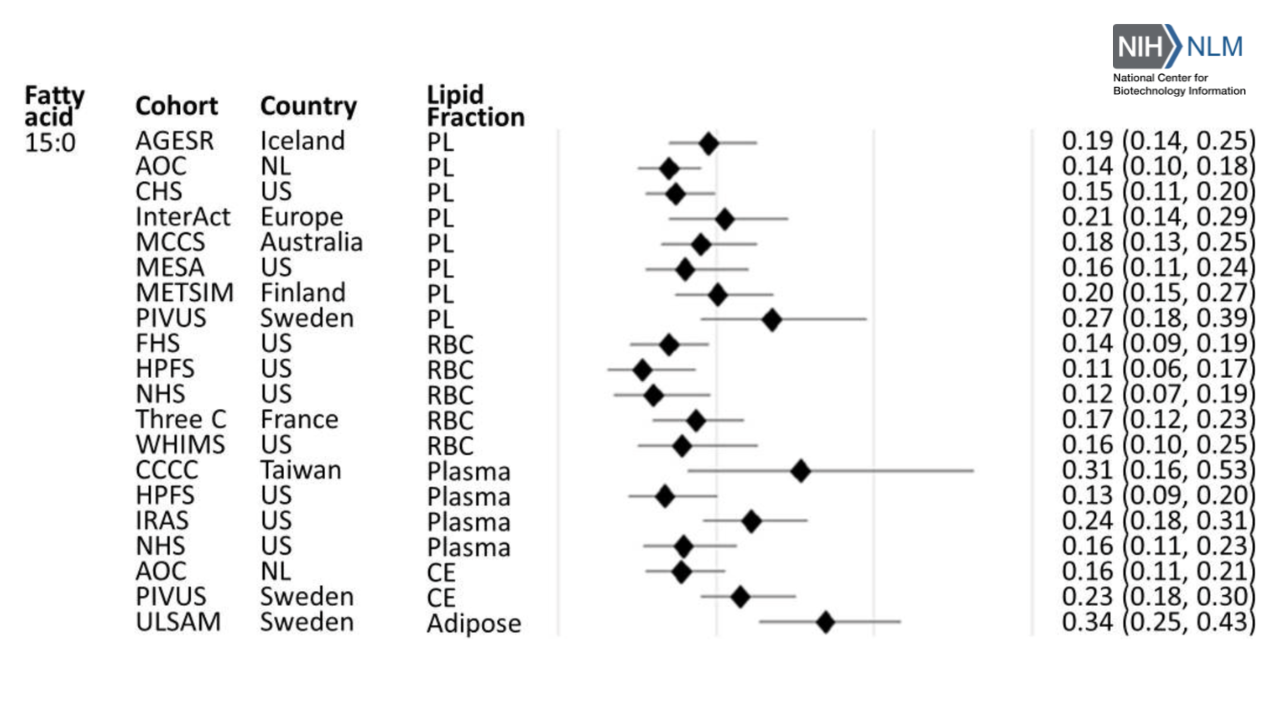
This 2018 analysis, published in PLOS Medicine, combined data from 16 prospective cohort studies across 12 countries to investigate the relationship between dairy fat consumption and type 2 diabetes (T2D). Rather than relying on participants to recall what they ate, researchers measured three fatty acids in blood or tissue that are associated with dairy fat consumption. The analysis included 63,682 adults without diabetes at baseline, of whom approximately 15,180 developed T2D during an average of nine years of follow-up.

Higher concentrations of all three fatty acid biomarkers were associated with a lower risk of developing T2D. Comparing participants with higher versus lower combined biomarker levels, researchers found a 29% reduction in relative risk. These associations persisted after adjusting for several potential confounding factors, including obesity, physical activity, and other metabolic risk markers.

There are important limitations, however. Although measuring fatty acids avoids the inaccuracies of self-reported dietary intake, these biomarkers are not exclusive to dairy and can be influenced by other foods and metabolic processes. Results also varied considerably between studies. Most importantly, this was an observational analysis, so it cannot establish that consuming dairy fat prevents diabetes. The results nevertheless raise questions about dietary recommendations favoring low-fat dairy and provide a basis for further controlled research.

Full Article

COMMENTS

0 COMMENTS 0 COMMENTS 0 COMMENTS SHARE LOGIN PRINT
Log In to leave a comment - Log In?
Go to Top