The
Daily
Fix

261116

MONDAY 261116
0 0 0

4 rounds of Tabata:

Lemon Herb Shrimp & Veggie Kebobs

The Arteries Don't Wait for Menopause

Article Heading Photo
Photo of Lemon Herb Shrimp & Veggie Kebobs

Row, bike, ski erg, jump rope, or other monostructural exercise.
Choose one, or mix and match.

Rest 5 minutes between rounds.

A lemon herb marinade offers a fresh, tangy flavor to these kebobs.

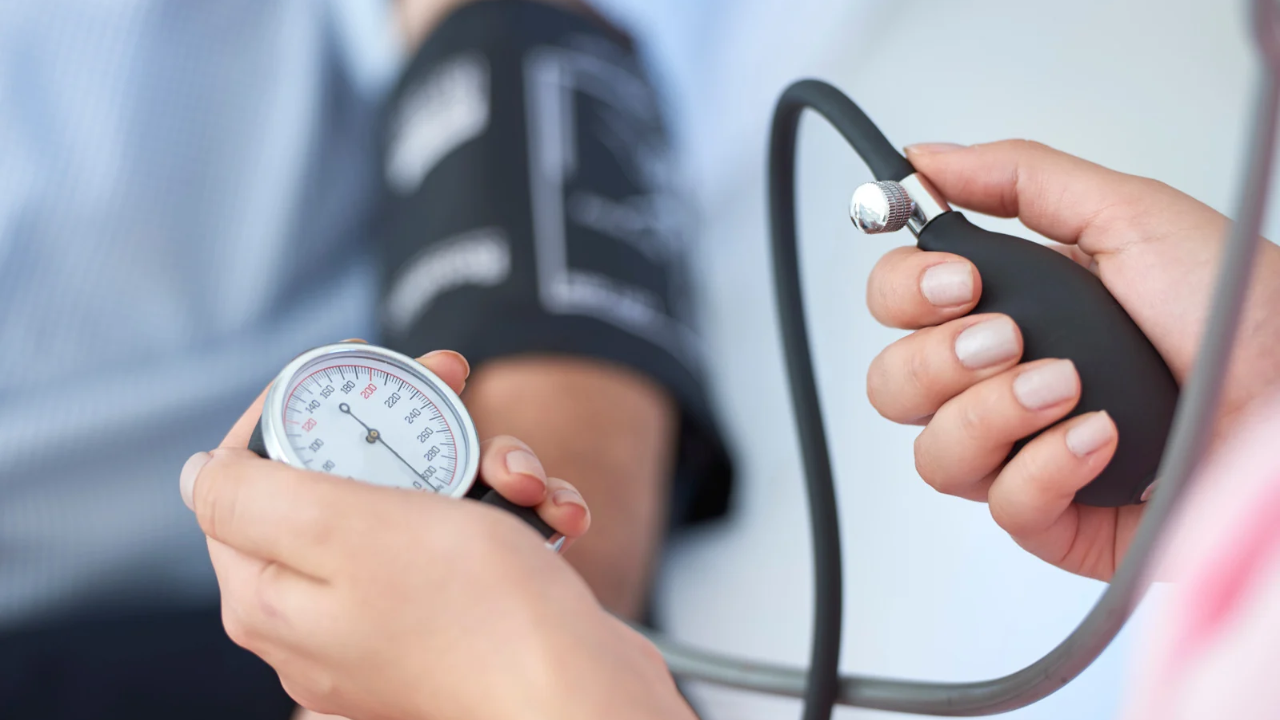
Women's blood vessels start stiffening around 38. For decades, medicine marked the date at 51 and blamed hormones.

Tab Photo

The
Daily
Fix

Photo of Lemon Herb Shrimp & Veggie Kebobs Article Heading Photo

The Tabata interval is 20 seconds of work followed by 10 seconds of rest for 8 intervals (4 minutes total). After the 5-minute break, you’ll start the second round at 9:00, the third at 18:00, and the fourth at 27:00.

Post exercises and score for each round to comments.

Ingredients

3 oz shrimp, peeled and deveined
1 small zucchini, sliced
⅛  orange bell pepper, cubed
⅛  green bell pepper, cubed
¼  red onion, cubed
1 Tbsp butter
2 tsp lemon juice
1 tsp Dijon mustard
1 tsp fresh thyme, chopped
½  tsp garlic, minced
1 tsp lemon zest
1 Tbsp parsley, chopped
Salt and pepper to taste

Macronutrients

Protein: 20g
Fat: 20g
Carbohydrates: 9g

Preparation

Sear the kebobs: Skewer the shrimp (3oz), sliced zucchini (1 small), cubed orange peppers (⅛), and cubed red onion (¼). Season with salt and pepper to taste.  Heat a griddle pan over medium heat and add the butter (1 Tbsp.)  Sear the kebobs until the shrimp turn pink and opaque.

Mix the dressing:  In a bowl, mix together the lemon juice (2 tsp), Dijon mustard (1 tsp), chopped thyme (1 tsp), and minced garlic (½ tsp.)

Serve: Place the kebobs onto a serving dish and garnish with lemon zest (1 tsp) and chopped parsley (1 Tbsp.)  Drizzle with the lemon herb dressing or serve on the side.

The traditional view is that arterial stiffening in women accelerates around menopause as estrogen levels decline. However, findings from the Framingham Heart Study suggest the process begins much earlier. Researchers followed 6,760 women over 14 years and found that pulse pressure, an indicator of arterial stiffness, begins increasing in women around age 38, nearly two decades before menopause. Menopause timing did not appear to influence when this shift occurred. The findings challenge the assumption that cardiovascular health becomes a concern only after menopause and highlight the importance of monitoring arterial health earlier in life. One simple place to start is pulse pressure, calculated by subtracting diastolic blood pressure from systolic blood pressure.

Full Article

COMMENTS

0 COMMENTS 0 COMMENTS 0 COMMENTS SHARE LOGIN PRINT
Log In to leave a comment - Log In?
Go to Top