
Streams live, Tuesday Dec. 9 at 11:00 a.m. ET / 8:00 a.m. PT
Join Dale for a conversation with Erin Richter, the driving force behind MetFix Bowling Green. Erin has built a community where members feel seen, supported, and pushed to grow. We’ll talk about her journey, the setbacks she’s fought through, and the passion she brings to helping people change their lives.
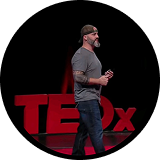
Dale is the Head of Affiliates for MetFix. Dale is a nationally recognized speaker, entrepreneur, veteran, coach, and owner of PSKC MetFix. His gym has helped build a stronger community that had been ravaged by a depressed economy and opioid addiction. He has founded and operated multiple businesses and non-profits including Doc Spartan, Some Assembly Required, and Spartan Solutions Group.

Support the Broken Science Initiative.
Subscribe today →
recent posts
If you're seeing this page, you are not currently logged into a profile with access to Affiliate Owners / Medical.
At the 2026 Unbreakable Health Retreat in Miami, Emily Kaplan hosted a panel with Bob Kaplan, Professor Thomas Seyfried, and Dr. Derek Lee on what it means to treat cancer as a metabolic disease. They discussed the glucose-ketone index (GKI), nutritional ketosis, and strategies aimed at restricting the fuels cancer cells depend on while considering how metabolic therapy can fit alongside standard cancer treatment.
The conversation also addressed the practical realities patients face when trying to pursue a metabolic approach within the conventional oncology system, including questions about nutrition, repurposed drugs, inherited cancer risk, and how to evaluate different treatment options. Seyfried and Lee connected these clinical questions back to mitochondrial dysfunction, fermentation, and the metabolic vulnerabilities that may offer additional targets for cancer treatment.
An abbreviated version of this discussion is available here, for free.
At the 2026 Unbreakable Health Retreat in Miami, Professor Thomas Seyfried presented the case that cancer is fundamentally a mitochondrial metabolic disease rather than primarily a genetic one. He contrasts the dominant somatic mutation theory with a metabolic model in which impaired mitochondrial respiration drives a shift toward fermentation, dysregulated cell growth, and the mutations commonly associated with cancer.
Citing the work of Otto Warburg and research from his lab at Boston College, Seyfried explains how cancer cells rely heavily on fermentable fuels—particularly glucose and glutamine—and why mitochondrial dysfunction sits upstream of many of the genetic abnormalities seen in tumors. He also discusses reactive oxygen species, altered cellular signaling, and the role of mitochondria in regulating cell growth and behavior.
The presentation then turns to the therapeutic implications of this model. Seyfried explains strategies aimed at placing tumor cells under metabolic stress by restricting the fuels they depend on, including ketogenic metabolic therapy and approaches targeting glucose and glutamine. For Seyfried, the therapeutic target follows directly from the biology: restrict the fuels cancer cells depend on, exploit their metabolic weaknesses, and treat mitochondrial dysfunction as the central feature of the disease.
An abbreviated version of this discussion is available here, for free.
MetFix and BSI Members can view the full 54-minute video.


