
https://www.youtube.com/watch?v=HgM1yhwj1mg
Choose a reading level from the dropdown above.
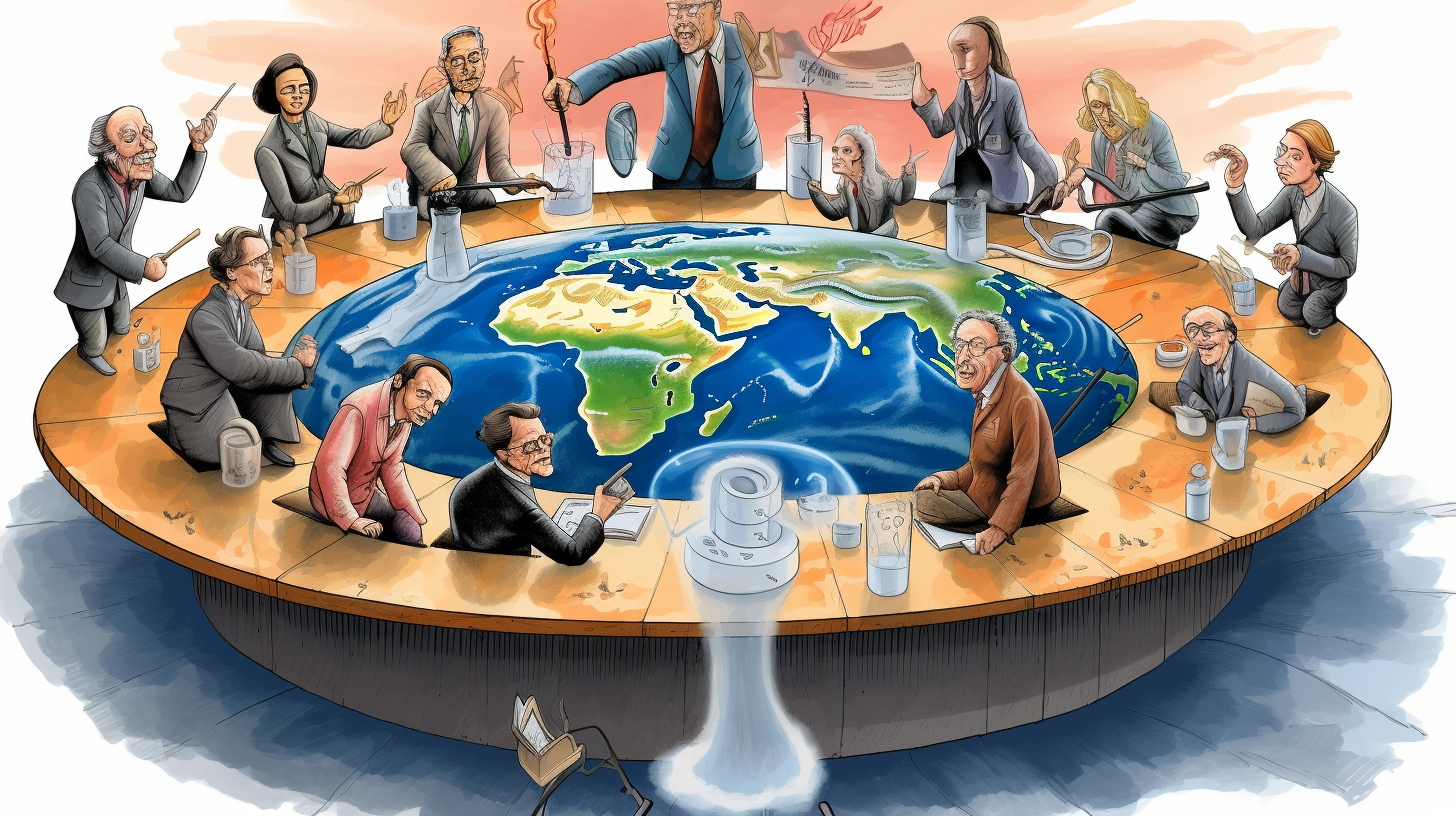
In this speech delivered to the Tenth International Conference on Climate Change in 2015, William Briggs discusses how people's beliefs become part of their identity. He opens by discussing the differences between scientists and civilians. If a civilian is taught the earth revolves around the sun, they will usually believe it. Civilians trust the word of a scientist, even though they don't understand orbital mechanics. This belief is relatively unimportant to their daily lives, though.
He contrasts that with a belief many civilians have in UFOs. Most experts disagree. The difference between planetary motion and UFOs is that this is something they want to believe. It's part of their identity to believe in UFOs. When experts argue against UFOs, it can actually strengthen their belief. But other than boring their dinner guests, it is still a relatively harmless belief.
Just because someone has a desire to believe in something (that airplanes fly or a pill cures a disease) is not logically or psychologically wrong. People believe in these things because they have seen them work. That scientists agree is comforting, but not essential.
When it comes to climate change, civilians often strongly disagree with genuine experts. And there is such a variety of opinions among experts that it is amazing anything useful can be said about climate change. People with no understanding of climate science attack scientists who disagree with their views.
“The solution” to climate change typically involves using government power to eliminate “unfettered capitalism.” Any activities that impact the environment should be regulated or banned. True believers desire “the solution.” Advocating for it is part of their identity, so any skepticism of the solution is a personal attack against them. They demand skeptics of “the solution” be fired, sued, or even killed. If new research might unsettle their belief, then new research must be stopped. Politicians go along with it, because they believe themselves to be the solution.
Briggs has personal experience in this area. After publishing a paper critical of the climate consensus, he was threatened by civilians and investigated by members of the House and Senate. In the Soviet Union, Lysenko bullied other scientists into accepting his theories. Proponents of “politically incorrect” (the actual term they used) science were fired, arrested, and even killed.
Changing the culture will be difficult. People need to be convinced that the government is not the solution, but part of the problem. Briggs believes people are not a scourge against the environment, but a vital facet of nature.
In a 2015 speech, William Briggs talked about how people's beliefs can become part of who they are. He said there is a difference between scientists and regular people. If a scientist tells a regular person that the Earth goes around the sun, they will usually believe it. Regular people trust scientists, even if they don't understand the science. But whether or not a person believes the earth goes around the sun does not change their everyday life.
He compared that to some people believing in UFOs. This disagrees with what most experts think. The difference is that some people want to believe in aliens. Believing in UFOs becomes part of who they are. When experts say UFOs aren't real, it can make their belief even stronger. They can be annoying, but these beliefs aren't too harmful.
Just because someone wants to believe something doesn't mean it's illogical or wrong. People believe things they have seen. It's comforting if scientists agree, but not essential.
On climate change, regular people often disagree strongly with experts. Experts disagree on many things about climate change, so it's amazing they can say anything clear about it. Regular people with no training in climate science attack real scientists who disagree with them.
The "solution" to climate change usually involves using government power to stop capitalism. They want to limit or stop any activity that impacts the environment. True believers want to believe in this solution. It is part of who they are, so they feel attacked when people doubt them. Politicians go along, believing they are the solution.
Briggs has experience here. After publishing a paper disagreeing with popular climate ideas, he was threatened and investigated by Congress. In the Soviet Union, a powerful scientist named Lysenko bullied others into believing his theories. Supporters of "politically incorrect" science were punished.
Changing the culture will be hard. People need to know government is not the solution, but part of the problem. Briggs believes people are not destroying nature, but are an important part of it.
In a 2015 speech, William Briggs talked about how people's beliefs can become part of who they are. He said there's a difference between scientists and regular people. If a regular person learns the Earth orbits the sun, they'll usually believe it. Regular people trust scientists, even without understanding the science. But believing the Earth orbits the sun doesn't really impact their daily lives.
He compared that to some people believing in UFOs. This goes against what most experts believe. The difference is that people want to believe in aliens. Believing in UFOs becomes part of their identity. When experts say UFOs aren't real, it can make their beliefs even stronger. UFO believers can be obnoxious, but it's not usually harmful to anyone.
Just because someone wants to believe something (like planes can fly or a pill cures disease) doesn't mean it's illogical or unreasonable. People believe these things because they've seen them work. It's nice if scientists agree, but not essential.
On climate change, regular people often strongly disagree with real experts. Climate scientists disagree on so many points, it's amazing they can say anything at all. People with no training in climate science attack scientists who disagree with them.
The “solution” to climate change often involves using government power to stop uncontrolled capitalism. They want to limit or ban any activity that impacts the environment. True believers want this “solution.” Advocating for it is part of their identity, so any doubt feels like a personal attack. They demand spetics be punished. Politicians go along, believing they are the solution.
Briggs has personal experience here. After publishing a paper critical of the consensus views on climate change, he was threatened by regular people and investigated by Congress. In the Soviet Union, Lysenko bullied scientists into accepting his theories. “Politically incorrect” science supporters were fired, arrested, or killed.
Changing the culture will be hard. People need to be convinced government is not the solution, but part of the problem. Briggs believes humans are not destroying the environment, but are an important part of nature.
Homeschool:


Support the Broken Science Initiative.
Subscribe today →
One Comment
Leave A Comment Cancel reply
You must be logged in to post a comment.
recent posts

Understanding why high-intensity effort can send glucose higher before it comes back down.

How a Low-Carb Ketogenic Diet Naturally Activates the Same Pathways



Excellent. I’ve tried to have these exact conversations with people I know who were completely overtaken by the propaganda of climate change, covid, etc. I learned a new term, “Lysenkoism” which is EXACTLY what we are seeing today.