
At the 2026 Unbreakable Health Retreat in Miami, Dr. Drew Pinsky explored how scientific illiteracy, media incentives, and institutional pressures have contributed to a growing crisis of trust in medicine. Citing examples from the history of science, including Galileo’s conflict with the Catholic Church, he showed that new ideas are often resisted not because they are wrong, but because they challenge established authority. Scientific progress requires skepticism, open debate, and a willingness to tolerate uncertainty—qualities that are increasingly absent from modern public discourse.
Dr. Pinsky observed that many of the same patterns that delayed acceptance of past scientific discoveries reemerged during the COVID-19 pandemic. Public health officials, media organizations, and professional institutions frequently presented evolving scientific questions as settled facts, while dissenting viewpoints were dismissed or censored. Rather than encouraging inquiry and debate, many organizations demanded certainty in situations where uncertainty was both expected and appropriate.
The result, he explained, has been a breakdown in public trust. When scientific institutions become more concerned with protecting authority than pursuing truth, they undermine the very process that allows knowledge to advance. Restoring confidence in medicine will require a return to the principles that made science successful in the first place: intellectual humility, open discussion, and a recognition that questioning accepted ideas is not a threat to science—it is how science works.
An abbreviated version of this presentation is available here, for free.
MetFix and BSI Members can view the full interview here (members only).

Let's start with the truth!
Support the Broken Science Initiative.
Subscribe today →
recent posts
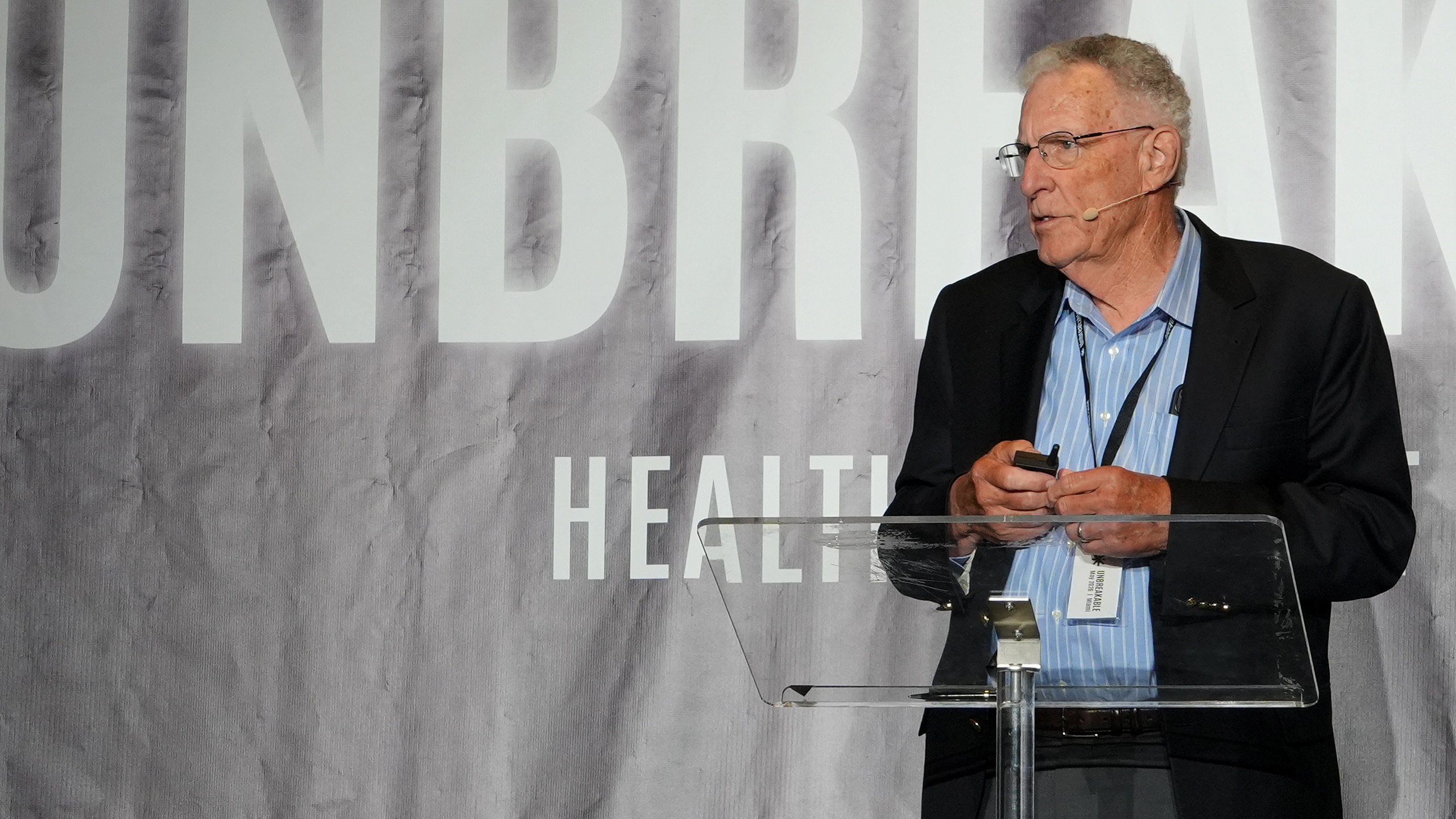
Cancer as a metabolic disease—and the case against the somatic mutation theory
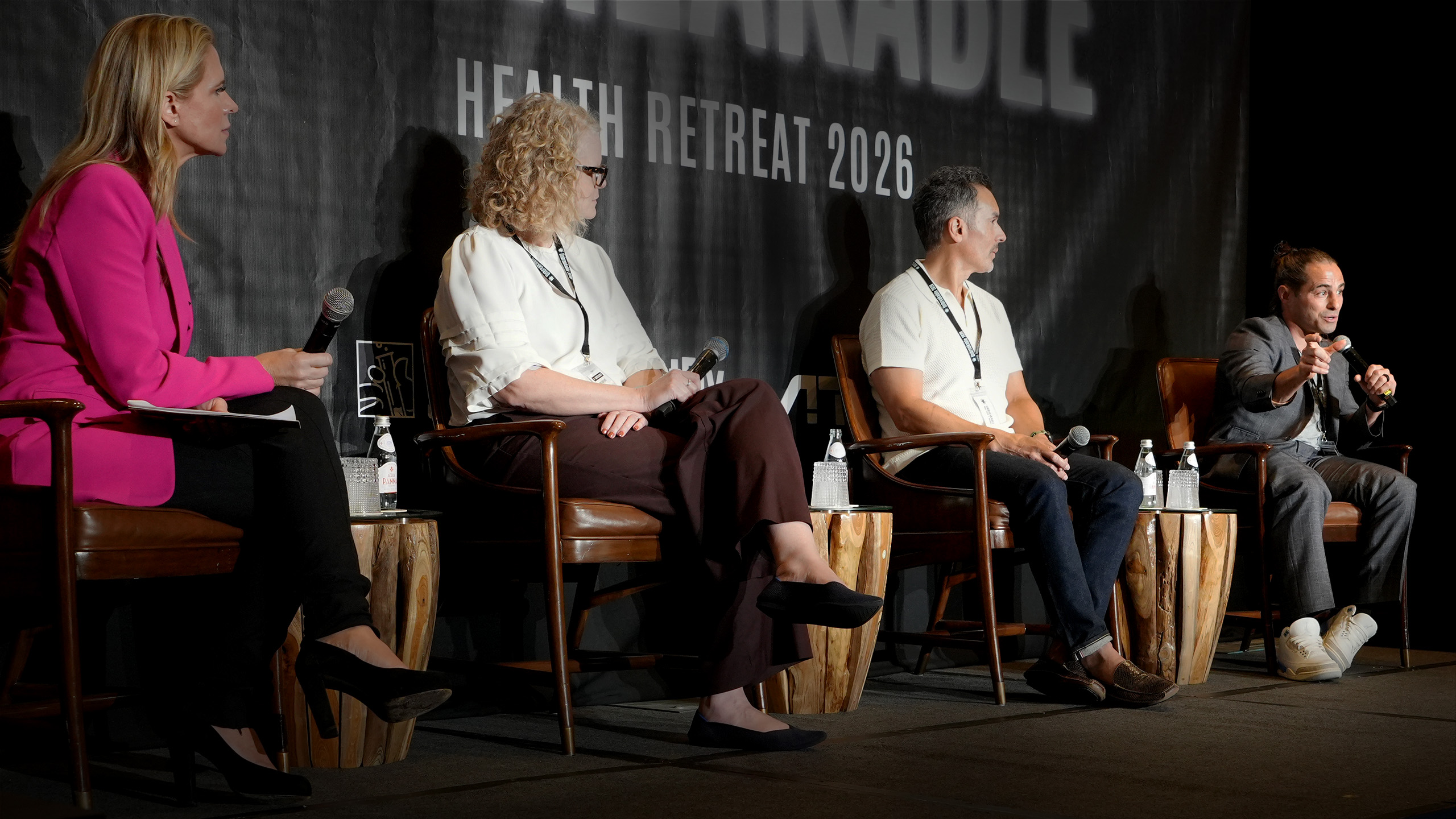
Metabolic health, medical education, and the case for bringing clinicians and coaches together
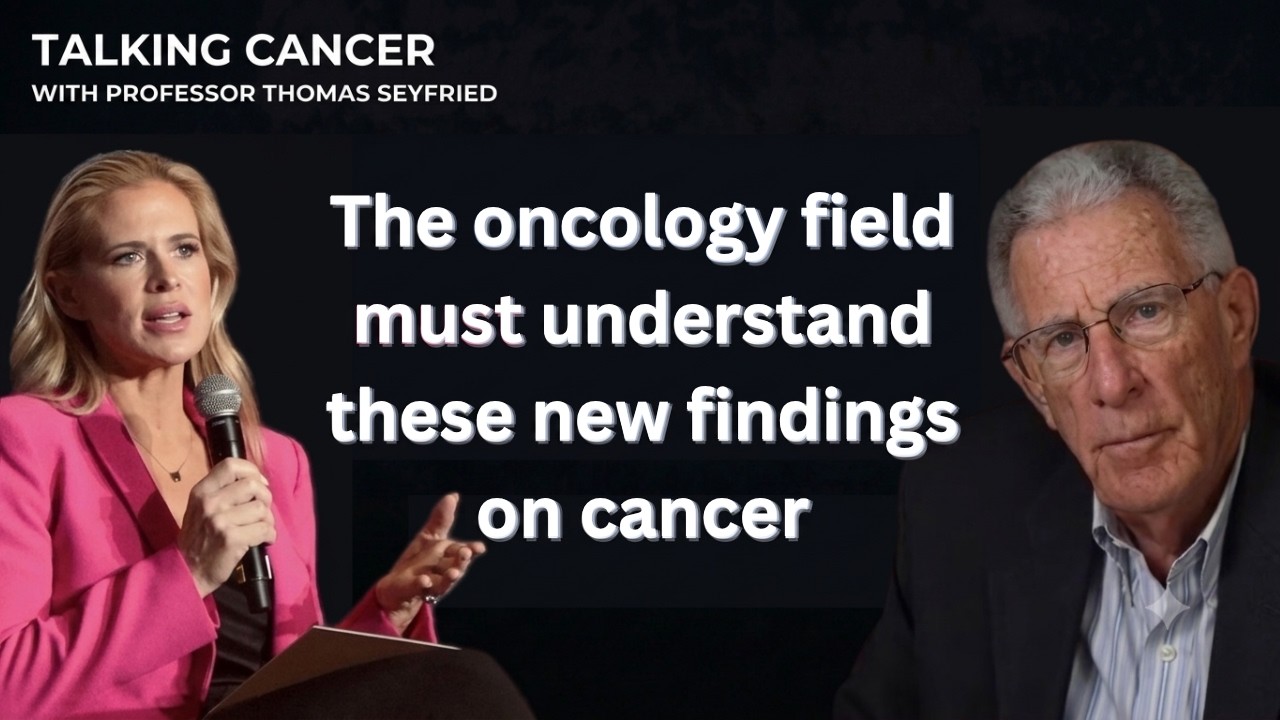
Metabolic therapies, mitochondrial dysfunction, and what’s holding back progress