
What if many of the diseases we treat as completely separate problems actually share the same underlying metabolic dysfunction?
In this conversation, Emily Kaplan and Dr. Thomas Seyfried discuss the case for looking at chronic disease and cancer through the lens of mitochondrial health. Rather than treating cancer, diabetes, dementia, and other conditions as isolated problems, they argue that these diseases may share important metabolic pathways—and that understanding those connections could change how we approach both prevention and treatment.
The conversation also explores why scientific literacy matters when the research itself may be difficult to evaluate. Kaplan discusses examples of scientific misconduct and argues that science should ultimately be judged by whether findings can be replicated and produce meaningful, predictive outcomes—not simply by whether a study produces an impressive result or appears in a prestigious journal.
From ketogenic metabolic therapy and the glucose-ketone index to cancer treatment and medical education, the discussion keeps returning to the same question: what happens when we stop looking at disease in silos and start looking at the biology of the whole system? The answer, they argue, could require not just new treatments, but a different way of understanding science, medicine, and our own health.
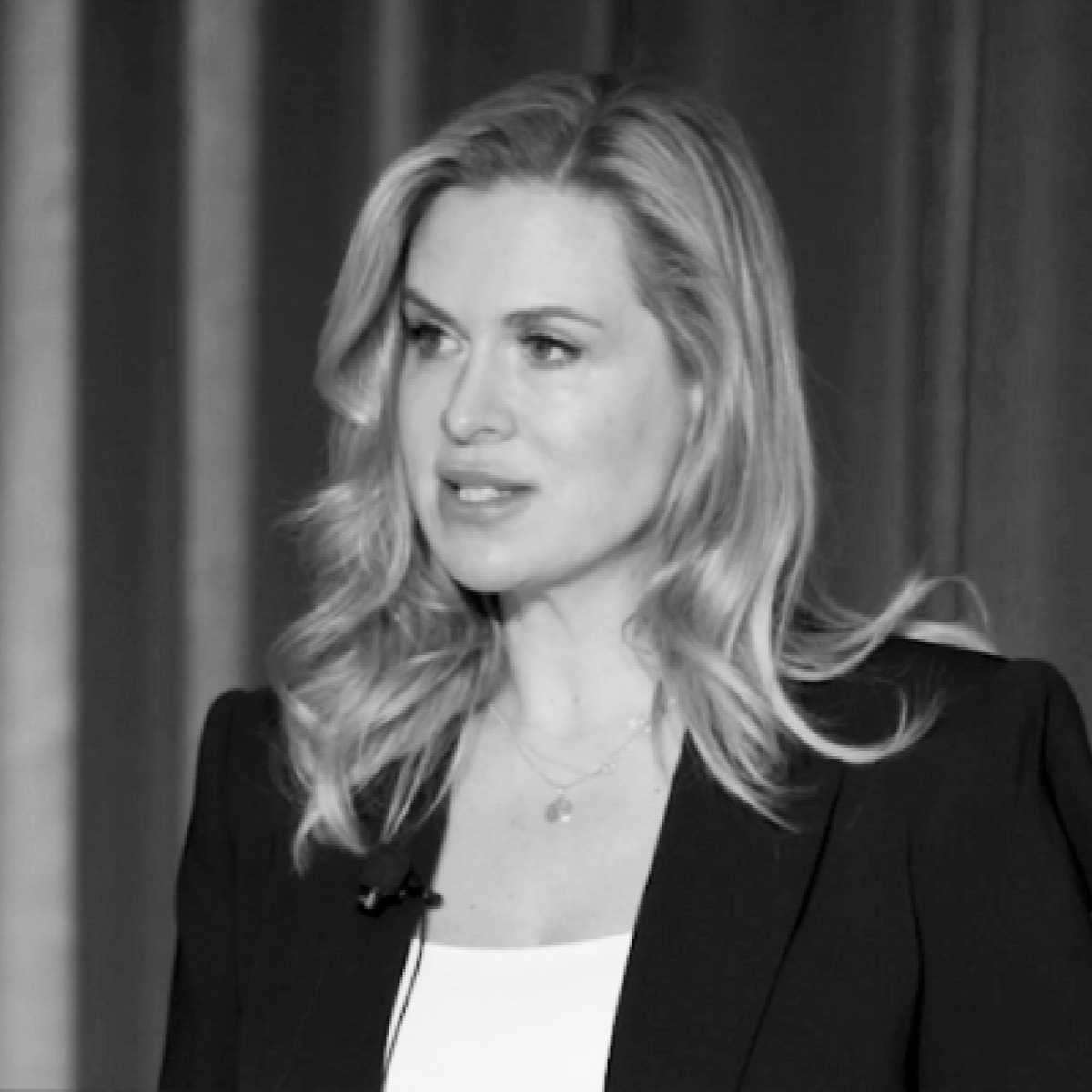
Emily Kaplan is an expert in strategy and communication. As the CEO and Co-founder of The Broken Science Initiative, she is building a platform to educate people on the systemic failings in science, education and health while offering an alternative approach based in probability theory. As the principal at The Kleio Group, Emily works with high profile companies, celebrities, entrepreneurs, politicians and scientists who face strategic communication challenges or find themselves in a crisis.
Emily’s work as a business leader includes time spent working with large Arab conglomerates in the GCC region of the Middle East looking to partner with American interests. Emily acquired Prep Cosmetics, expanded it to become a national chain and revolutionized the way women bought beauty products by offering novel online shopping experiences, which are now the industry standard. She was a partner in a dating app that used the new technology of geolocation to help interested parties meet up in real life. Emily developed Prime Fitness and Nutrition, a women’s health concept that focused on the fitness and diet needs of women as they age, with three physical locations. She was the host of the Empowered Health Podcast, and wrote a column in Boston Magazine by the same name, both of which focused on sex differences in medicine.
Emily is an award winning journalist who has written for national newspapers, magazines and produced for ABC News’ 20/20, Primetime and Good Morning America. She is the author of two business advice books published by HarperCollins Leadership. Emily studied Advanced Negotiation and Mediation at Harvard Law School. She has a Masters of Science from Northwestern University and received a BA in history and psychology from Smith College.

Support the Broken Science Initiative.
Subscribe today →
recent posts
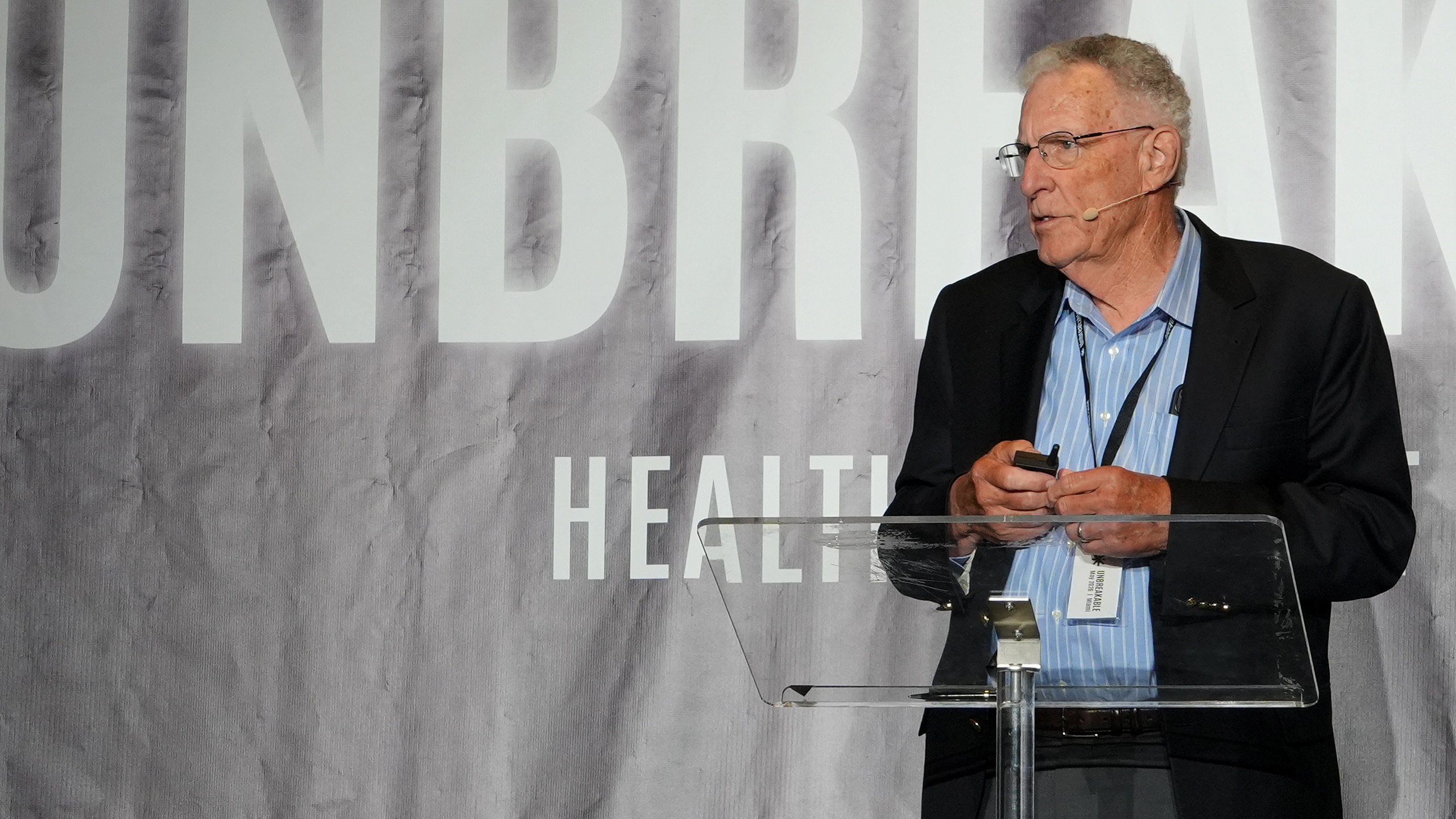
Cancer as a metabolic disease—and the case against the somatic mutation theory
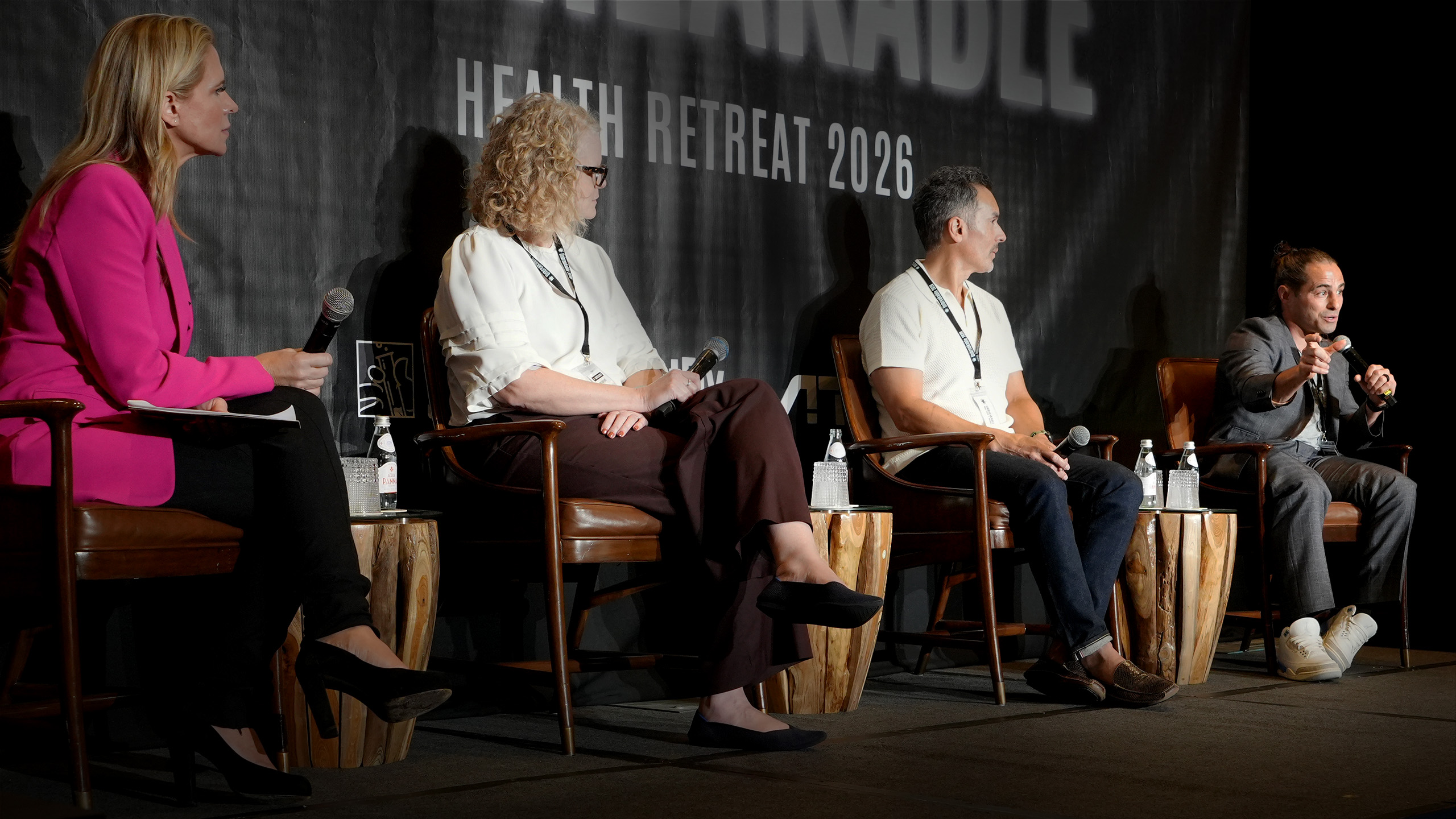
Metabolic health, medical education, and the case for bringing clinicians and coaches together
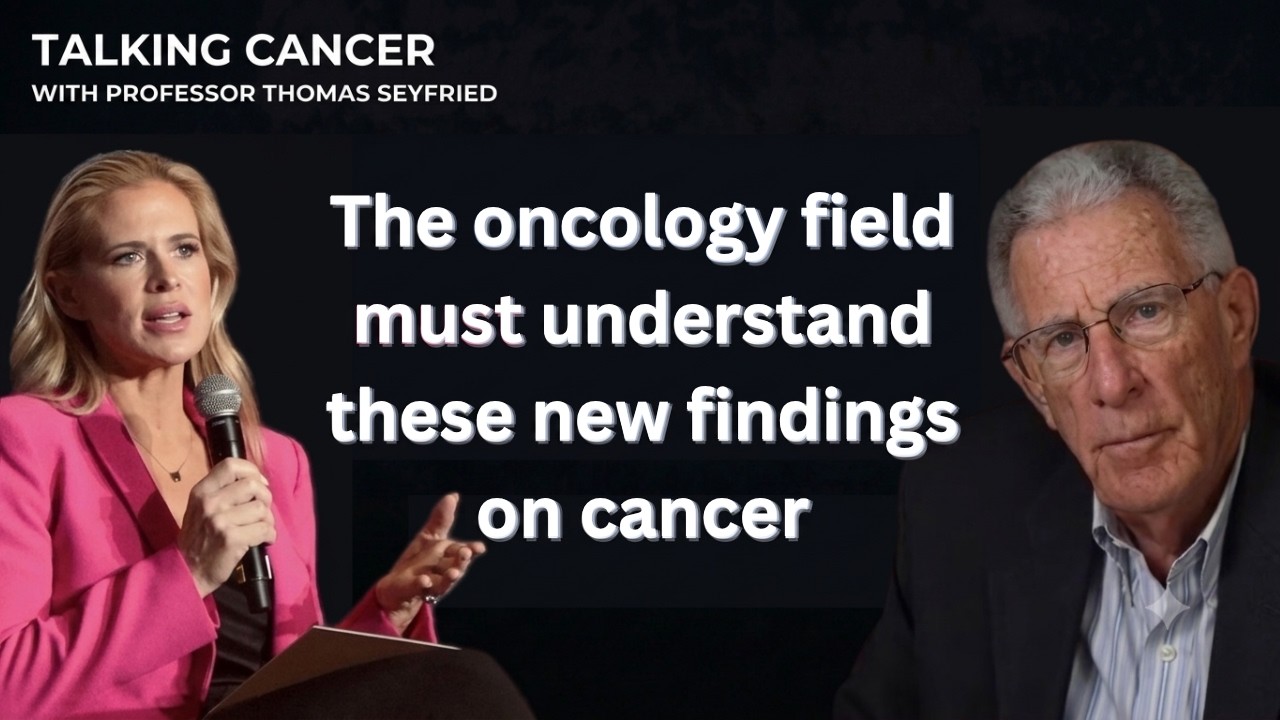
Metabolic therapies, mitochondrial dysfunction, and what’s holding back progress