



The
Daily
Fix

251009

THURSDAY 251009
11 1 2

For load:

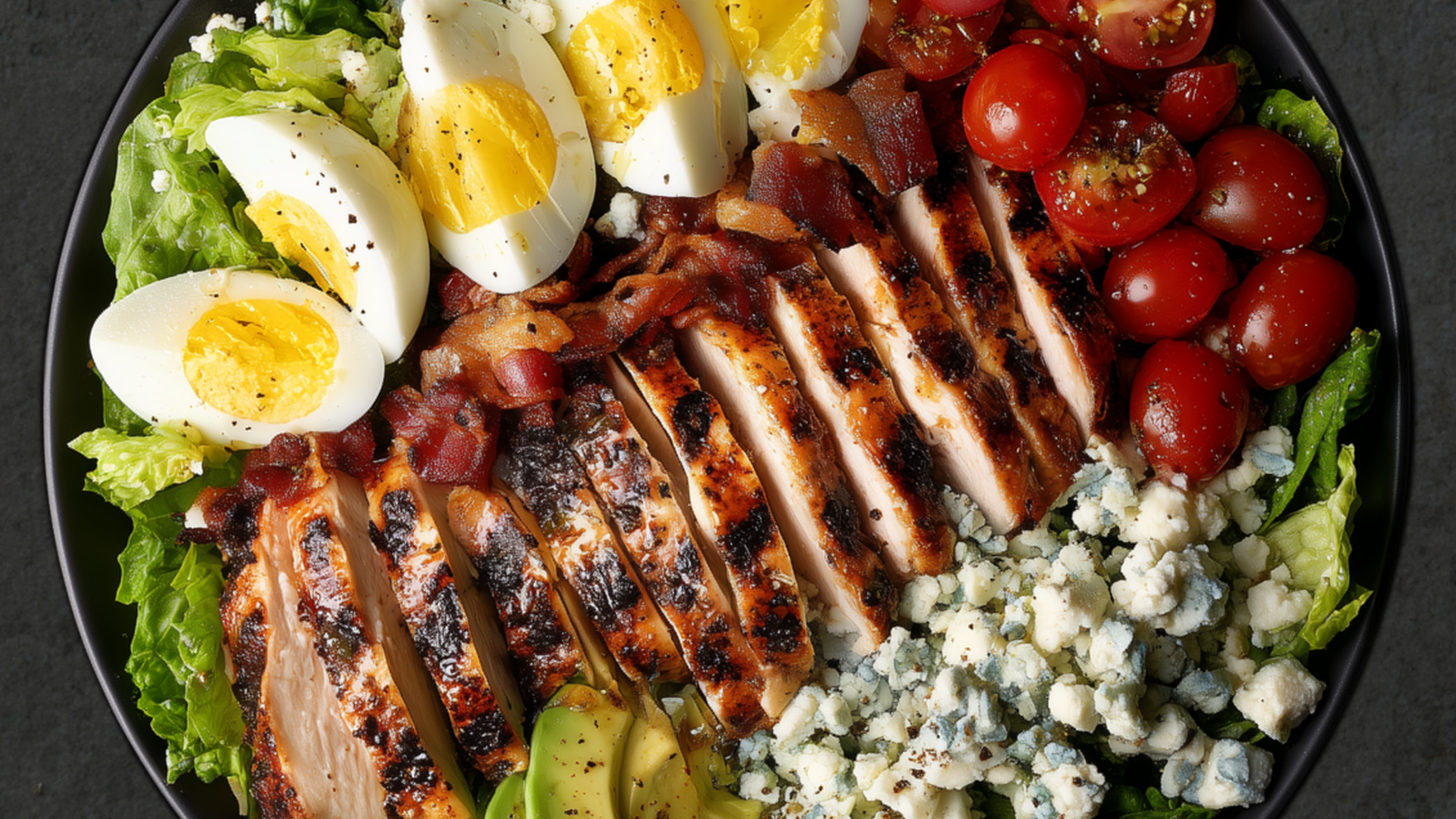
Cobb Salad

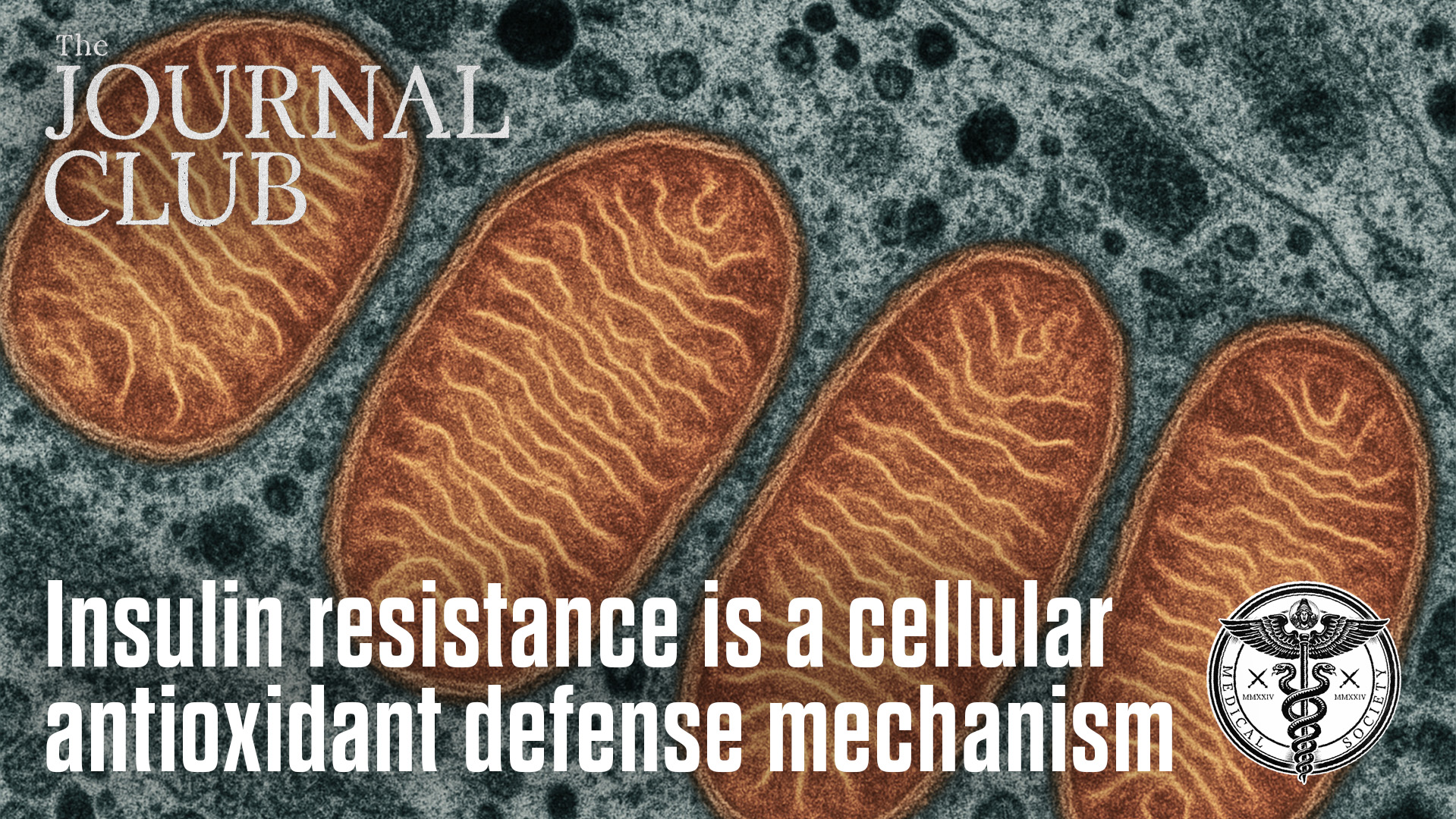
Insulin Resistance as a Defense Mechanism

Article Heading Photo
Photo of Cobb Salad

Deadlift 5-5-3-3-3-1-1-1-1 reps

Classic Cobb salad loaded with crispy bacon, grilled chicken, creamy avocado, and blue cheese over fresh greens, all drizzled with a tangy homemade vinaigrette.
Journal Club Summary

Tab Photo

The
Daily
Fix

Photo of Cobb Salad Article Heading Photo

Attempt to increase loads for each of the 9 sets.

Additionally, stretch for 20 minutes.

Compare to 250913.

Post loads to comments.

Ingredients

½ cup grilled chicken breast, sliced
2 cups chopped romaine lettuce
2 slices bacon, cooked and crumbled
1 hard-boiled egg, sliced
¼ avocado, sliced
2 Tbsp blue cheese crumbles
¼ cup cherry tomatoes, halved
1 Tbsp butter (melted, for cooking chicken)

For the Vinaigrette:
1½ Tbsp olive oil
1 Tbsp red wine vinegar
½ tsp Dijon mustard
¼ tsp garlic powder
Salt and pepper, to taste

Macronutrients

Protein: 38 g
Fat: 46 g
Carbs: 8 g

Preparation

On a large plate or in a wide bowl, arrange chopped romaine lettuce (2 cups) as the base.

Season both sides of the chicken breast with salt and pepper, then place it in a hot skillet with a little butter. Cook for 5–7 minutes per side, or until golden brown. When finished cooking, cut the chicken into slices.

Neatly arrange grilled chicken breast slices (½ cup), crumbled bacon (2 slices), sliced hard-boiled egg (1), sliced avocado (¼), blue cheese crumbles (2 Tbsp), and halved cherry tomatoes (¼ cup) in rows over the greens.

In a small bowl, whisk together olive oil (1½ Tbsp), red wine vinegar (1 Tbsp), Dijon mustard (½ tsp), garlic powder (¼ tsp), and a pinch of salt and pepper until emulsified.

Drizzle the vinaigrette over the salad just before serving.

On August 29, 2025, the BSI Medical Society Journal Club, hosted by Bob Kaplan with contributions from Pete Shaw, examined “Insulin Resistance is a Cellular Antioxidant Defense Mechanism” (Hoehn et al., 2009), a paper proposing that insulin resistance (IR) may serve as a protective cellular response to nutrient excess rather than a pathological defect. The discussion highlighted that across multiple experimental models—chronic insulin exposure, inflammation, corticosteroids, and lipid overload—insulin resistance coincided with increased mitochondrial reactive oxygen species (ROS), particularly superoxide. Hoehn’s team demonstrated that reducing mitochondrial ROS through uncouplers, electron transport chain inhibitors, or mitochondria-targeted antioxidants restored insulin sensitivity, while inducing ROS directly could trigger IR. The group underscored how these findings place mitochondrial ROS at the crossroads of energy metabolism and signaling, reframing insulin resistance as an adaptive mechanism to limit further nutrient influx and oxidative stress when cells are energetically saturated.

To broaden this framework, Bob and Pete connected Hoehn’s findings to the companion paper “ROS Are Good” (Mittler, 2017), which argues that ROS are not merely toxic byproducts but essential signaling molecules required for cellular proliferation, differentiation, and metabolic regulation. Together, the two studies highlight a continuum of redox biology in which ROS serve as both life-supporting signals and protective brakes against energy overload. In this light, insulin resistance represents the complementary “energy surplus” signal—a redox-based mechanism that protects mitochondria from excessive substrate flux. The presenters also examined the nuanced implications for diet, fat quality, and antioxidant therapy, warning that indiscriminate ROS suppression might impair essential signaling. Participants reflected on how this reframing challenges conventional approaches to diabetes treatment, suggesting that insulin resistance may be a context-dependent, protective response rather than a simple metabolic failure.

A 10-minute summary of the webinar is available here free, for anyone, while the full video is available for Medical Society Members and MetFix affiliates in their dashboard.

Watch

COMMENTS

11 COMMENTS 2 COMMENTS 1 COMMENT SHARE LOGIN PRINT
Sherb October 09, 2025 | 09:16 EST
5s - 405/445
3s = 465/485/505
1s = 515/525/535/550
CoachSroka8 October 09, 2025 | 08:10 EST
29/M/5’8/81kg
In KG:
95 x 5, 115 x 5, 132.5 x 3, 152.5 x 3, 170 x 3, 175 x 1, 180 x 1, 185 x 1, 190 x 1
Was smarter today with how I built up. Managed 5 more kg on the top set today, then the 250913 workout
Ethan Rush October 09, 2025 | 09:33 EST
185 - 205
225 - 245 - 265
275 - 285 - 295 - 305
Pete Shaw October 09, 2025 | 09:36 EST
Edited
36/M/6’1/221
325-375
415-415-415
445-445-465-485
- 10lb increase on every set from 20250913
Pat McElhone October 09, 2025 | 11:52 EST
51/M/5’9”/163
135-165
195-225-245
265-285-295-305
Hollis Molloy October 10, 2025 | 11:32 EST
8:30 class at MetFix Santa Cruz
Ben 195-195-235-235-235-275-275-275-275
Steve 185-185-225-225-225-245-245-245-245
Pete Shaw October 09, 2025 | 08:12 EST
BAKING-SHEET SCALING CLUB
(Except not baking sheet because it’s a salad)
1. Layer romaine on plate. Top with chicken, bacon, egg, avocado, cheese, tomatoes.
2. Whisk oil, vinegar, salt, pepper. Drizzle over.
Paulina Braden October 09, 2025 | 08:28 EST
This was my favorite Journal Club. It's helped me reframe and understand different mechanisms that ROS is responsible for, especially with it usually being portrayed as a solely negative response.
Pete Shaw October 09, 2025 | 10:53 EST
The coolest part about this is the nuanced view of insulin resistance. We have been taught that IR is a bad thing. But here it's reframed as a defence mechanism against nutrient overload. Looking at the trajectory of obesity and downstream chronic disease, is the insulin sensitivity that kicks off the fat accumulation and a LACK of IR signal to stop the ingress of nutrients. The SYSTEMIC IR is how we typically think about the condition but it's important to understand the upstream mechanisms that lead to this state.
Log In to leave a comment - Log In?
Go to Top