



The
Daily
Fix

251202

TUESDAY 251202
0 0 1

7 rounds for time:

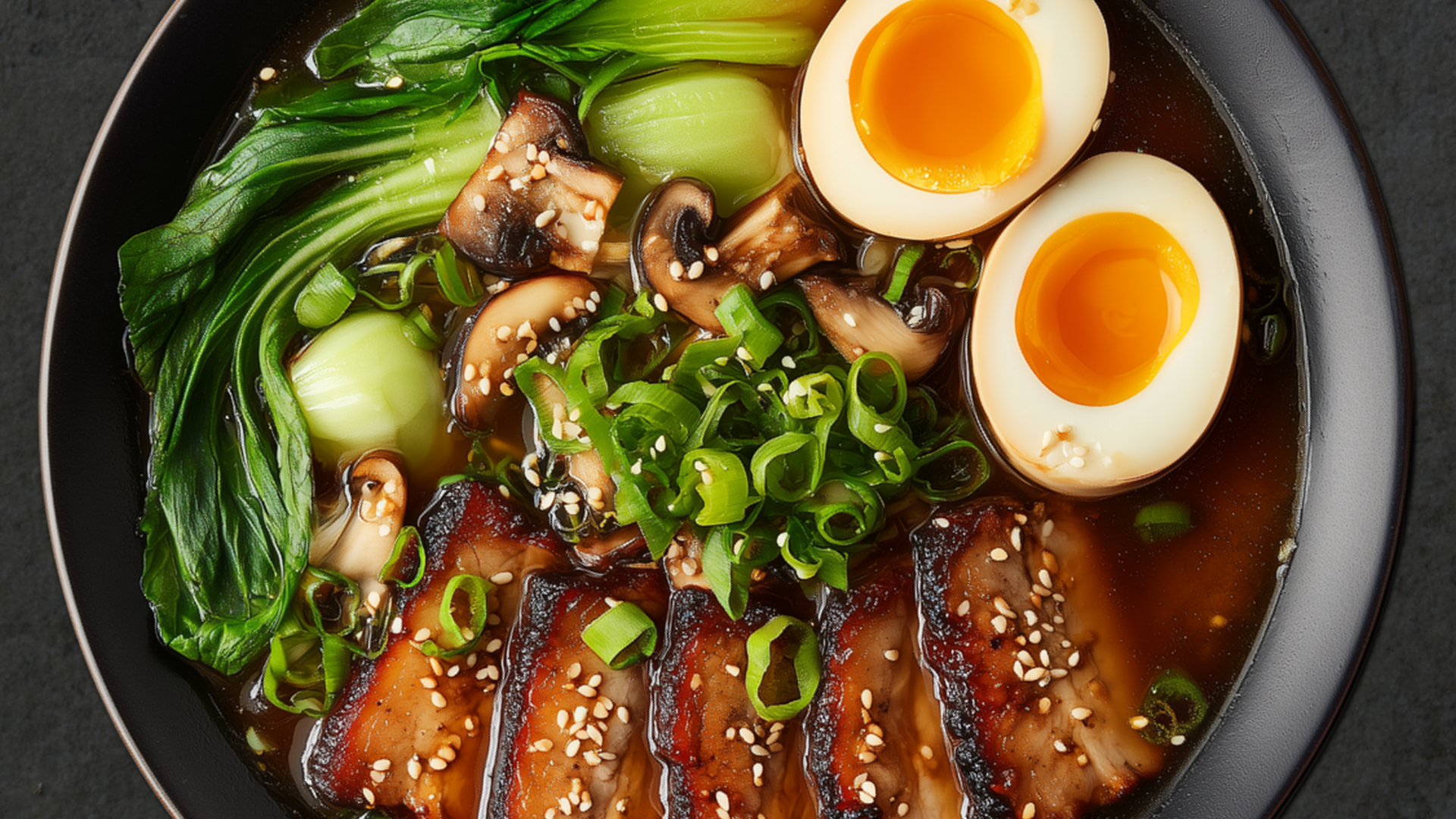
Tonkotsu Pork Ramen (Without Noodles)

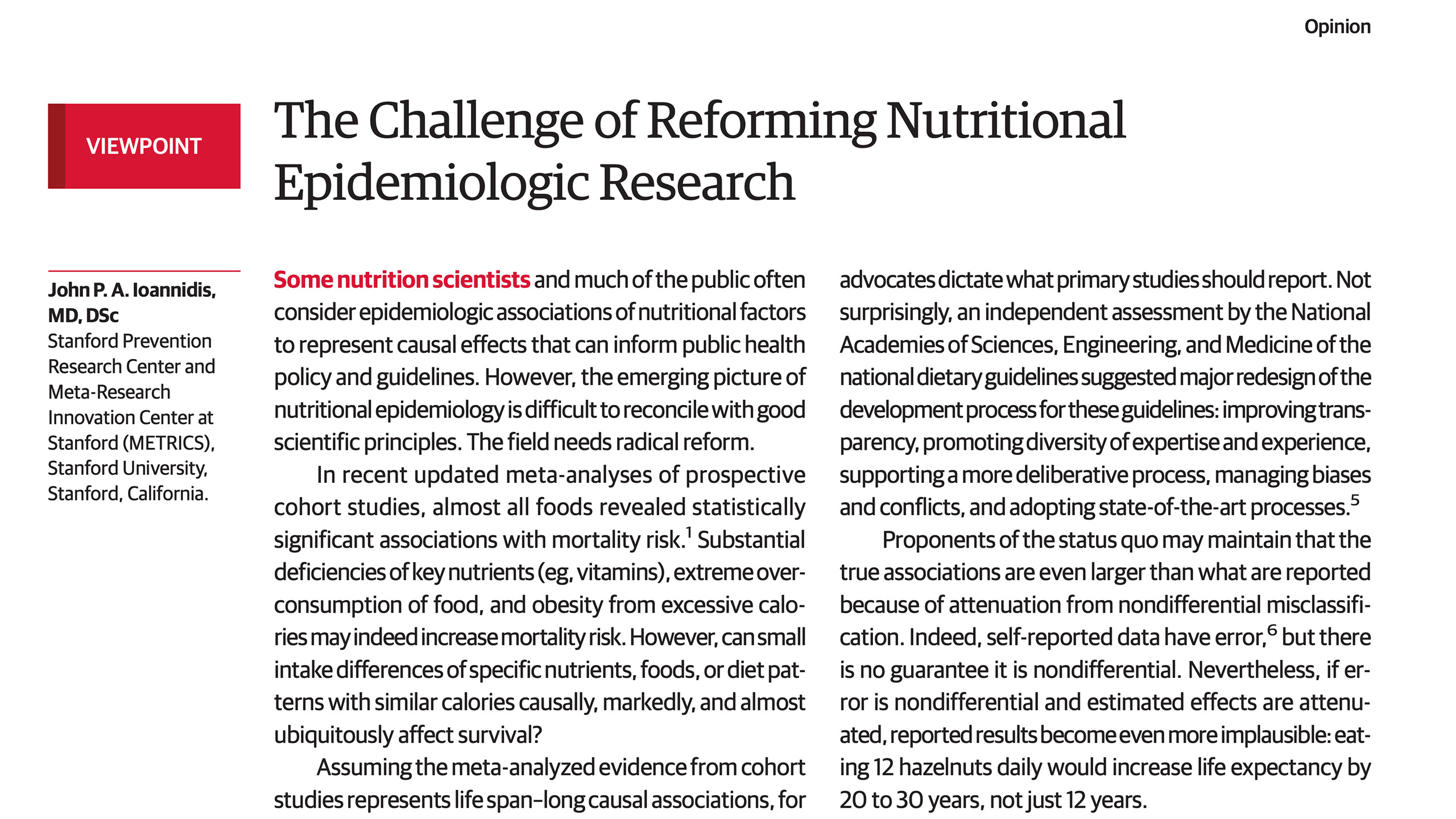
The Challenge of Reforming Nutritional Epidemiologic Research

Article Heading Photo
Photo of Tonkotsu Pork Ramen (Without Noodles)

400-meter run
20 hip extensions
10 strict knees-to elbows

A rich, slow-simmered pork bone broth served with tender pork belly, soft-boiled eggs, and veggies.
The field routinely produces implausible findings and urgently needs structural reform.

Tab Photo

The
Daily
Fix

Photo of Tonkotsu Pork Ramen (Without Noodles) Article Heading Photo

Additionally, stretch for 20 minutes.

Post time to comments.

Ingredients

For the Broth (Tonkotsu-style):
2 lbs pork neck bones or pork femur bones
1 onion, halved
4 garlic cloves, smashed
1-inch knob ginger, sliced
1 Tbsp apple cider vinegar (to extract minerals)
10 cups water
Salt, to taste

For the Toppings:
6 oz pork belly, sliced
2 eggs (soft-boiled)
½ cup bok choy, halved
¼ cup shiitake mushrooms, sliced
1 green onion, chopped
1 tsp toasted sesame oil (for finishing)
1 tsp coconut aminos or tamari (optional, for salt & depth)
Optional: chili oil or crushed red pepper

Macronutrients
(makes 4 servings)

Protein: 30g
Fat: 26g
Carbs: 2g

Preparation

Make the broth: In a large stockpot, cover pork bones with water, bring to a boil for 10 minutes, then drain and rinse the bones. Refill pot with 10 cups fresh water, add bones, onion, garlic, ginger, and vinegar. Simmer uncovered for 8–12 hours (the longer, the richer). Strain the broth and season with salt and coconut aminos or tamari.

Cook the pork belly: In a skillet over medium-high heat, sear pork belly slices until browned and crisp on both sides (about 3–4 minutes per side). Set aside.

Prepare the soft-boiled eggs: Boil eggs for 6–7 minutes. Transfer to ice bath, peel, and slice in half.

Blanch vegetables: Briefly blanch bok choy and mushrooms in the hot broth for 2–3 minutes until tender.

Assemble the bowl: Ladle hot broth into a bowl. Add seared pork belly, soft-boiled egg halves, bok choy, and mushrooms. Garnish with green onion, a drizzle of sesame oil, and chili oil if desired.


John Ioannidis critiques nutritional epidemiology for generating highly confounded, often biologically implausible associations that are frequently misinterpreted as causal. He highlights meta-analyses in which nearly every food appears to meaningfully raise or lower mortality risk—sometimes to absurd degrees—showing how residual confounding, selective reporting, and correlated dietary patterns undermine the credibility of observational findings. Ioannidis stresses that even biomarker-based studies and high-profile trials have struggled to produce reliable, reproducible results.

He calls for sweeping reform: full data transparency, standardized analyses, independent re-evaluation of large cohorts, and far greater caution in translating observational findings into public policy. He warns that the current model confuses the public, distorts dietary guidelines, and diverts attention from more clear-cut health threats. Ultimately, Ioannidis argues that nutritional epidemiology should rebuild itself on more rigorous methods, better-designed trials, and openly shared data to regain scientific credibility.

Read More

COMMENTS

0 COMMENTS 1 COMMENT 0 COMMENTS SHARE LOGIN PRINT
Paulina Braden December 01, 2025 | 19:53 EST
Nutritional epidemiology is basically the poster child for mixing up correlation with causation. Ioannidis points out that almost every food somehow ‘predicts’ mortality in these studies — which should tell you how messy and biased the data really is. Too many confounders, too much guesswork. It’s a good reminder of what we always talk about here: you have to understand the whole system, not blame or praise single foods. Real causation comes from physiology, not food-frequency surveys.
Log In to leave a comment - Log In?
Go to Top