



The
Daily
Fix

251226

FRIDAY 251226
2 1 0

7-minute AMRAP

Beef Bourguignon

Hereditary Cancer Syndromes and Mitochondrial Dysfunction

Article Heading Photo
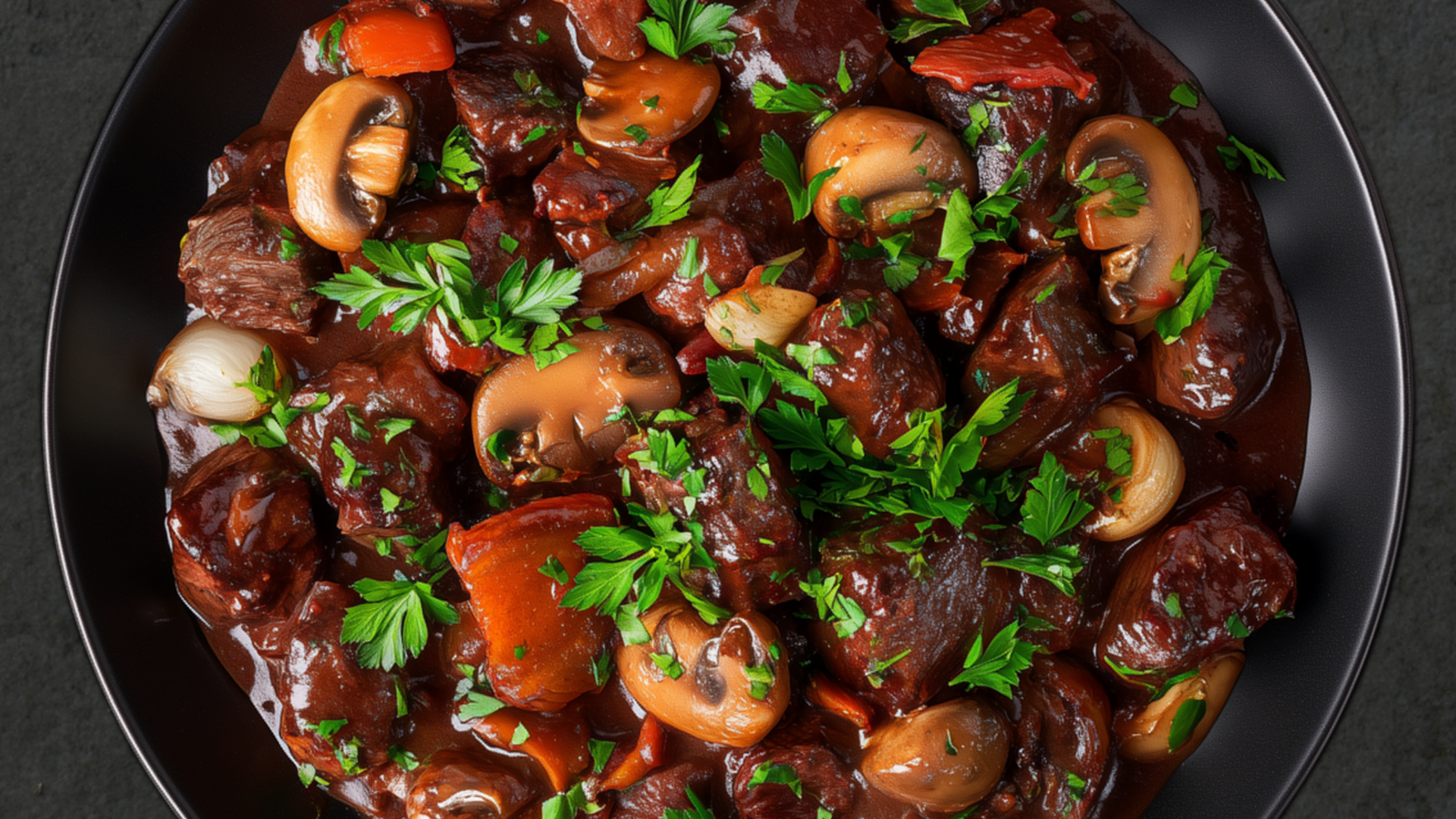
Photo of Beef Bourguignon

Complete as many reps as possible in 7 minutes of:

Bodyweight clean and jerk

Tender beef simmered in a rich red wine and beef broth reduction with mushrooms, bacon, and herbs.
New review challenges the genetic-only model of inherited cancer risk

Tab Photo

The
Daily
Fix

Photo of Beef Bourguignon Article Heading Photo

Additionally, practice scales for 20 minutes.

Compare to 250922.

Ingredients

For the Stew:
2 lb beef chuck roast, cut into 1 ½-inch cubes
4 oz thick-cut bacon, diced
3 Tbsp butter or beef tallow (for searing)
2 cups mushrooms, quartered
1 medium onion, diced
2 cloves garlic, minced
1 cup dry red wine (full-bodied, keto-friendly)
1 ½ cups beef broth (unsalted)
2 Tbsp tomato paste
1 tsp fresh thyme (or ½ tsp dried)
2 bay leaves
Salt and black pepper, to taste

For Thickening (optional):
2 oz cream cheese (adds creaminess while keeping carbs low)

Optional Garnish:
Fresh parsley, chopped

Macronutrients
(per serving, serves 6)

Protein: 33g
Fat: 39g
Carbs: 5g

Preparation

In a large Dutch oven or heavy pot, cook diced bacon over medium heat until crispy. Remove with a slotted spoon and set aside, leaving rendered fat in the pot.

Add 2 Tbsp butter or tallow to the pot. Working in batches, sear beef cubes 2–3 minutes per side until browned. Remove and set aside.

Add onion, garlic, and mushrooms to the pot with remaining fat. Cook 4–5 minutes until softened. Stir in tomato paste and cook 1 minute.

Pour in red wine, scraping up browned bits. Add beef broth, thyme, bay leaves, salt, and pepper. Return beef and bacon to the pot. Bring to a boil, then reduce heat to low, cover, and simmer 1 ½–2 hours until beef is fork-tender.

Stir in cream cheese (if using) for a thicker, creamier sauce. Adjust seasoning to taste.

Garnish with parsley and serve hot.

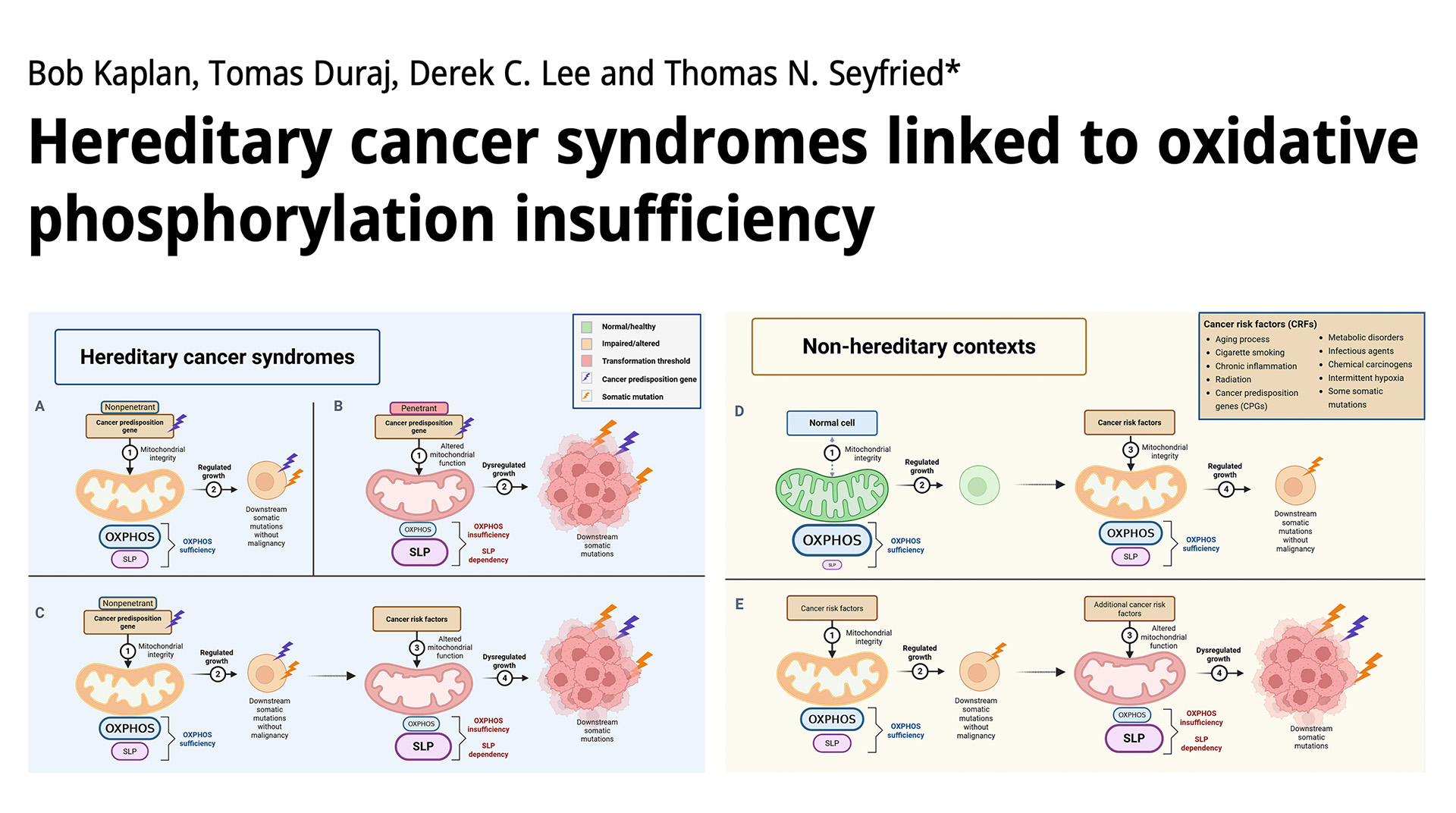
Co-authored by BSI’s Bob Kaplan, this review examines hereditary cancer syndromes through a metabolic lens, arguing that inherited gene mutations increase cancer risk primarily by impairing mitochondrial oxidative phosphorylation rather than acting as direct genetic causes. Surveying more than a dozen well-characterized syndromes, the authors show that none are fully penetrant and that nearly all are associated with mitochondrial dysfunction, oxidative stress, and a shift toward substrate-level phosphorylation—core features of the mitochondrial metabolic theory of cancer.

From this perspective, inherited mutations function as secondary risk factors that destabilize cellular energy production, creating conditions that permit malignant transformation. The authors conclude that cancer risk in hereditary syndromes may be biologically modifiable through interventions that support mitochondrial function, rather than an unavoidable genetic outcome.

Read More

COMMENTS

2 COMMENTS 0 COMMENTS 1 COMMENT SHARE LOGIN PRINT
Russell Berger December 26, 2025 | 10:30 EST
Scaled to one-arm dumbbell muscle clean and jerk, 45 lbs.
70 reps.
Couldn't go heavier without discomfort in my non-working shoulder.
Pat McElhone December 26, 2025 | 13:21 EST
52/M/165
@165
6reps in 7min
This was a heavy workout for me today
RACHEL STEADMAN December 29, 2025 | 09:13 EST
A really hearty, warming winter stew. So filling and delicious!
Log In to leave a comment - Log In?
Go to Top