



The
Daily
Fix

260116

FRIDAY 260116
2 0 0

7 rounds for time:

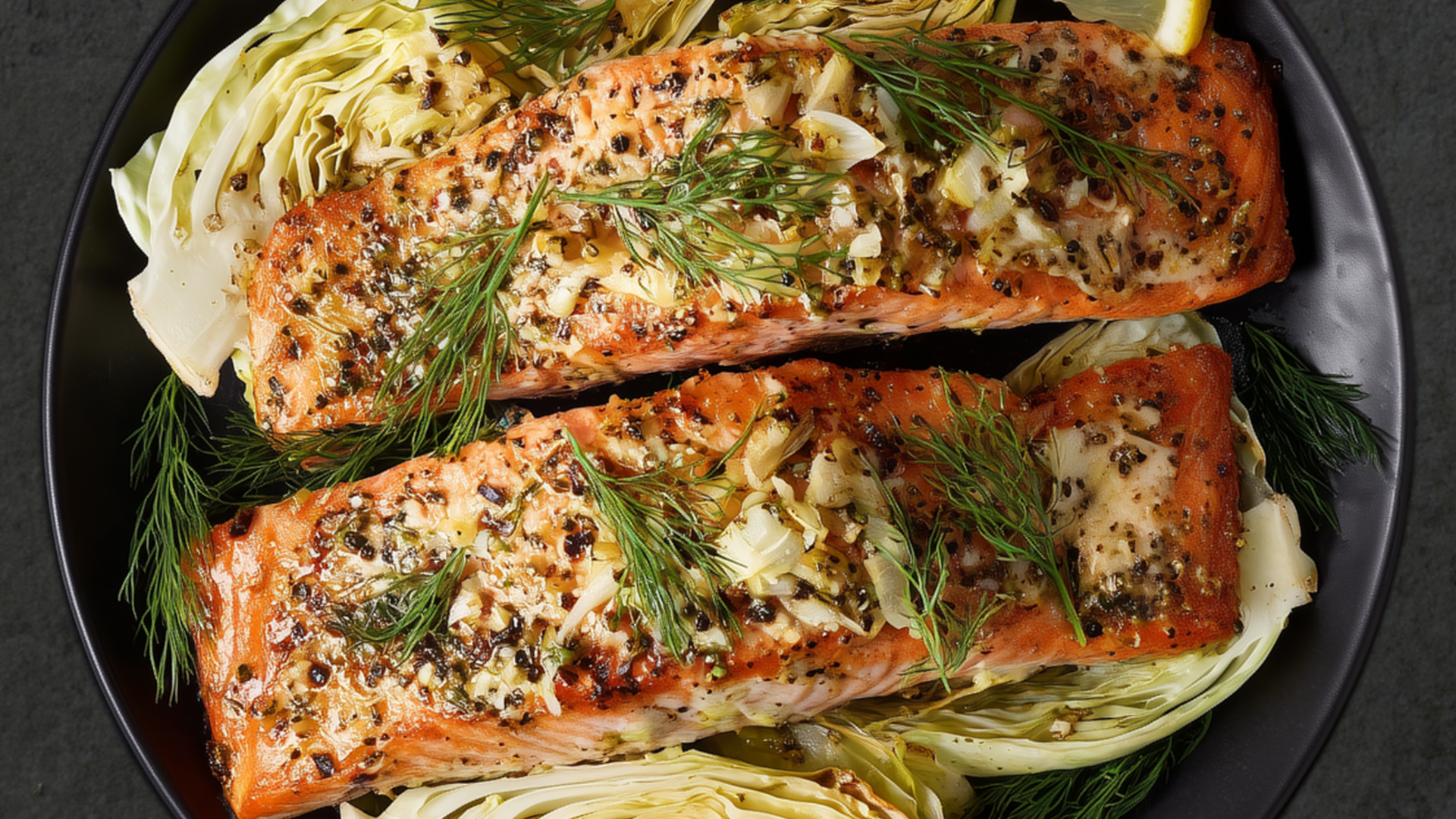
Lemon Pepper Salmon with Roasted Cabbage

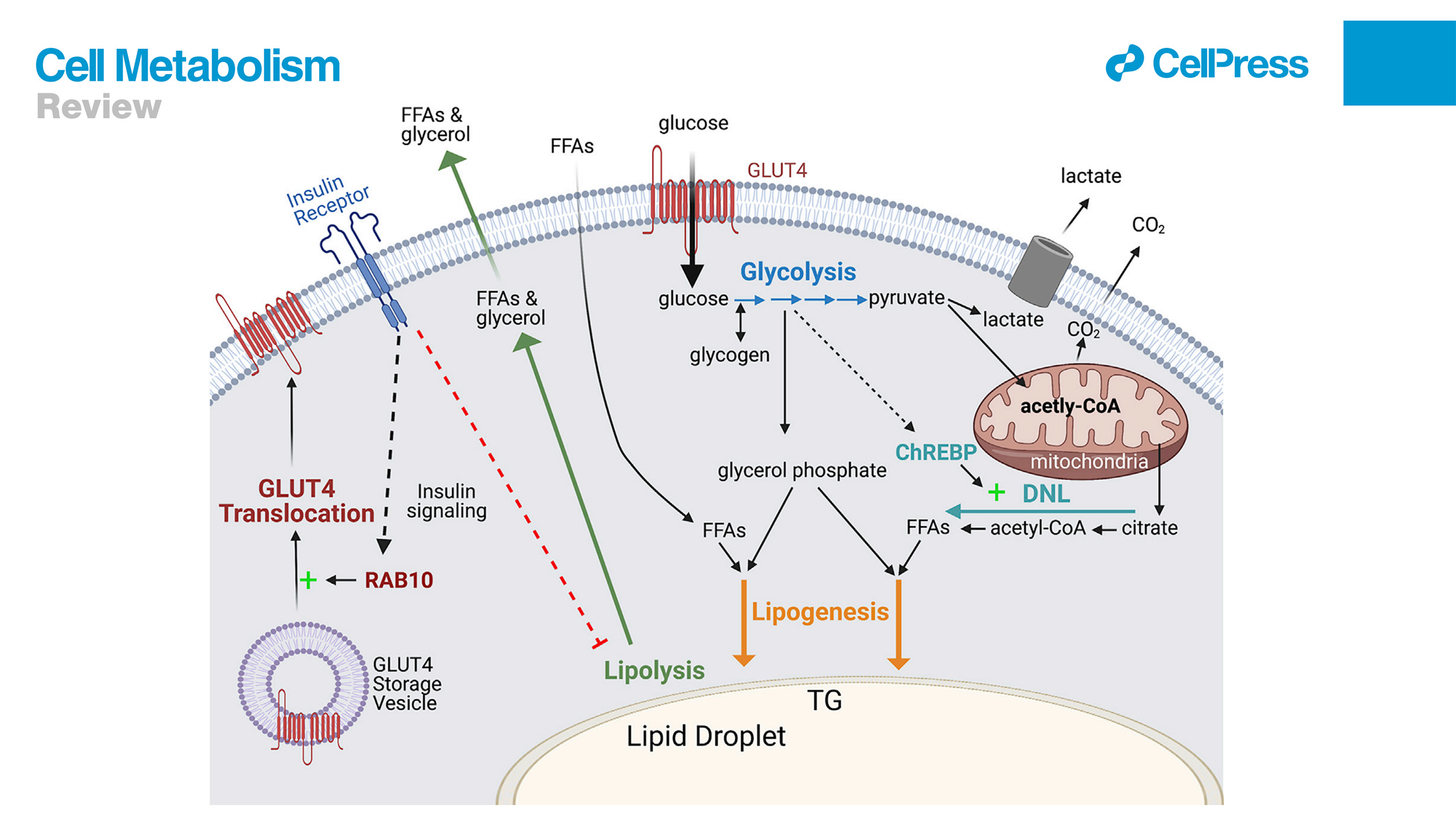
Insulin action in adipocytes, adipose remodeling, and systemic effects

Article Heading Photo
Photo of Lemon Pepper Salmon with Roasted Cabbage

21 squat cleans
Run 400 meters

Zesty lemon pepper salmon fillets paired with soy-marinated roasted cabbage.
How fat tissue governs whole-body insulin sensitivity

Tab Photo

The
Daily
Fix

Photo of Lemon Pepper Salmon with Roasted Cabbage Article Heading Photo

Use ½ bodyweight for the cleans.

Post time and bodyweight to comments.

Ingredients

For the Salmon:
4 salmon fillets (6 oz each, skin-on or skinless)
2 Tbsp butter or beef tallow (for searing/roasting)
2 tsp lemon pepper seasoning (no sugar added)
Zest of 1 lemon
Salt, to taste

For the Cabbage:
1 small green cabbage, cut into thick wedges
2 Tbsp soy sauce or coconut aminos (unsweetened)
2 Tbsp olive oil or melted butter
Juice of ½ lemon
Salt, to taste

Optional Garnish:
Fresh parsley or dill
Lemon wedges

Macronutrients
(per serving, makes 4)

Protein: 44g
Fat: 36g
Carbs: 7g

Preparation

Preheat oven to 425°F. In a bowl, whisk together soy sauce, olive oil (or butter), lemon juice, and salt. Brush mixture over cabbage wedges. Arrange on a parchment-lined baking sheet.

Roast for 20–25 minutes, flipping halfway through, until edges are caramelized and tender.

Pat salmon fillets dry and season with lemon pepper, lemon zest, and salt.

In a large oven-safe skillet, heat 2 Tbsp butter or tallow over medium-high. Sear salmon 2–3 minutes per side until golden. Transfer skillet to oven and roast 6–8 minutes, until salmon is just cooked through and flakes easily.

Plate salmon with roasted cabbage. Garnish with parsley, dill, or lemon wedges.

This review argues that adipose tissue is not a passive storage site but a primary regulator of systemic metabolism. Proper insulin action in adipocytes enables safe energy storage, suppresses inappropriate fat release, and supports healthy endocrine signaling—helping maintain stable glucose and lipid levels throughout the body.

When adipose tissue can no longer remodel effectively—because fat cells become overfilled, inflamed, or fibrotic—insulin’s control over fat storage and lipolysis breaks down. The result is spillover of fatty acids and inflammatory signals into circulation, promoting ectopic fat deposition in liver and muscle and driving whole-body insulin resistance and metabolic disease.

Read More

COMMENTS

2 COMMENTS 0 COMMENTS 0 COMMENTS SHARE LOGIN PRINT
Pat McElhone January 17, 2026 | 08:50 EST
2x15# DB Cleans
Treadmill
25:41
troybruun January 18, 2026 | 19:59 EST
7rds: 21:40
21 Goblet Sqt (35lbs)
24 cal Echo
*coming off shoulder impingement
Log In to leave a comment - Log In?
Go to Top