



The
Daily
Fix

260226

THURSDAY 260226
5 1 0

For load:

Bacon-Wrapped Scallops with Green Beans

Trapped Fat

Article Heading Photo
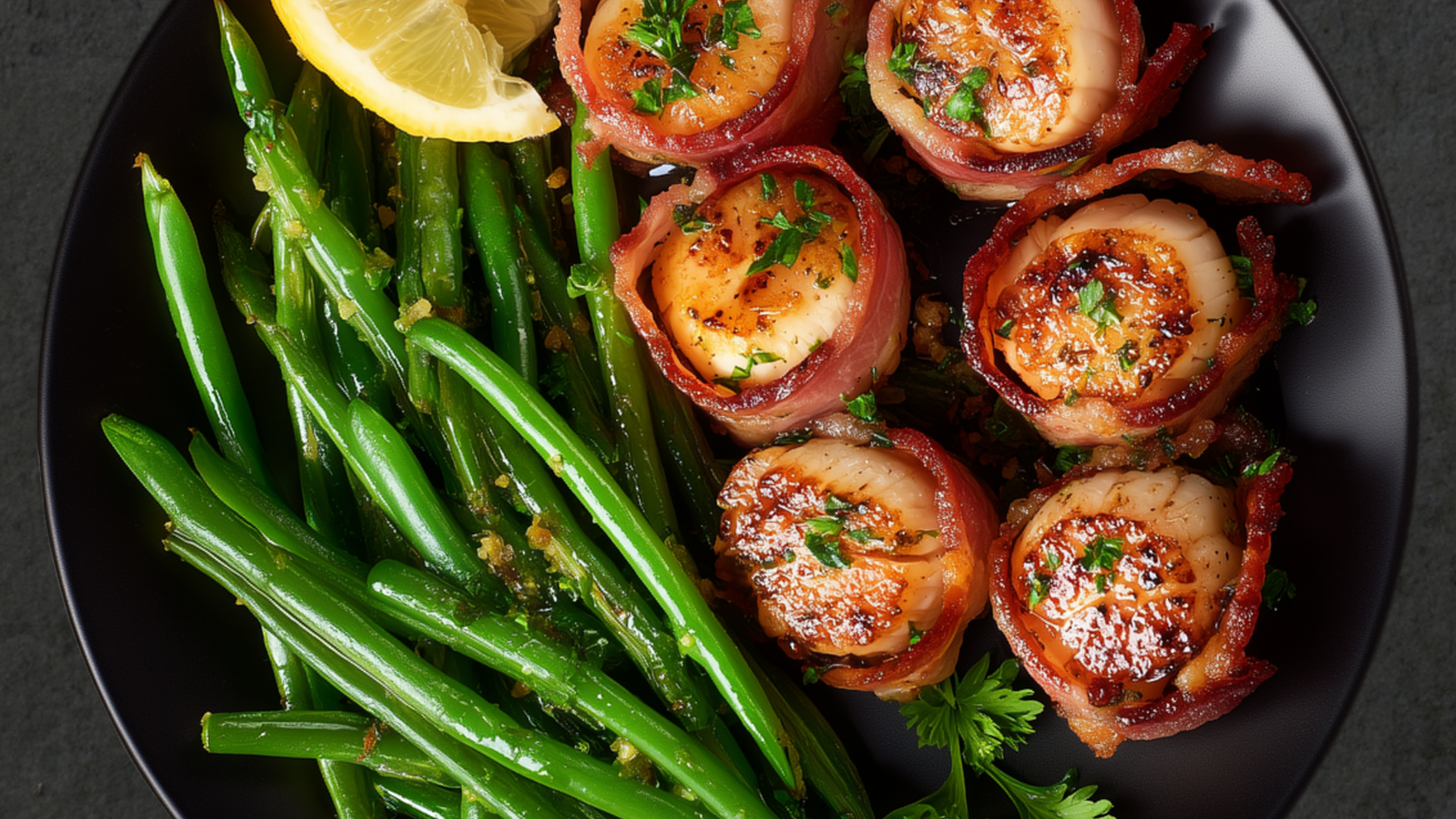
Photo of Bacon-Wrapped Scallops with Green Beans

Front squat 3-3-3-3-3-3-3 reps

Tender scallops wrapped in smoky bacon, oven-roasted until crisp, and served alongside buttery garlic green beans.
Obesity pathogenesis as an intrinsic disorder in metabolic fuel partitioning

Tab Photo

The
Daily
Fix

Photo of Bacon-Wrapped Scallops with Green Beans Article Heading Photo

Additionally, practice handstands for 20 minutes.

Post loads to comments.

Compare to 260120.

Ingredients

For the Scallops:
12 large sea scallops (about 1 lb)
6 slices bacon, cut in half
2 Tbsp butter or tallow (melted, for brushing)
1 clove garlic, minced
½ tsp smoked paprika
Salt and black pepper, to taste
Toothpicks (for securing bacon)

For the Green Beans:
1 lb fresh green beans, trimmed
1 Tbsp butter or tallow
2 cloves garlic, minced
1 tsp lemon zest
Salt and black pepper, to taste

Optional Garnish:
Fresh parsley, chopped
Lemon wedges

Macronutrients
(per serving, makes 4)

Protein: 29g
Fat: 15g
Carbs: 12g

Preparation

Set the oven to 400°F and line a baking sheet with parchment paper.

Pat scallops dry and season lightly with salt and pepper. Wrap each scallop with half a slice of bacon, securing with a toothpick. Place on the baking sheet.

Mix melted butter with garlic and smoked paprika. Brush over scallops. Roast for 12–15 minutes, flipping halfway, until bacon is crisp and scallops are opaque (internal temp 125–130°F).

While scallops roast, heat butter in a skillet over medium. Add garlic, cook for 30 seconds, then toss in green beans. Sauté 4–5 minutes until tender-crisp. Season with lemon zest, salt, and pepper.

Arrange scallops on a platter with green beans. Garnish with parsley and lemon wedges.

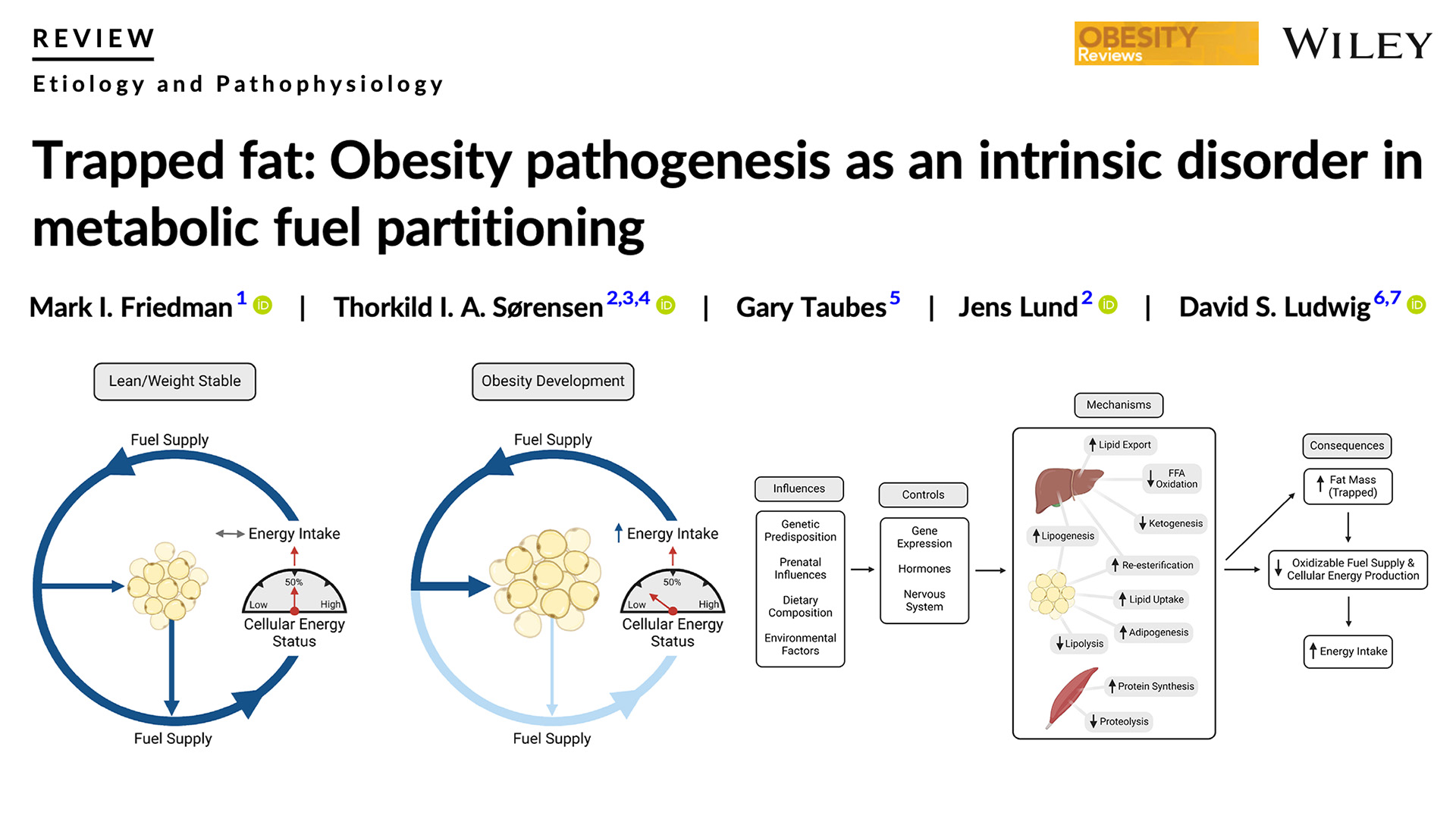
In this 2024 review, the authors propose that obesity may be better understood not as a passive consequence of overeating, but as an intrinsic disorder of metabolic fuel partitioning in which fat becomes “trapped” in adipose tissue. Rather than excess calories simply spilling into fat stores, the paper argues that hormonal and cellular signals—particularly involving insulin and adipocyte biology—can impair fat mobilization, reducing the availability of circulating fuels and potentially driving hunger and energy conservation as compensatory responses. This model shifts the focus from willpower and caloric balance to the biological regulation of energy storage and release, suggesting that disrupted fuel trafficking may play a central role in obesity pathogenesis.

Read More

COMMENTS

5 COMMENTS 0 COMMENTS 1 COMMENT SHARE LOGIN PRINT
dlantrip February 26, 2026 | 20:14 EST
20/25/30/35/40/45/50
Craig Collins February 26, 2026 | 09:52 EST
Edited
125-130-135-140-145-150-155lbs
jlantrip February 26, 2026 | 20:12 EST
65/75/85/95/105/115/135
Honore February 27, 2026 | 09:49 EST
80/85/90/95/100x1 (kg)
So I finished with 3 sets :
3 front squats (80kg)
6 GB curtsy squats (40kg)
Then,
10' macebell skill work
Pat McElhone February 27, 2026 | 21:07 EST
45-95-135-165-185-195-135
RACHEL STEADMAN March 02, 2026 | 13:31 EST
Temperature conversions:
400ºF / 200ºC,
125-130ºF / 52-54ºC
Log In to leave a comment - Log In?
Go to Top