



The
Daily
Fix
For load:
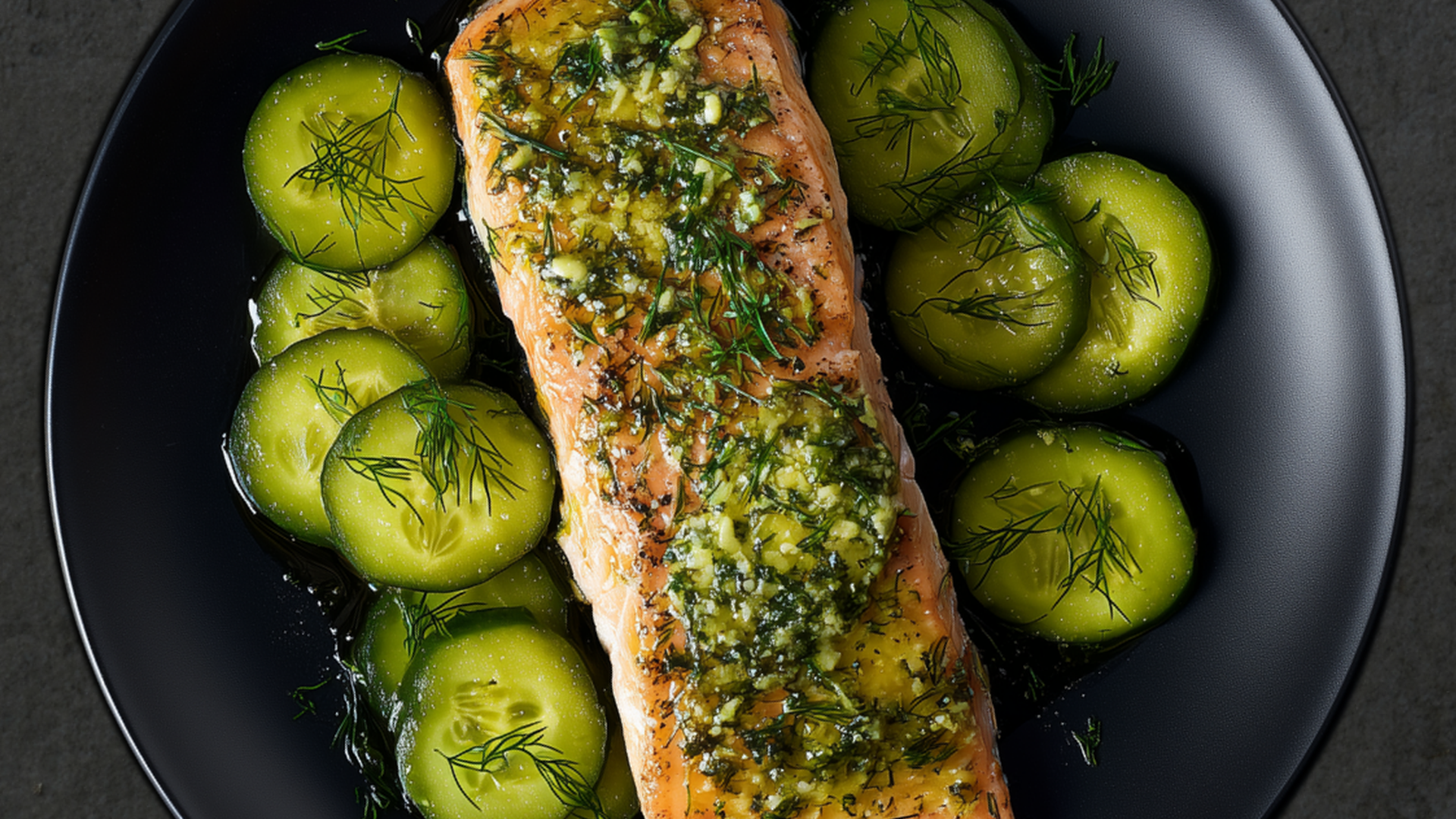
Salmon with Dill Butter and Pickled Cucumbers
A Beginner’s Guide
Back squat 3-3-3-3-3-3-3 reps
Buttery salmon topped with fragrant dill butter and paired with crisp, tangy pickled cucumbers.
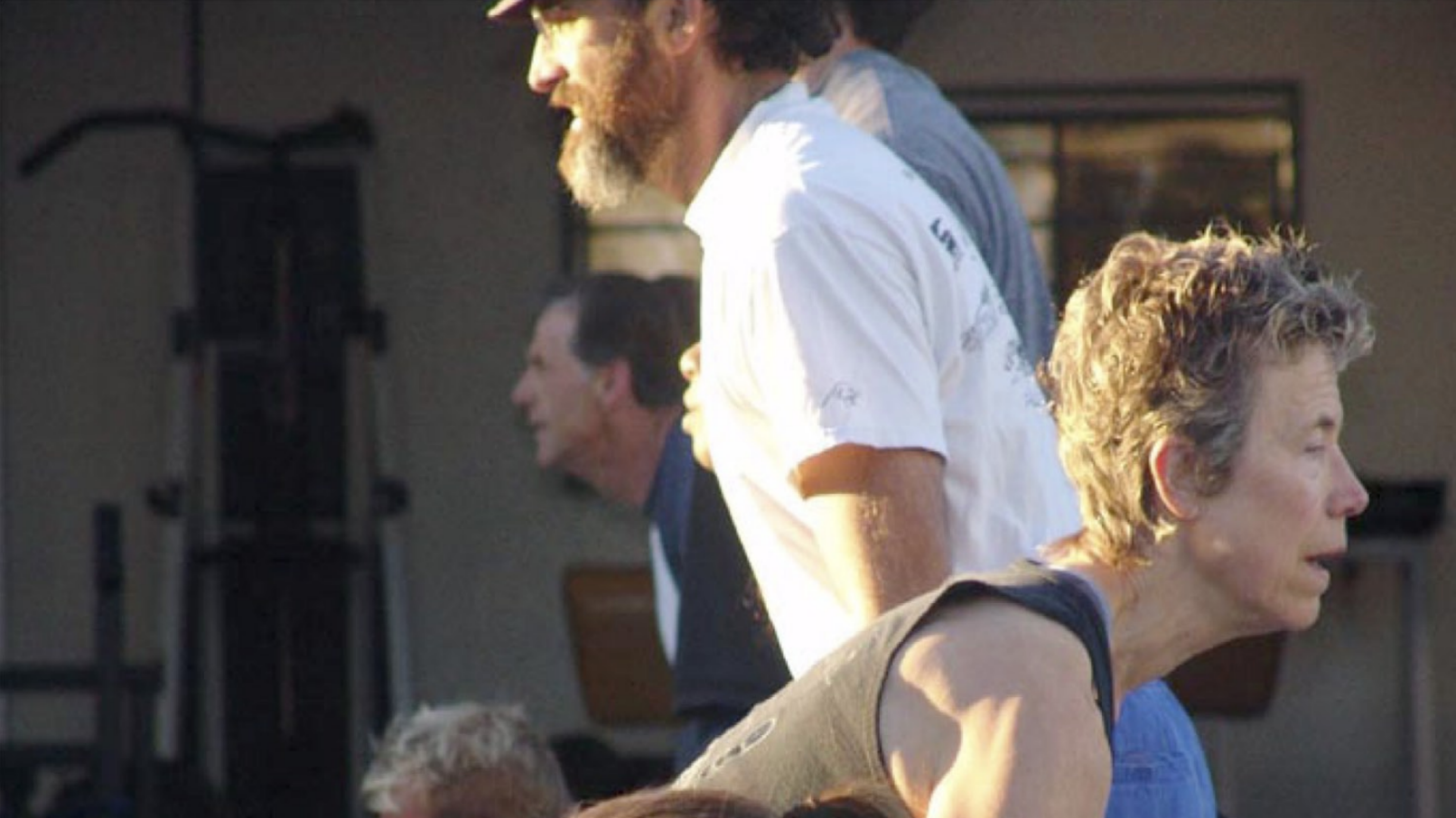
Greg Glassman’s 2004 introduction to functional, high-intensity training
Additionally, stretch for 20 minutes.
Post loads to comments.
Compare to 260131.
Ingredients
For the Salmon:
4 salmon fillets (about 6 oz each)
2 Tbsp butter or tallow (for cooking)
Salt and black pepper, to taste
For the Dill Butter:
3 Tbsp butter, softened
1 Tbsp fresh dill, finely chopped
1 tsp lemon zest
1 tsp lemon juice
Salt, to taste
For the Pickled Cucumbers:
1 cup thinly sliced cucumber
2 Tbsp apple cider vinegar
1 Tbsp lemon juice
ÂĽ tsp salt
ÂĽ tsp black pepper
1 tsp fresh dill, chopped
Macronutrients
(per serving, serves 4)
Protein: 38g
Fat: 38g
Carbs: 4g
Preparation
In a small bowl, combine all dill butter ingredients — softened butter, chopped dill, lemon zest, lemon juice, and salt. Mix until smooth, then refrigerate until ready to use.
In another bowl, toss sliced cucumber with apple cider vinegar, lemon juice, salt, pepper, and fresh dill. Set aside to marinate while preparing the salmon.
Pat salmon fillets dry and season both sides with salt and black pepper.
Heat butter or tallow in a skillet over medium-high heat. Add salmon, skin-side down if applicable, and cook 4–5 minutes until golden and crisp. Flip and cook for another 2–3 minutes until just cooked through.
Remove salmon from the skillet and immediately top each fillet with a spoonful of dill butter, letting it melt over the warm fish.
Serve the salmon alongside the pickled cucumbers, spooning any extra melted butter from the pan over the top before serving.

In this 2004 article, Coach Glassman lays out the foundational ideas behind his training methodology, emphasizing that it is universally scalable. The program is built on three pillars—functional movements, high intensity, and constant variance—and is designed so that anyone, regardless of age, experience, or fitness level, can participate. Common barriers such as unfamiliar movements, lack of equipment, or inability to complete workouts as written are reframed as problems of scaling, not disqualification. Loads can be reduced, movements substituted, repetitions adjusted, and intensity moderated without losing the training effect.
Coach Glassman stresses that functional movements—squatting, lifting, pulling, running, jumping—form the core of effective training because they reflect natural human actions. Intensity drives results, but must be introduced with consistency and restraint to avoid burnout. The “workout of the day” is simply one expression of the broader strength and conditioning model and can always be modified to meet the athlete where they are. Equipment and space are presented as minor obstacles; a small investment, basic tools, and ingenuity are sufficient to build meaningful fitness. With commitment, moderation, and a focus on functional mastery—not perfect conditions—beginners will progress successfully.
- 235 (1) + 230 (2)
- 235 (2) + 225 (1)
- 230
Score: 230