


The
Daily
Fix
Workout 26.3
Spanakopita Bowl
Technique Part 2

2 rounds of:
12 burpees
12 cleans
12 burpees
12 thrusters
Add weight, then 2 rounds of:
12 burpees
12 cleans
12 burpees
12 thrusters
Add weight, then 2 rounds of:
12 burpees
12 cleans
12 burpees
12 thrusters
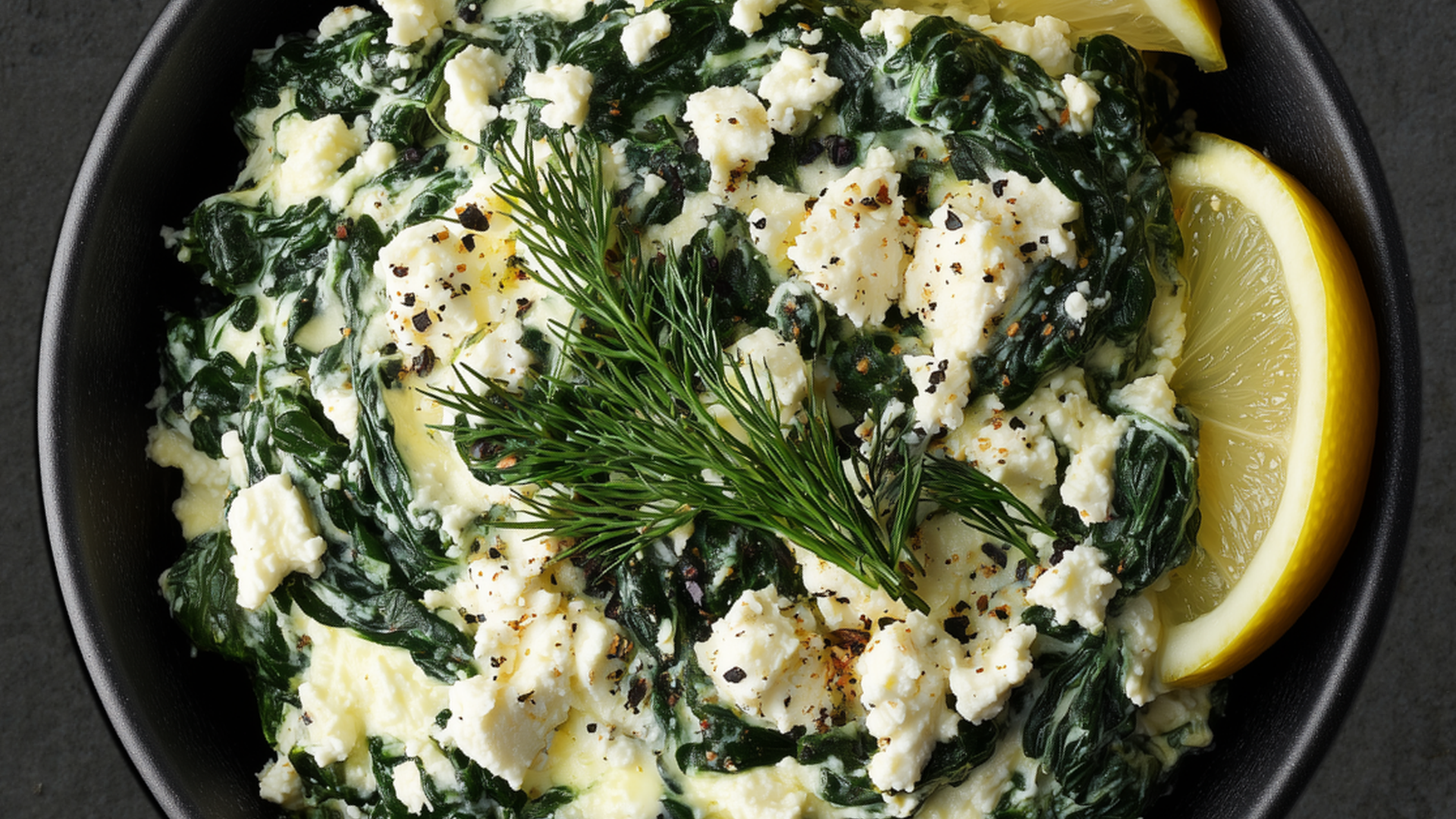
This side dish is a deconstruction of the classic Greek pastry — warm, buttery spinach with feta, herbs, and garlic.
How technique and intensity interact—and how to raise the threshold where form breaks down
Jump over the barbell on each rep of the burpee.
Men use 95, then 115, then 135 lb.
Women use 65, then 75, then 85 lb.
Stop at 16 minutes if you have not finished.
Post time or amount completed in 16 minutes to comments.
Ingredients
2 Tbsp butter or tallow (for cooking)
2 cloves garlic, minced
1 small onion, finely diced
4 cups fresh spinach, roughly chopped
½ cup full-fat ricotta cheese
½ cup crumbled feta cheese
2 large eggs, lightly beaten
1 Tbsp chopped fresh dill (or 1 tsp dried dill)
½ tsp ground nutmeg (optional)
Salt and black pepper, to taste
Lemon wedges, for serving
Macronutrients
(per serving, serves 4)
Protein: 11g
Fat: 16g
Carbs: 6g
Preparation
Heat butter or tallow in a large skillet over medium heat. Add onion and cook 3–4 minutes until softened.
Add minced garlic and cook for another 30 seconds until fragrant.
Add chopped spinach and cook 2–3 minutes until wilted and most of the moisture has evaporated.
Reduce heat to low and stir in ricotta, feta, dill, nutmeg (if using), salt, and black pepper. Mix until creamy and well combined.
Slowly stir in beaten eggs and cook for 1–2 minutes, stirring gently, until the mixture thickens slightly and becomes rich and cohesive (avoid scrambling).
Taste and adjust seasoning as needed.
Spoon into bowls, drizzle with a little melted butter if desired, and serve warm with a squeeze of lemon juice.
In this 2008 Q&A, Coach Glassman deepens the discussion on technique by examining its relationship to intensity, power, and performance. While some imperfection is acceptable—even top performers are rarely flawless. Adding load or speed does not automatically correct poor mechanics. Instead, athletes should establish clean technique at lower intensity, then progressively increase the demand, pushing to the point where form begins to falter and making corrections there. This “threshold training” steadily raises the level of intensity an athlete can sustain without technical breakdown.
At the highest levels of sport, poor technique disappears because performance is measurable and precision becomes essential. Improvements in movements like the clean, jerk, or overhead squat are not simply gains in strength, but advances in coordination, accuracy, agility, and balance—allowing greater power to be expressed with the same muscular potential. In this way, technique remains the foundation upon which intensity, efficiency, and fitness are built.
Find Part 1 here.

COMMENTS
194 (thru 2 weights)
burpees in place
started at 75#
Score: bad



burpees in place
power clean (men's weight)
thrusters (women's weight)
score: 128