



The
Daily
Fix
Rest
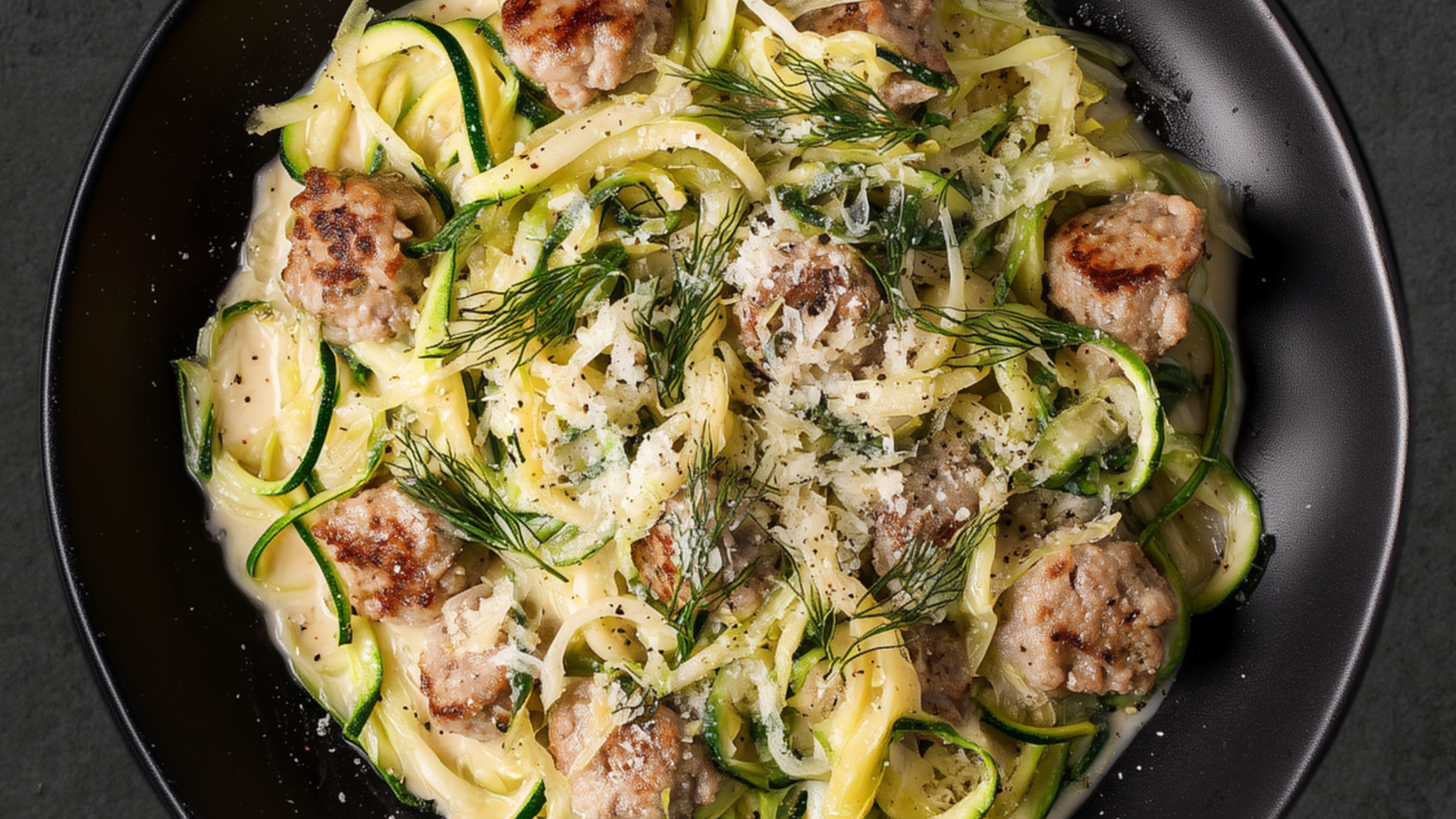
Fennel and Sausage Pasta with Zoodles
Beyond Science
Rest day
Savory Italian sausage, sweet fennel, and garlic come together in a creamy sauce tossed with fresh zucchini noodles.
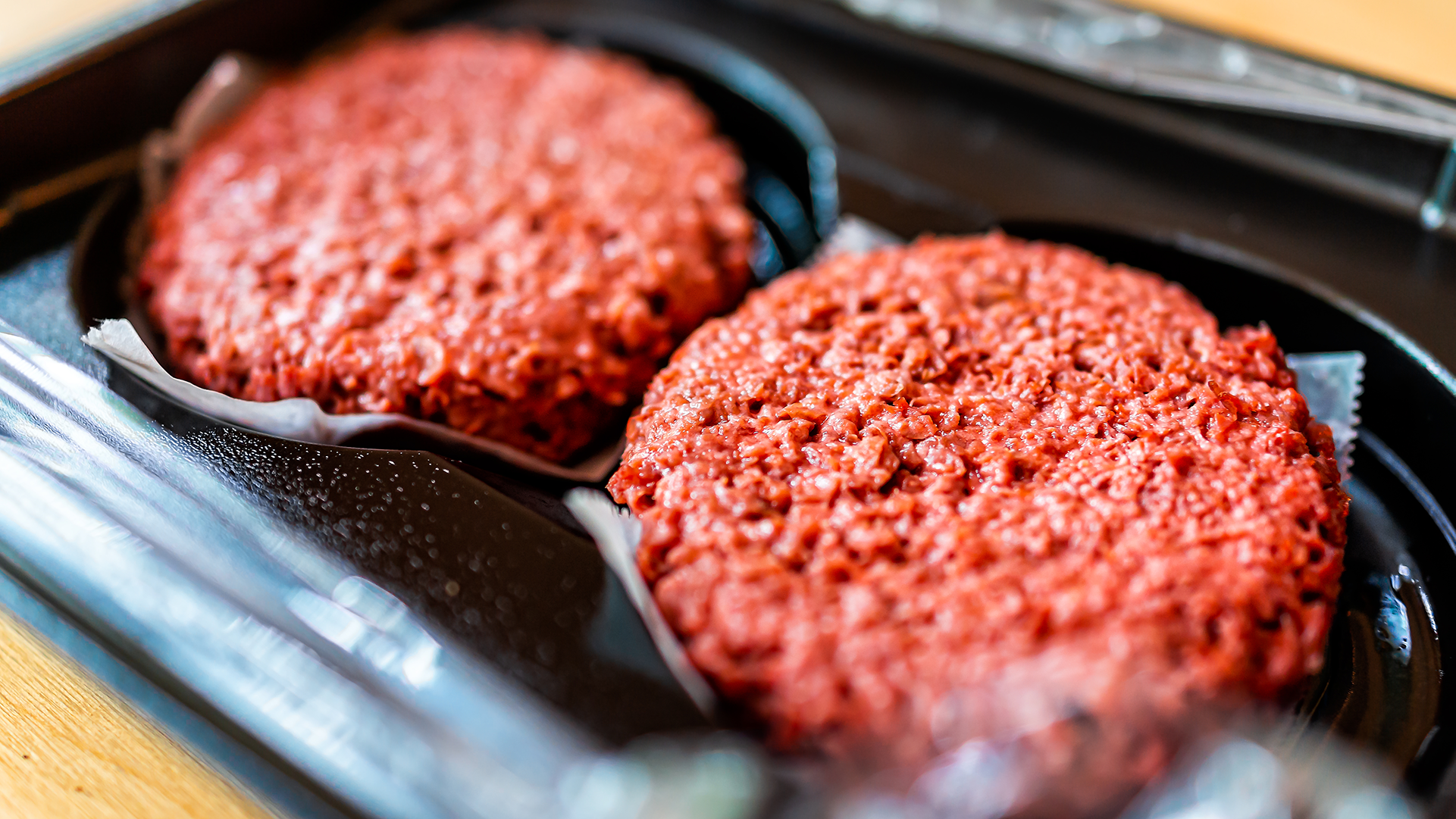
Faults with a Stanford study's claims that a vegan diet is better for cardio metabolic health.
Enjoy the recovery time, or make-up anything you missed from last week.
Ingredients
16 oz Italian sausage, casings removed
½ bulb fennel, thinly sliced
2 cloves garlic, minced
2 Tbsp butter or tallow
½ cup heavy cream
¼ cup grated Parmesan cheese
4 cups zucchini noodles (about 2 medium zucchinis)
Salt and black pepper, to taste
Macronutrients
(per serving, serves 4)
Protein: 18g
Fat: 32g
Carbs:57g
Preparation
Heat butter or tallow in a skillet over medium heat. Add sausage and cook for 5–6 minutes, breaking it up as it browns.
Add sliced fennel and cook 3–4 minutes until softened and slightly caramelized.
Stir in minced garlic and cook for 30 seconds until fragrant.
Pour in heavy cream and bring to a gentle simmer, cooking 2–3 minutes until slightly thickened.
Stir in Parmesan, salt, and pepper, mixing until the sauce is creamy.
Add zucchini noodles and toss gently for 1–2 minutes until just warmed through but still firm.
Serve immediately with extra Parmesan on top if desired.

In this article, Russell Berger critiques a Stanford twin study that claimed a vegan diet improves cardiometabolic health compared to an omnivorous diet. While the study received widespread media coverage highlighting reduced LDL cholesterol among vegan participants, Berger argues that the conclusions are overstated and not supported by the data. He raises concerns about potential sponsorship bias, noting that the study’s lead author received payments from the plant-based food company Beyond Meat. Berger also points to methodological weaknesses, including reliance on self-reported dietary recalls and the fact that the vegan group consumed fewer calories and lost weight—factors that could independently explain the drop in LDL cholesterol. More broadly, he argues that LDL itself is an imperfect surrogate marker for cardiovascular health and that the study failed to examine more meaningful measures such as LDL particle subtypes. Because the study was not designed to separate the effects of diet from caloric restriction, Berger concludes that the research cannot establish a causal relationship between vegan diets and improved heart health, despite the confident claims made in media coverage and interviews promoting the study.
TUESDAY 260331