




Chipotle Chicken with Cauliflower Mexican Rice
Smoky, spicy chipotle chicken served with flavorful Mexican-style cauliflower rice.
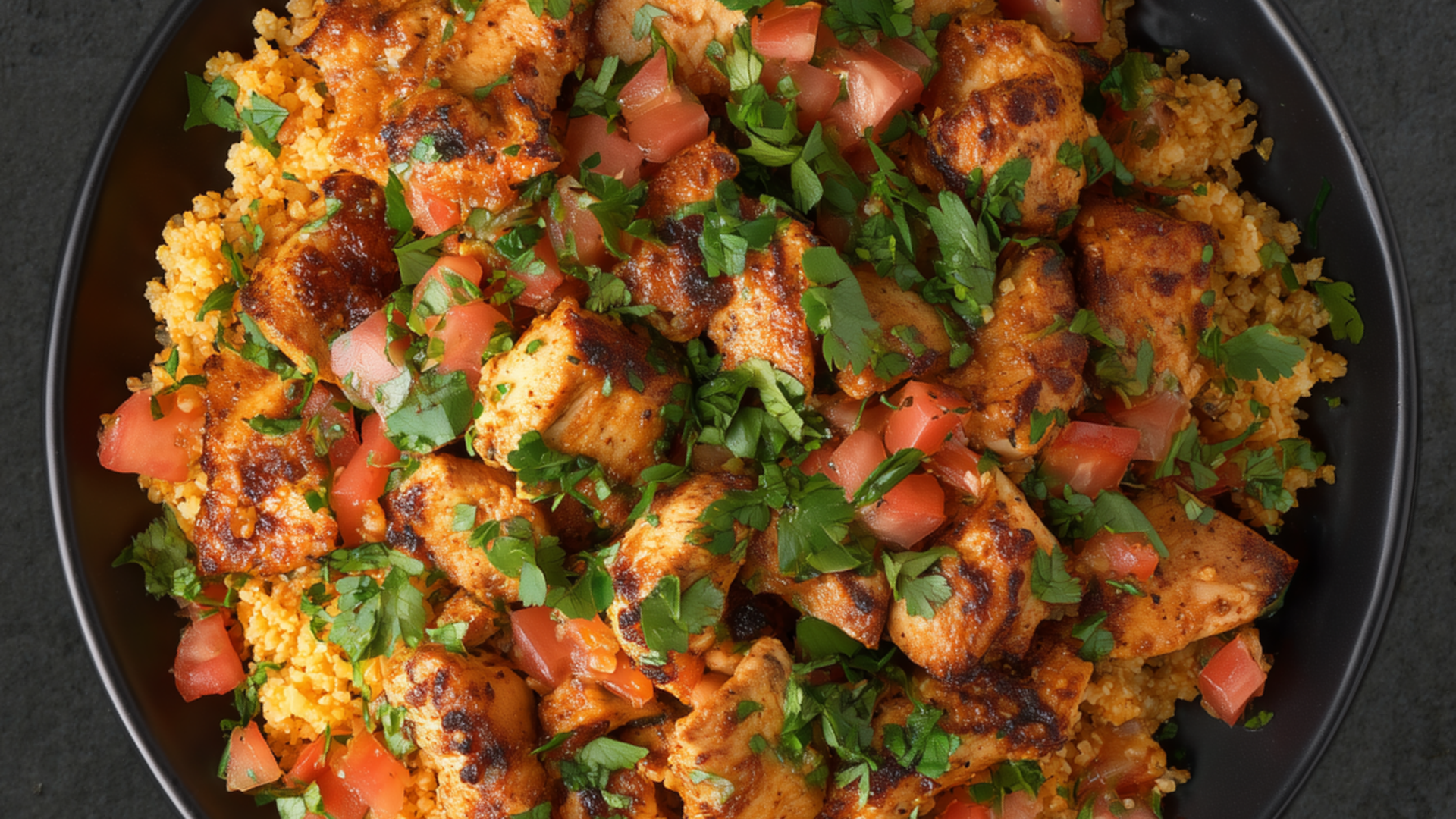
Ingredients
For the Chicken:
1 lb chicken thighs or breasts
2 Tbsp butter or tallow (for cooking)
1 chipotle pepper in adobo, minced (or 1 tsp chipotle paste)
1 tsp smoked paprika
½ tsp garlic powder
½ tsp cumin
Salt and black pepper, to taste
1 Tbsp lime juice
For the Cauliflower Mexican Rice:
3 cups cauliflower rice
1 Tbsp butter or tallow
1 small tomato, finely diced
¼ cup onion, finely diced
1 clove garlic, minced
¼ cup fresh cilantro, chopped
½ tsp cumin
Salt and pepper, to taste
1 Tbsp lime juice
Macronutrients
(per serving, serves 4)
Protein: 33g
Fat: 28g
Carbs: 6g
Preparation
Pat chicken dry and season both sides with chipotle, smoked paprika, garlic powder, cumin, salt, and pepper.
Heat butter or tallow in a skillet over medium-high heat. Add chicken and cook 4–5 minutes per side until golden and fully cooked through.
Drizzle lime juice over the chicken, toss to coat, and remove from the pan to rest.
In the same skillet, melt butter or tallow over medium heat. Add diced onion and garlic, cooking 2–3 minutes until softened.
Add diced tomato and cook for another 2 minutes until slightly broken down.
Stir in cauliflower rice, cumin, salt, and pepper. Cook 4–5 minutes, stirring occasionally, until tender and lightly toasted.
Remove from heat and stir in lime juice and chopped cilantro.
Serve chipotle chicken over the cauliflower rice and garnish with extra cilantro and lime wedges if desired.



SUNDAY 260412