



The
Daily
Fix

260413

MONDAY 260413
0 0 0

For time:

Garlic Butter Shrimp with Ginger Bok Choy

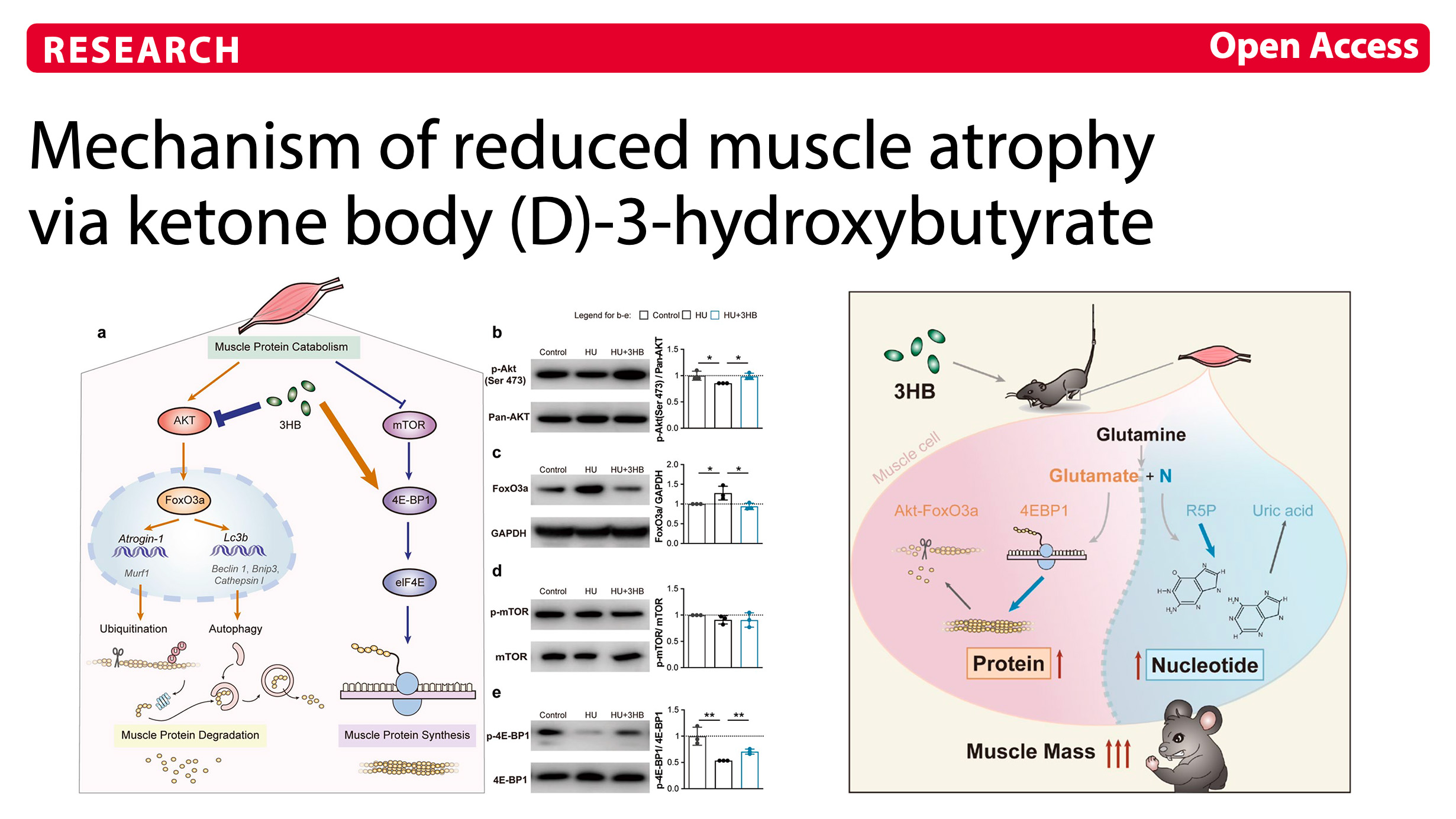
Mechanism of reduced muscle atrophy via ketone body (D)-3-hydroxybutyrate

Article Heading Photo
Photo of Garlic Butter Shrimp with Ginger Bok Choy

20 bodyweight back squats
Run 800 meters
15 bodyweight back squats
Run 800 meters
10 bodyweight back squats
Run 800 meters

Shrimp sautéed in rich garlic butter and paired with tender, fragrant bok choy infused with ginger.

A ketone body appears to help preserve muscle by reducing protein breakdown and supporting protein and nucleotide metabolism.

Tab Photo

The
Daily
Fix

Photo of Garlic Butter Shrimp with Ginger Bok Choy Article Heading Photo

Additionally, stretch for 20 minutes.

Post time to complete and load used to comments.

Ingredients

1 lb large shrimp, peeled and deveined
3 Tbsp butter or tallow (divided)
3 cloves garlic, minced
1 Tbsp fresh ginger, grated
4 cups baby bok choy, halved lengthwise
1 Tbsp lime juice
Salt and black pepper, to taste
1 Tbsp chopped green onions or cilantro (for garnish)

Macronutrients
(per serving, serves 4)

Protein: 28g
Fat: 20g
Carbs: 3g

Preparation

Heat 2 Tbsp butter or tallow in a large skillet over medium-high heat. Add shrimp, season with salt and black pepper, and cook 2–3 minutes per side until pink and opaque. Remove and set aside.

In the same skillet, add the remaining 1 Tbsp butter along with minced garlic and grated ginger. Cook for 30 seconds until fragrant.

Add bok choy cut-side down and cook 2–3 minutes until the edges begin to brown. Flip and cook for another 2 minutes until tender but still crisp.

Return shrimp to the skillet and toss gently to combine, allowing the flavors to meld for 1–2 minutes.

Drizzle with lime juice and adjust seasoning with salt and pepper as needed.

Remove from heat, garnish with green onions or cilantro, and serve immediately.

This 2022 study tested whether 3-hydroxybutyrate (3HB)—one of the main ketones produced during fasting or low-carbohydrate diets—could help prevent muscle loss. Using a mouse model where the animals’ hind limbs were unloaded to simulate disuse, the researchers found that mice given 3HB lost less muscle mass and maintained larger muscle fibers than untreated mice. The ketone appeared to work by slowing down the systems that break down muscle proteins while also supporting pathways involved in maintaining muscle tissue. The researchers also observed changes in other metabolic markers suggesting that 3HB may help support cellular building processes needed for muscle maintenance. Overall, the study suggests that ketones may do more than provide energy—they may also help protect muscle during periods of inactivity or metabolic stress.

Read the Study

COMMENTS

0 COMMENTS 0 COMMENTS 0 COMMENTS SHARE LOGIN PRINT
Log In to leave a comment - Log In?
Go to Top