



The
Daily
Fix
Rest
Cajun Salmon with Lemon Butter Sauce
Wash-In and Washout Bias in Nutrition Research
Rest day
Pan-seared Cajun-seasoned salmon topped with a rich lemon butter sauce.

Short diet trials may produce misleading results because the body takes weeks to adapt to major dietary changes.
Enjoy the recovery time, or make-up anything you missed from last week.
Ingredients
For the Salmon:
4 salmon fillets (about 6 oz each)
2 Tbsp butter or tallow (for cooking)
1 Tbsp Cajun seasoning
Salt and black pepper, to taste
For the Lemon Butter Sauce:
3 Tbsp butter
1 white onion, thinly sliced
2 cloves garlic, minced
2 Tbsp lemon juice (freshly squeezed)
1 tsp lemon zest
2 Tbsp heavy cream (optional, for richness)
1 Tbsp chopped parsley
Macronutrients
(per serving, serves 4)
Protein: 38g
Fat: 40g
Carbs: 4g
Preparation
Pat salmon fillets dry and season both sides with Cajun seasoning, salt, and black pepper.
Heat butter or tallow in a skillet over medium-high heat. Add salmon, skin-side down if applicable, and cook 4–5 minutes until golden and crisp. Flip and cook for another 2–3 minutes until just cooked through. Remove from the skillet and set aside.
Lower heat to medium and melt 3 Tbsp butter in the same pan. Add minced garlic and sliced onion. Cook for 30 seconds until fragrant.
Stir in lemon juice, zest, and heavy cream (if using). Simmer for 2 minutes until slightly thickened.
Return the salmon to the skillet and spoon the lemon butter sauce over the top.
Remove from heat, garnish with chopped parsley, and serve immediately with a side of sautéed greens or cauliflower mash.

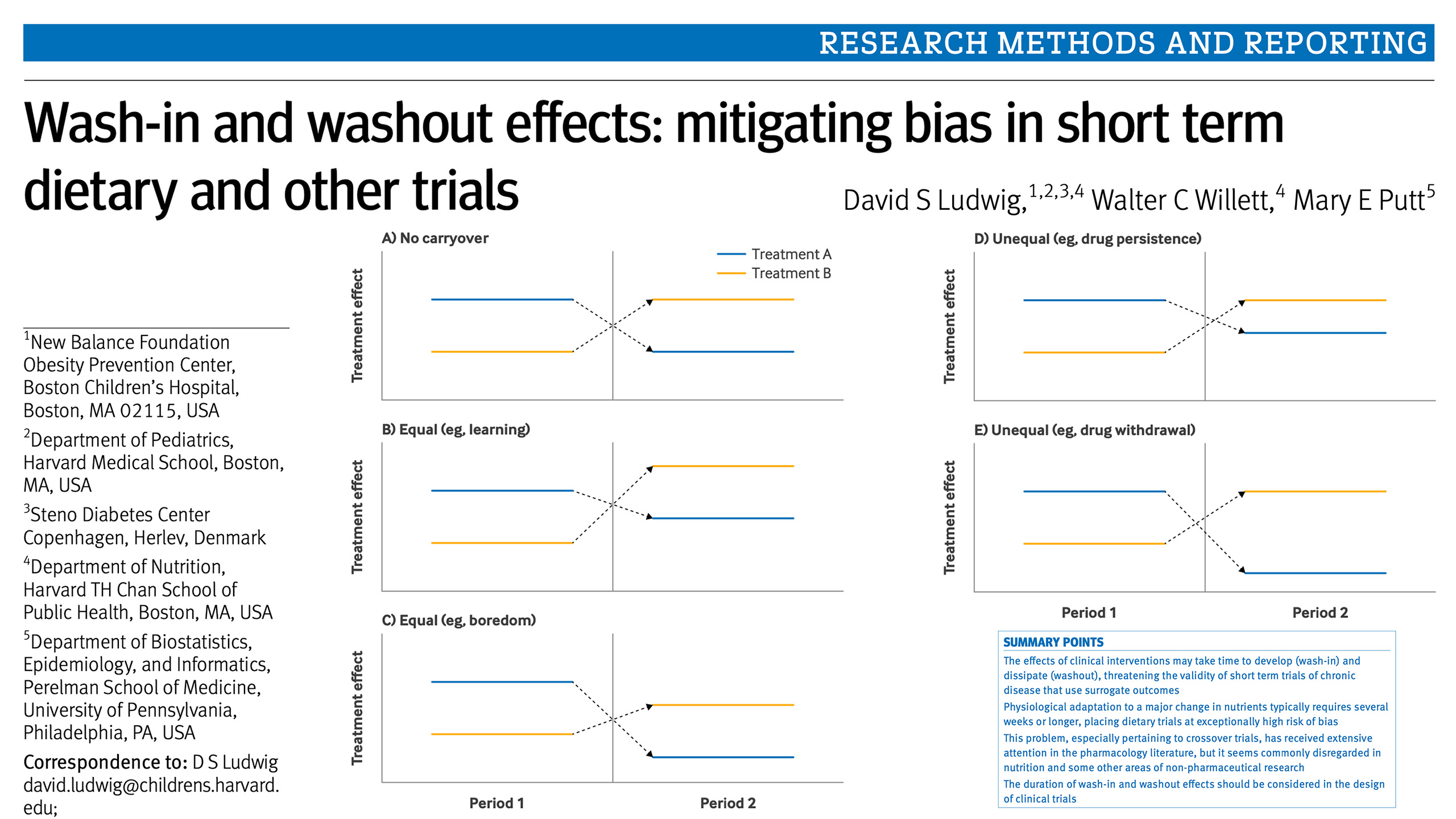
In this paper, David Ludwig, Walter Willett, and Mary Putt argue that many short-term diet trials may produce misleading conclusions because they fail to account for “wash-in” and “washout” effects—the time it takes for the body to adapt to a new diet and for previous dietary effects to fade. When dietary interventions last only a few days or weeks, researchers may measure temporary metabolic responses rather than the diet’s true long-term effects. This problem is especially common in crossover trials, where participants switch between diets without enough time for the previous diet’s effects to disappear, potentially biasing results.
The authors explain that major dietary shifts—such as moving between high-carbohydrate and ketogenic diets—can take several weeks or even months for the body to fully adapt. During this period, hormones, metabolism, energy expenditure, gut microbes, and other systems are still adjusting. If a trial measures outcomes too early, the results may exaggerate, underestimate, or even reverse the true effect of the diet.
Because many feeding studies last only one or two weeks and sometimes omit washout periods entirely, the authors suggest that a large portion of the nutrition literature may be vulnerable to this type of bias. They recommend designing longer studies—often at least one to two months per diet phase—and carefully accounting for adaptation periods to produce more reliable conclusions about how diet affects chronic diseases.
THURSDAY 260416