



The
Daily
Fix
5 rounds for time:
Chicken and Cauliflower Rice Casserole
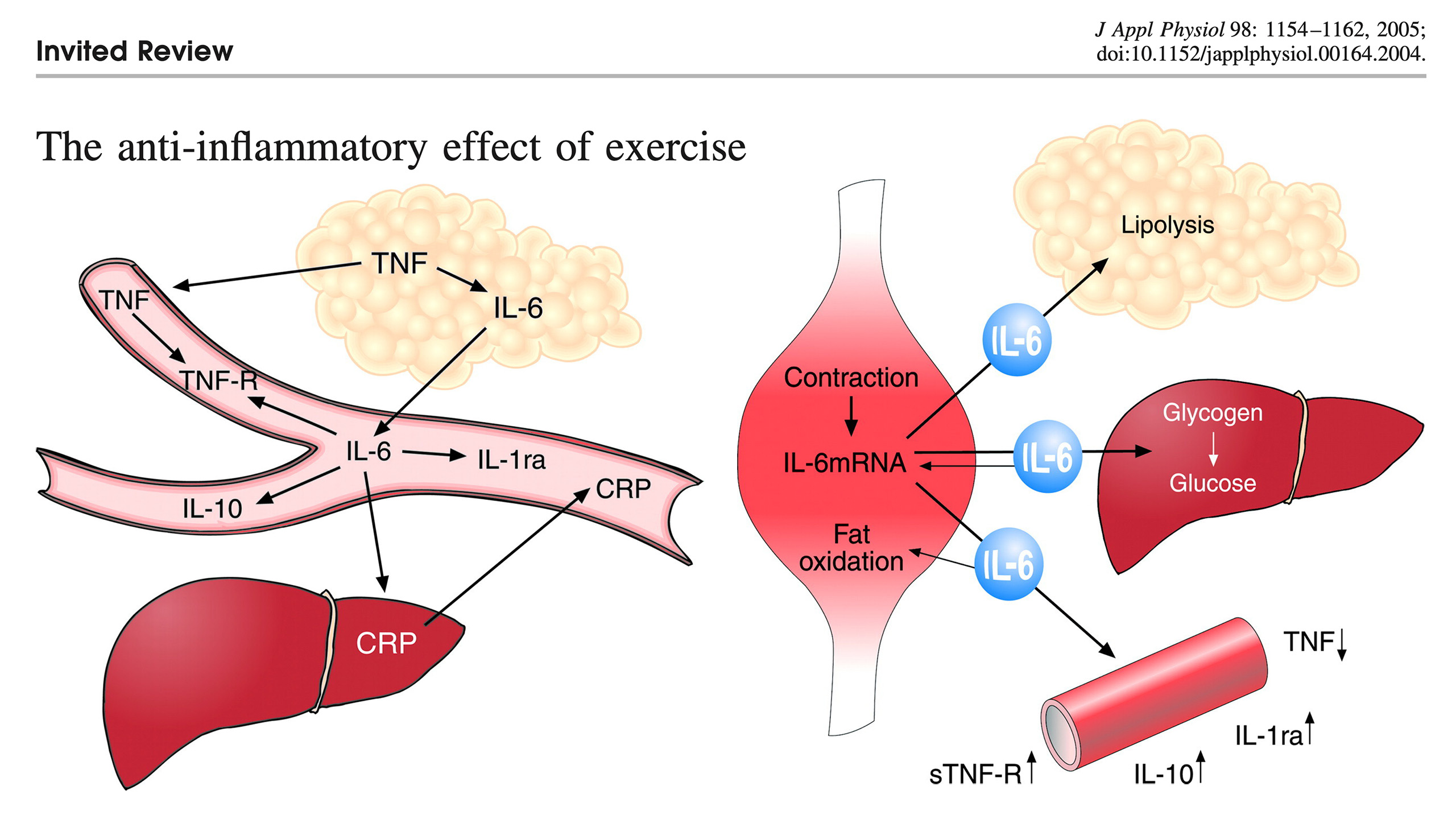
The Anti-Inflammatory Effect of Exercise
40 double-unders
20 squat cleans
A creamy, cheesy comfort dish with tender chicken, seasoned cauliflower rice, and a golden baked finish.

Regular physical activity reduces chronic inflammation through multiple metabolic and immune pathways.
Men use 95 lb.
Women use 65 lb.
Post time to complete to comments.
Ingredients
3 cups cooked chicken, shredded or diced
3 cups cauliflower rice
½ cup sour cream
½ cup shredded cheddar cheese
¼ cup grated Parmesan cheese
2 Tbsp butter or tallow
½ tsp garlic powder
Salt and black pepper, to taste
Macronutrients
(per serving, serves 4)
Protein: 39g
Fat: 29g
Carbs: 5g
Preparation
Preheat oven to 375°F (190°C). Lightly grease a casserole dish with butter or tallow.
Heat 2 Tbsp butter or tallow in a skillet over medium heat. Add cauliflower rice and cook 4–5 minutes until softened and moisture has mostly evaporated.
Stir in garlic powder, salt, and pepper, mixing well to season the rice evenly.
Reduce heat to low, then add sour cream, cheddar, and Parmesan. Stir until melted and creamy.
Add shredded chicken and fold it into the mixture until everything is evenly coated.
Transfer to the prepared casserole dish, smoothing the top with a spoon.
Sprinkle a little extra cheese on top if desired, then bake 20–25 minutes until hot and lightly golden.
Let cool for a few minutes before serving warm.

This review examines how exercise produces anti-inflammatory effects through signaling molecules released by contracting muscle. During exercise, skeletal muscle releases large amounts of interleukin-6 (IL-6), which acts as a signaling molecule rather than a marker of inflammation. This temporary rise in IL-6 suppresses production of the pro-inflammatory cytokine tumor necrosis factor (TNF) while also stimulating fat oxidation and supporting glucose regulation.
This response is very different from the inflammatory cascade seen in infection or metabolic disease, where TNF rises first and drives systemic inflammation. The authors propose that repeated bouts of exercise produce an overall anti-inflammatory state, partly by reducing visceral fat and partly through these muscle-derived signaling molecules—often called myokines. These mechanisms may help explain why regular physical activity is strongly associated with lower risk of metabolic syndrome, type 2 diabetes, and cardiovascular disease.
FRIDAY 260417