



The
Daily
Fix

260420

MONDAY 260420
0 0 0

Rest

Cabbage Stir-Fry with Ground Turkey

Proposed Nutrition Competencies for Medical Students

Article Heading Photo
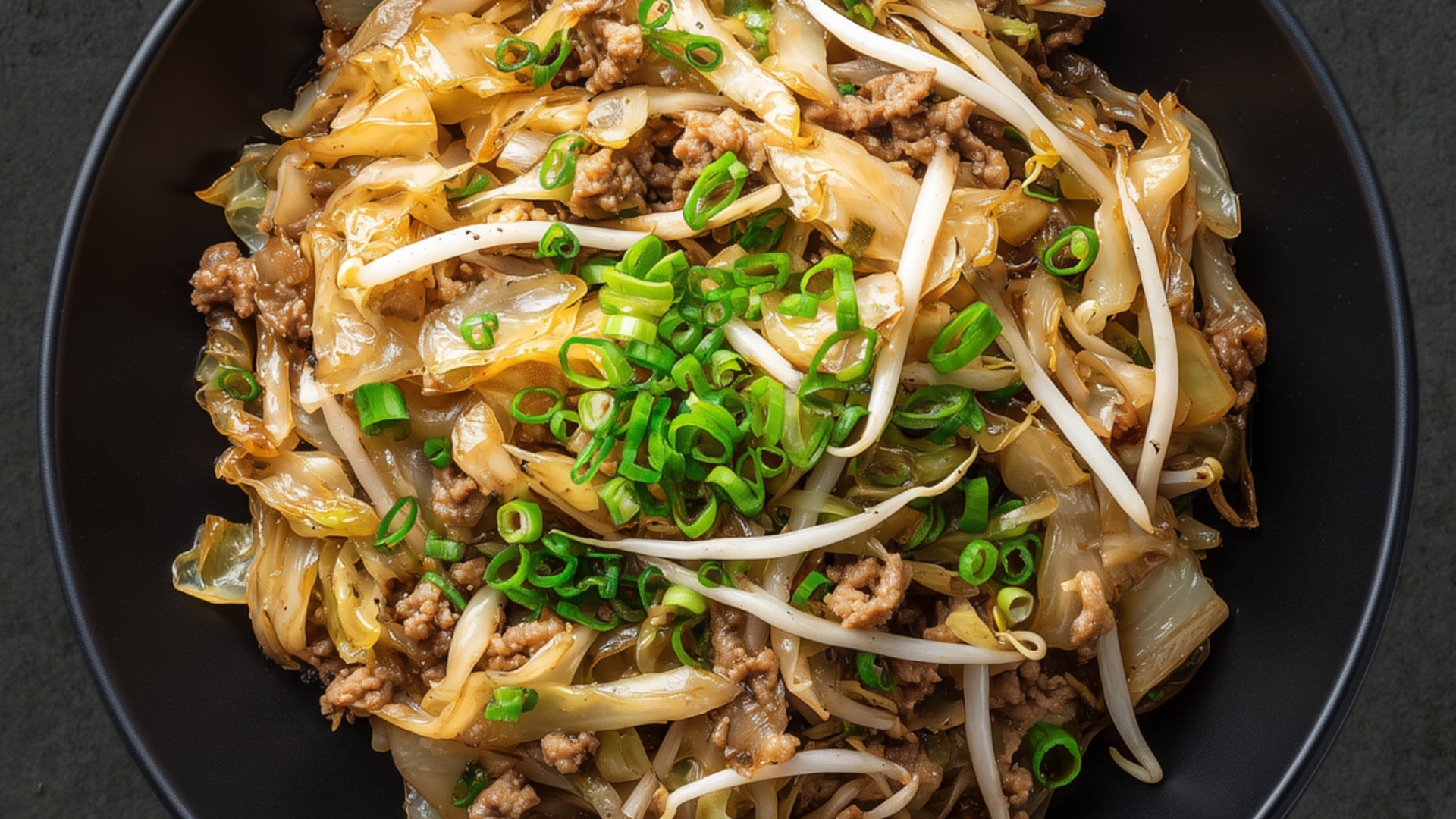
Photo of Cabbage Stir-Fry with Ground Turkey

Rest day

A savory stir-fry with tender cabbage, juicy ground turkey, earthy mushrooms, and crisp bean sprouts — simple, quick, and full of flavor.
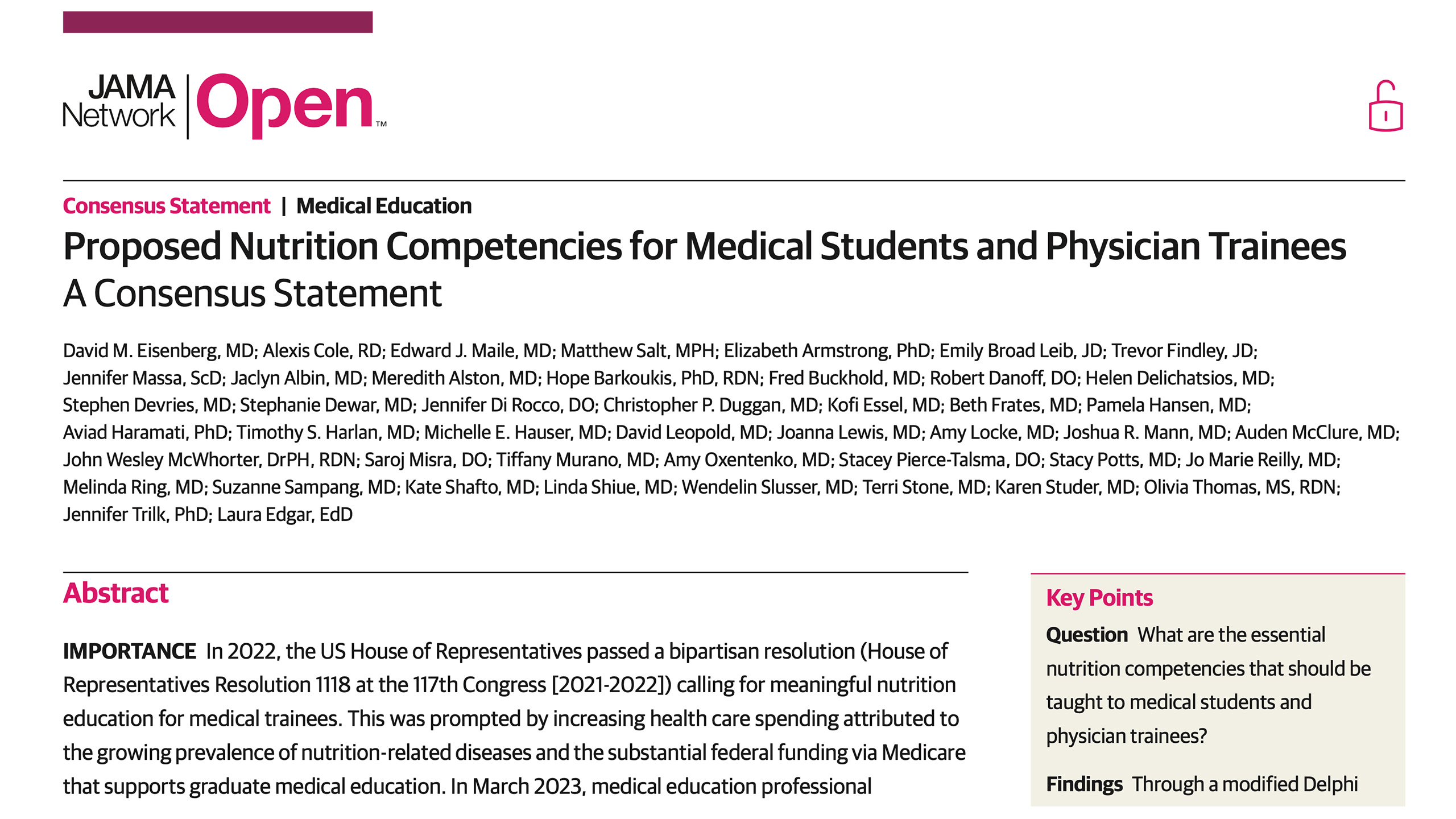
Consensus statement highlighting the gap in nutrition education in medical training.

Tab Photo

The
Daily
Fix

Photo of Cabbage Stir-Fry with Ground Turkey Article Heading Photo

Enjoy the recovery time, or make-up anything you missed from last week.

Ingredients

1 lb ground turkey
2 Tbsp butter or tallow
4 cups cabbage, thinly sliced
1 cup mushrooms, sliced (white or cremini)
1 small onion, sliced
2 cloves garlic, minced
1 cup bean sprouts
2 Tbsp soy sauce or coconut aminos
1 tsp sesame oil (optional, for finishing)
½ tsp ground ginger
Salt and black pepper, to taste
1 Tbsp chopped green onions or cilantro (for garnish)

Macronutrients
(per serving, serves 4)

Protein: 30g
Fat: 20g
Carbs: 7g

Preparation

Heat butter or tallow in a large skillet or wok over medium-high heat. Add ground turkey and cook 5–6 minutes, breaking it apart until browned.

Add sliced onion and mushrooms, cooking 3–4 minutes until softened and lightly browned.

Stir in minced garlic and cook 30 seconds until fragrant.

Add cabbage and continue to stir-fry 4–5 minutes until it starts to wilt but remains crisp.

Stir in soy sauce or coconut aminos, ground ginger, salt, and pepper. Mix well to coat the vegetables and meat evenly.

Add bean sprouts and cook 1–2 minutes just until heated through but still crunchy.

Drizzle with sesame oil if using, toss once more, and remove from heat.

Garnish with green onions or cilantro and serve hot.

Published in 2024, this consensus statement addresses the growing concern that physicians receive very little formal training in nutrition, despite diet playing a major role in many chronic diseases. The authors reviewed existing literature and worked with a panel of physicians, nutrition scientists, dietitians, and residency program directors to identify the most important nutrition skills future doctors should learn. They ultimately recommended 36 core competencies for medical students and physician trainees, including understanding basic nutrition science, assessing a patient’s diet, recognizing nutrition-related disease risks, counseling patients about food choices, and addressing issues like food insecurity and metabolic syndrome. The paper emphasizes that most medical schools currently lack consistent nutrition education and that many physicians feel unprepared to advise patients about diet. The authors argue that integrating these competencies into medical curricula—and eventually into licensing and board examinations—could help close this gap and improve patient care.

Read More

COMMENTS

0 COMMENTS 0 COMMENTS 0 COMMENTS SHARE LOGIN PRINT
Log In to leave a comment - Log In?
Go to Top