



The
Daily
Fix

260421

TUESDAY 260421
2 0 0

For load:

Buttered Salmon with Garlic and Feta Topping

Insulin-Degrading Enzyme and Cognitive Decline

Article Heading Photo
Photo of Buttered Salmon with Garlic and Feta Topping

Back squat 5-5-3-3-3-1-1-1-1 reps

Salmon baked in rich butter and topped with a creamy, garlicky feta mixture for a simple yet decadent high-protein, low-carb meal.

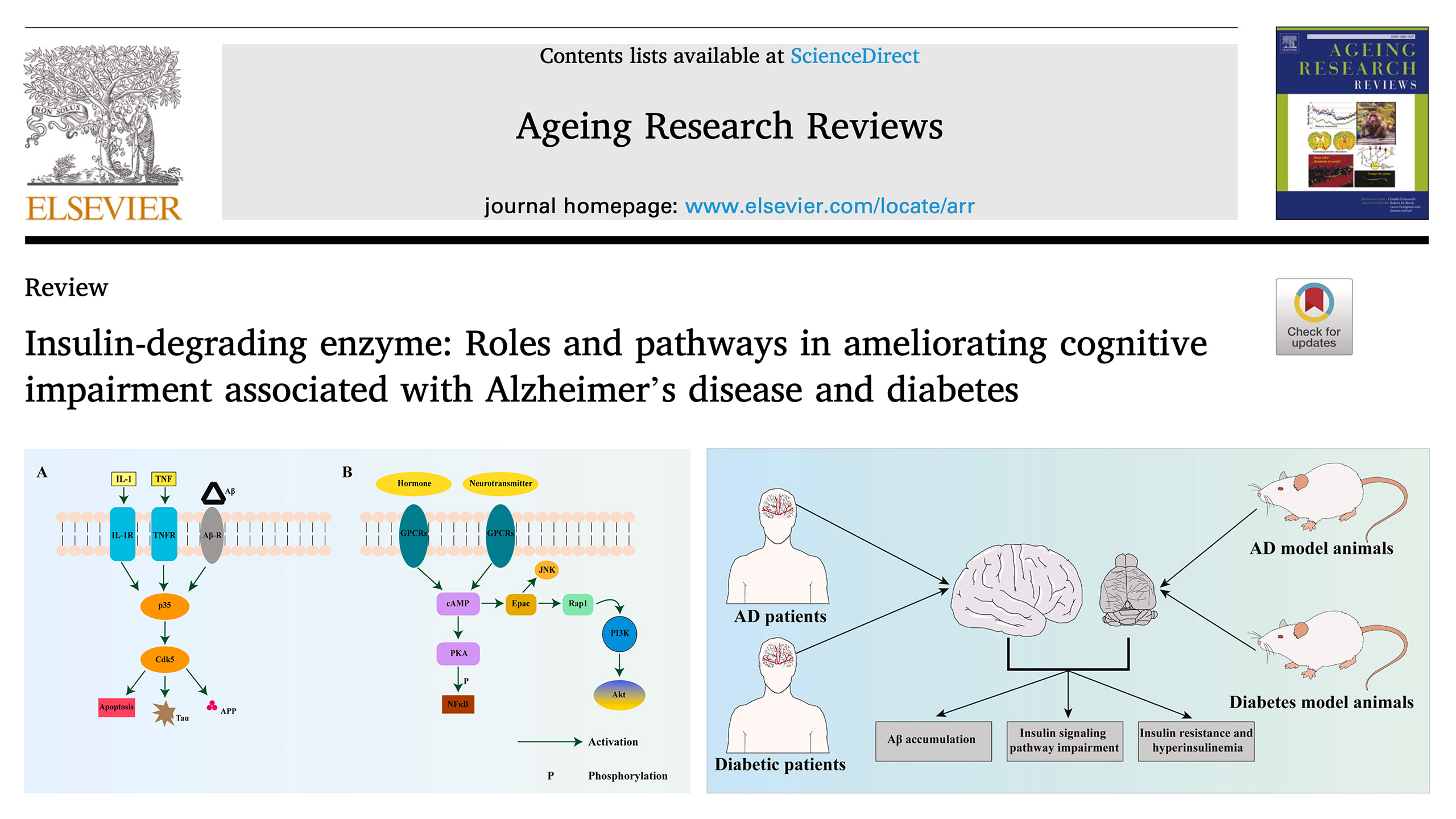
A key metabolic enzyme that links diabetes, insulin signaling, and Alzheimer’s disease.

Tab Photo

The
Daily
Fix

Photo of Buttered Salmon with Garlic and Feta Topping Article Heading Photo

Attempt to increase loads for each of the 9 sets.

Additionally, stretch for 20 minutes.

Post loads to comments.

Compare to 260402.

Ingredients

4 salmon fillets (about 6 oz each)
3 Tbsp butter or tallow (melted)
2 cloves garlic, minced
½ cup crumbled feta cheese
2 Tbsp heavy cream
1 Tbsp lemon juice
1 Tbsp fresh parsley or dill, chopped
Salt and black pepper, to taste
Lemon wedges, for serving

Macronutrients
(per serving, serves 4)

Protein: 48g
Fat: 38g
Carbs: 2g

Preparation

Preheat oven to 400°F (200°C) and line a baking dish with parchment paper or lightly grease it with butter.

Pat salmon fillets dry and season both sides with salt and black pepper.

In a small bowl, mix melted butter, minced garlic, and lemon juice. Place salmon fillets in the baking dish and spoon the butter mixture evenly over the top.

In a separate bowl, combine feta cheese, heavy cream, and parsley (or dill). Mix until it forms a slightly creamy topping.

Spoon the feta mixture evenly over each salmon fillet.

Bake for 12–15 minutes, or until the salmon flakes easily with a fork and the topping is lightly golden.

Remove from the oven, spoon any extra melted butter from the pan over the top, and serve with lemon wedges.

This review examines the role of the insulin-degrading enzyme (IDE) in the development of cognitive decline associated with Alzheimer’s disease and diabetes. IDE is responsible for breaking down insulin as well as amyloid-β, the protein that accumulates in the brains of people with Alzheimer’s disease. The authors review evidence suggesting that when IDE activity is impaired, insulin and amyloid-β can accumulate, potentially contributing to both metabolic dysfunction and neurodegeneration.

The paper shows growing research linking insulin signaling, metabolic health, and brain function. Conditions such as insulin resistance and type 2 diabetes may interfere with normal IDE activity, which could reduce the brain’s ability to clear amyloid-β and increase the risk of cognitive decline. By examining the pathways that regulate IDE, the authors suggest that improving metabolic health and insulin regulation may play an important role in preventing or slowing neurodegenerative disease.

Read More

COMMENTS

2 COMMENTS 0 COMMENTS 0 COMMENTS SHARE LOGIN PRINT
troybruun April 22, 2026 | 08:49 EST
155-185-225-235-245-255-265-275
Ethan Rush April 22, 2026 | 10:04 EST
Forgot to log yesterday, Built to ~255 (on a hotel Smith Machine)
Log In to leave a comment - Log In?
Go to Top