



The
Daily
Fix
20-minute AMRAP
Brazilian Chicken Coxinha Cups
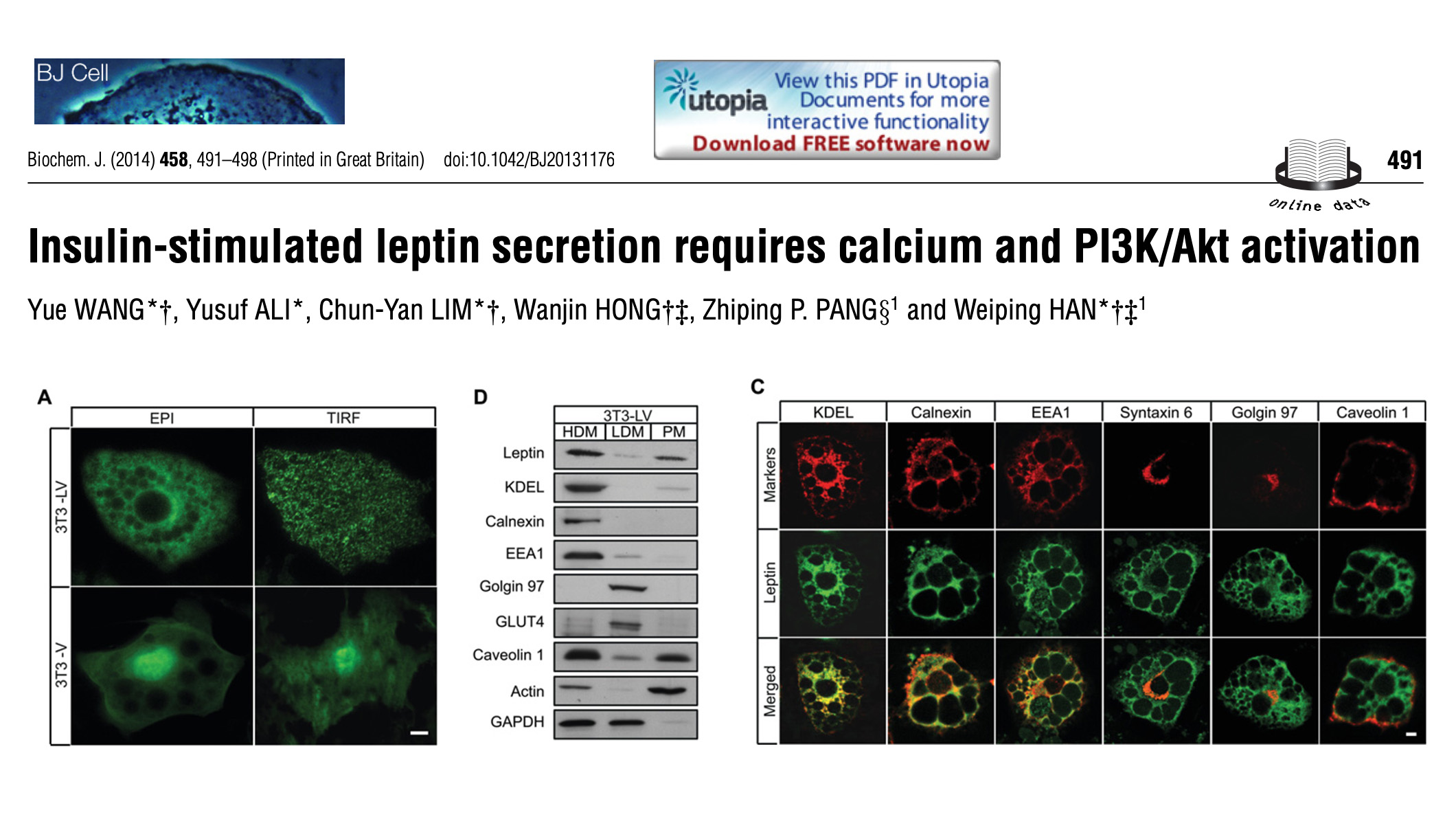
Insulin-stimulated leptin secretion requires calcium and PI3K/Akt activation
Complete as many rounds as possible in 20 minutes of:
5 pull-overs
15 push-ups
25-cal. bike
A creamy, savory chicken filling baked inside buttery almond-flour cups—a take on Brazil’s favorite street snack.

How insulin controls leptin release from fat cells
For the pull-over, start from a hang on the bar, pull the hips to the bar while inverting, and continue the rotation until you arrive in a support on top of the bar.
Post number of rounds completed to comments.
Ingredients
For the Filling:
1 lb cooked chicken breast, shredded
2 Tbsp butter or tallow
2 cloves garlic, minced
¼ small onion, finely diced
2 oz cream cheese
¼ cup heavy cream
¼ cup grated Parmesan cheese
2 Tbsp chopped parsley
Salt and black pepper, to taste
For the Cups:
1 ½ cups almond flour
½ cup shredded mozzarella cheese
2 large eggs
1 Tbsp melted butter
Pinch of salt
Macronutrients
(per serving, makes 6)
Protein: 26g
Fat: 28g
Carbs: 5g
Preparation
Preheat the oven to 375°F (190°C) and grease a 6-cup muffin tin with butter or tallow.
Melt butter or tallow in a skillet over medium heat. Add onion and garlic and cook 2–3 minutes until softened and fragrant.
Stir in shredded chicken, cream cheese, heavy cream, and Parmesan. Cook 2–3 minutes until smooth and thickened, then season with salt, pepper, and parsley. Remove from heat.
In a mixing bowl, combine almond flour, mozzarella, eggs, melted butter, and a pinch of salt. Mix until a soft dough forms.
Divide the dough evenly and press into each muffin cup, shaping up the sides to create little wells.
Spoon the creamy chicken filling into each dough cup, filling them just to the top.
Bake 15–18 minutes until the cups are golden brown and set.
Cool slightly before removing from the pan, then serve warm with a sprinkle of parsley or your favorite low-carb dipping sauce.

In this 2014 study, Yue Wang and colleagues looked at how leptin—a hormone that helps regulate hunger—is released from fat cells. They found that insulin plays a key role in triggering leptin release, not by turning on the gene, but by activating internal cell signaling pathways, especially the PI3K/Akt pathway.
Leptin isn’t just sitting in storage waiting to be released. Instead, it has to be continuously made and transported inside the cell before it can be secreted. When the researchers blocked protein production or this internal transport system, leptin release stopped—even in the presence of insulin. They also found that calcium is required for this process, but it doesn’t directly trigger leptin release. Instead, it helps insulin signaling work properly.
Importantly, in insulin-resistant mice, this system didn’t work as well, and leptin responses were impaired. This suggests that leptin is not the main driver of hunger on its own, but rather a downstream signal that reflects how well metabolism is working. When metabolic signaling is healthy, leptin helps communicate that the body is fed. When metabolism is impaired, that signal can break down—even if body fat is high.
SUNDAY 260503