



The
Daily
Fix
For load:
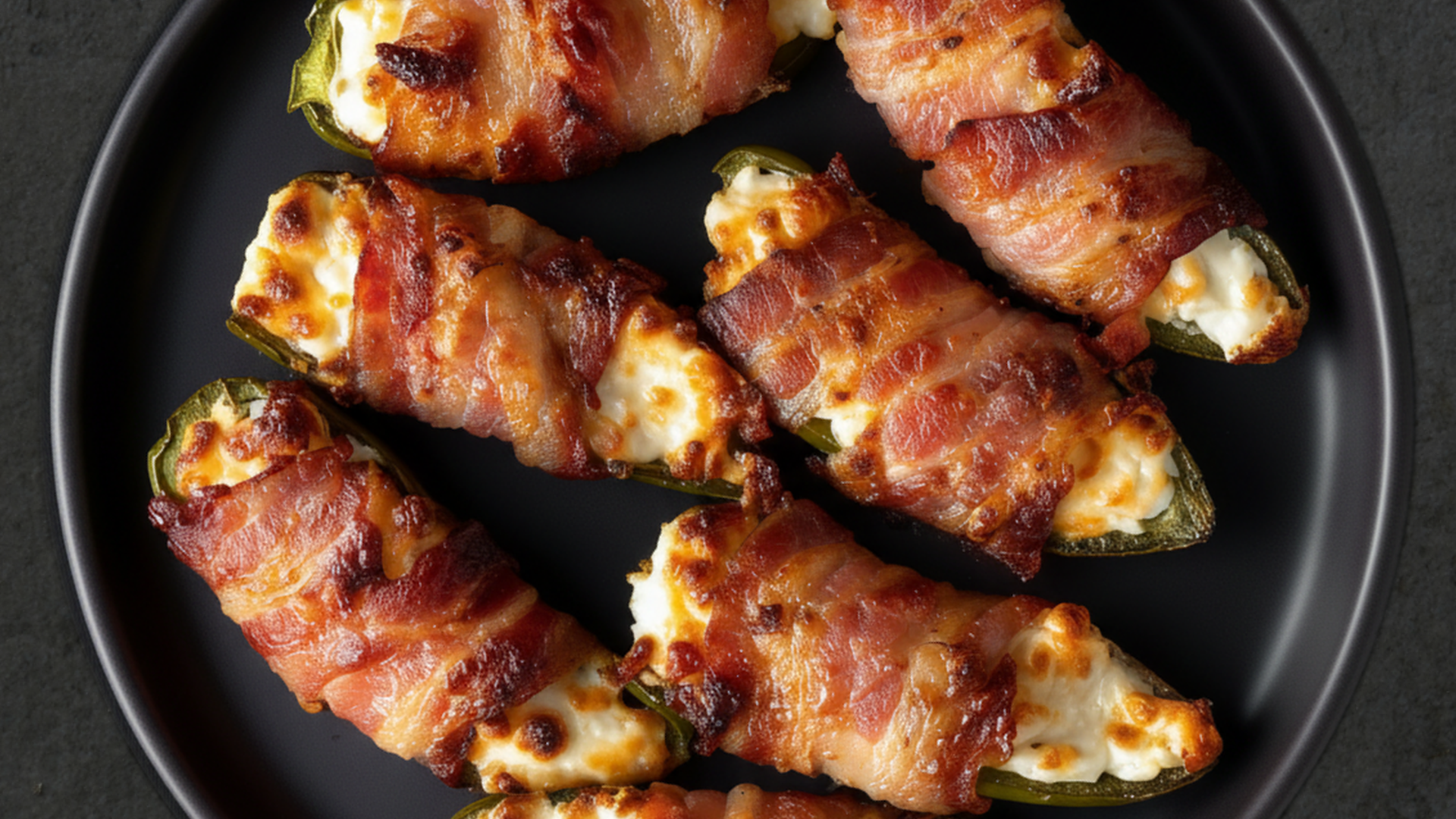
Bacon-Wrapped Jalapeño Poppers
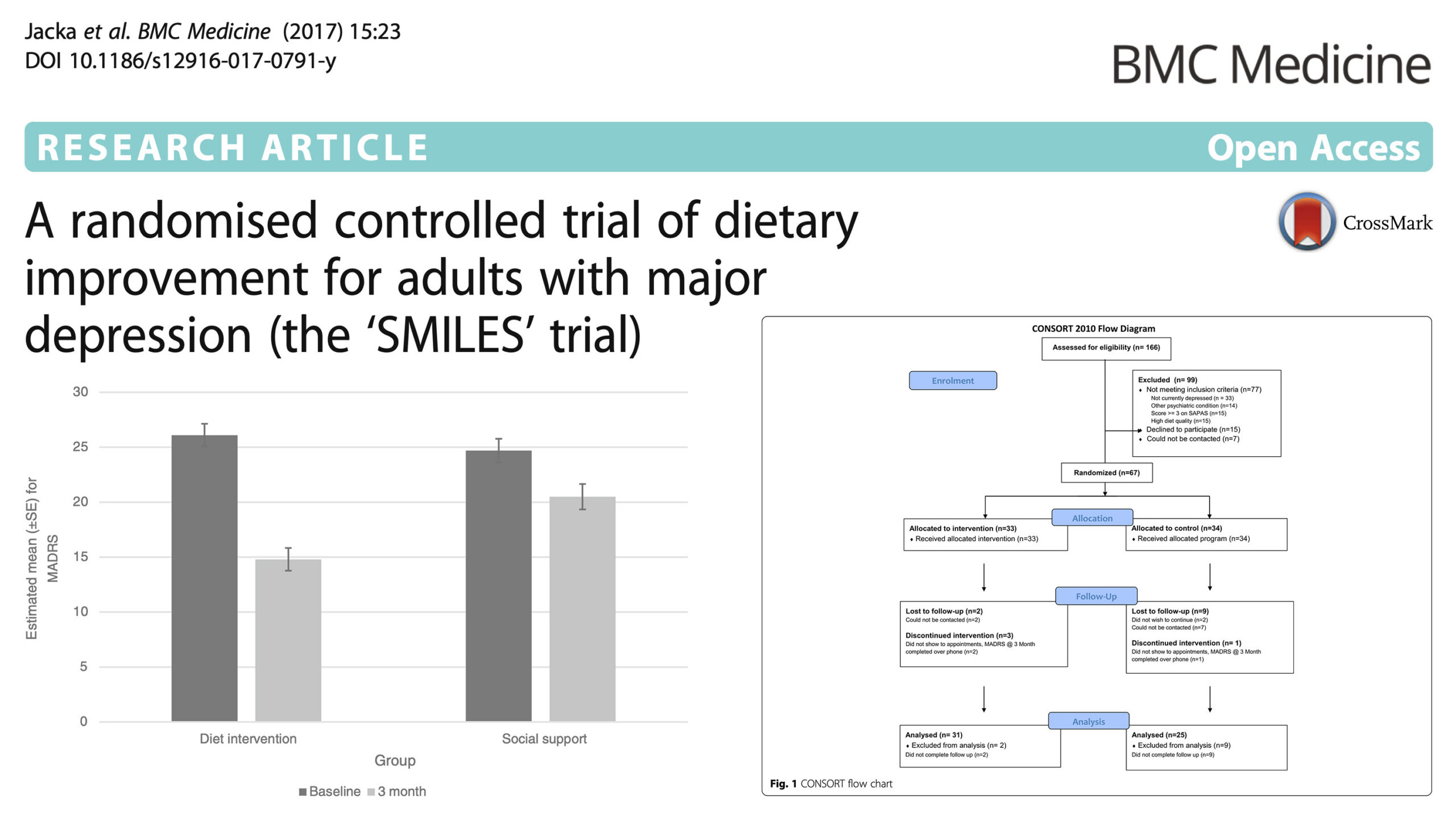
The ‘SMILES’ Trial
Front squat 10-10-10-10-10 reps
Crispy bacon-wrapped jalapeños stuffed with creamy, cheesy filling—the perfect smoky, spicy appetizer or snack.
A small but well-controlled trial suggests improving diet quality can significantly reduce depression symptoms
Additionally, stretch for 20 minutes.
Post loads to comments.
Ingredients
8 jalapeños, halved lengthwise and seeds removed
8 slices bacon
4 oz cream cheese, softened
½ cup shredded cheddar or Monterey Jack cheese
1 clove garlic, minced (optional)
¼ tsp smoked paprika
Salt and black pepper, to taste
Toothpicks (to secure the bacon, if needed)
Macronutrients
(per serving, 2 poppers — serves 4)
Protein: 14g
Fat: 22g
Carbs: 3g
Preparation
Preheat the oven to 400°F (200°C) and line a baking sheet with parchment paper or foil.
In a bowl, mix cream cheese, shredded cheese, garlic (if using), smoked paprika, salt, and pepper until smooth.
Spoon the mixture evenly into each jalapeño half, pressing gently to fill.
Cut bacon slices in half, then wrap each filled jalapeño with a piece of bacon, securing with a toothpick if needed.
Place poppers on the prepared baking sheet, seam side down.
Bake 20–25 minutes until the bacon is crisp and the filling is bubbly.
Let cool slightly before serving. Enjoy warm with ranch or chipotle mayo if desired.

In the 2017 SMILES randomized controlled trial, Felice Jacka and colleagues tested whether improving diet quality alone could impact major depression. Sixty-seven adults with moderate-to-severe depression and poor baseline diets were assigned to either a dietary intervention (ModiMedDiet) with structured support from a dietitian or a social support control (“befriending”) designed to control for time and attention. After 12 weeks, the dietary group showed significantly greater improvements in depression severity, with a ~7-point larger reduction in MADRS scores and higher remission rates (32% vs. 8%).
Notably, these improvements occurred without meaningful changes in weight, physical activity, or most metabolic markers, suggesting the effect was independent of those factors. Dietary adherence correlated with improvements in depression scores, supporting a potential causal role of diet quality itself. However, the trial was small and may overestimate effect size, and participants were already selected for poor diets, limiting generalizability. Overall, the findings provide early controlled evidence that improving diet quality may be a useful tool for treating depression—though larger and more rigorous trials are needed, and it remains unclear whether more metabolically impactful interventions would produce stronger or more durable effects.
TUESDAY 260505