



The
Daily
Fix
3 rounds for time:
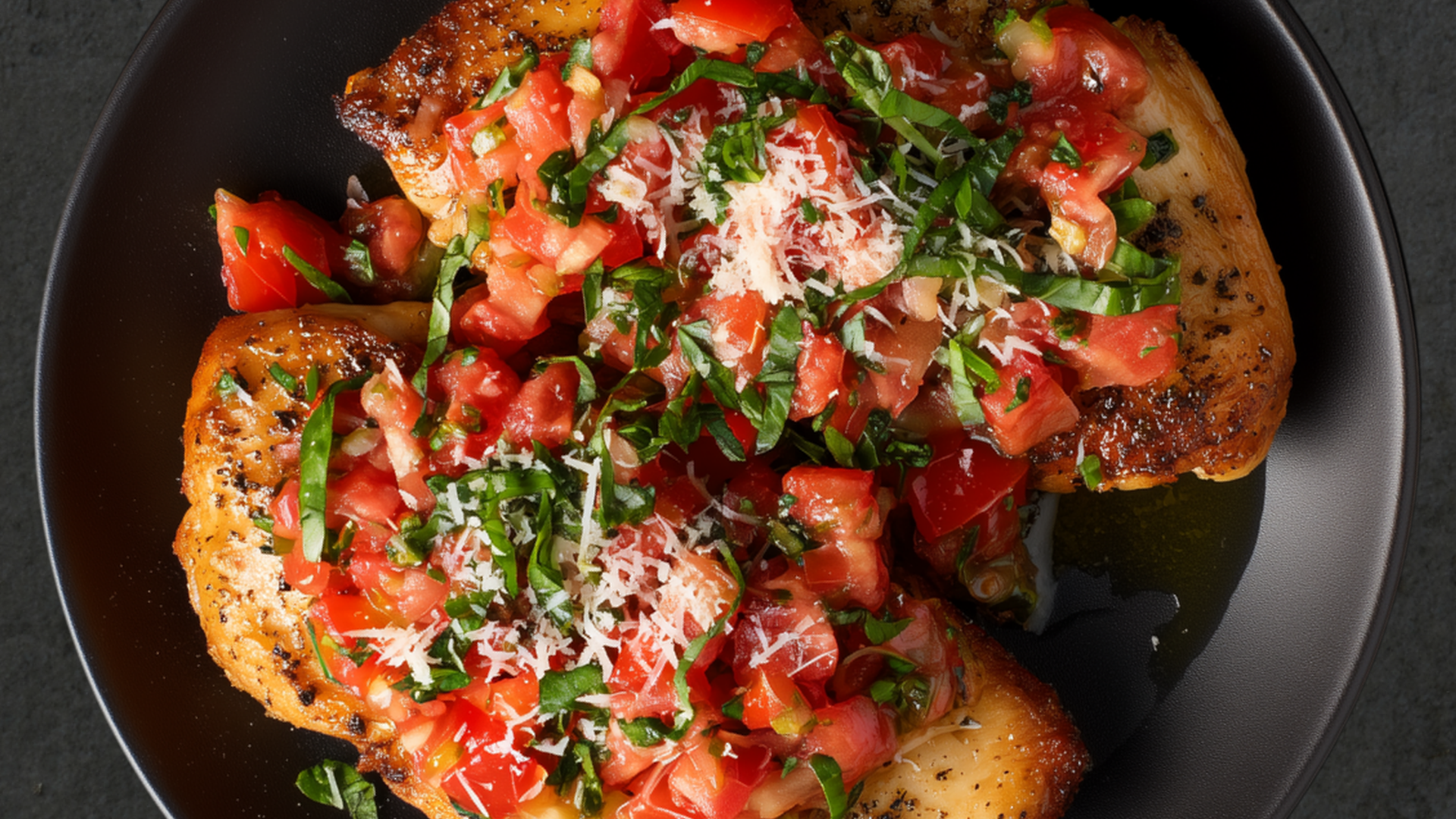
Bruschetta Chicken
‘Pharma, not really’
1,000-meter row
5 rounds of Strict Cindy
Pan-seared chicken topped with a buttery garlic tomato bruschetta mix and finished with a drizzle of olive oil.
Why AI’s top young talent isn’t interested in a career at big drugmakers
A round of Strict Cindy is 5 strict pull-ups, 10 push-ups, and 15 squats.
Post time to comments.
Ingredients
6 oz boneless, skin-on chicken thighs or breasts
1½ Tbsp butter or tallow (for cooking)
½ cup cherry tomatoes, finely diced
1 small clove garlic, minced
1 Tbsp shallot or red onion, finely minced
1 Tbsp fresh basil, chopped
1 tsp balsamic vinegar (optional, for tang)
Salt and pepper, to taste
1 tsp olive oil (for finishing)
Optional: freshly grated Parmesan for garnish
Macronutrients
(makes 1 serving)
Protein: 42g
Fat: 39g
Carbs: 5g
Preparation
In a small bowl, combine diced tomatoes, garlic, shallot, basil, salt, pepper, and optional balsamic vinegar. Set aside to let flavors meld while you cook the chicken.
Season chicken with salt and pepper. In a skillet over medium-high heat, melt butter or tallow. Sear chicken skin-side down (if using thighs) for 4–5 minutes until golden and crisp. Flip and cook another 3–4 minutes until fully cooked through. Remove from heat and let rest briefly.
In the same skillet, reduce heat to medium. Add the tomato mixture and sauté gently for 1 minute just to warm and soften slightly — not to fully cook.
Place chicken on a plate and top with warm bruschetta mixture. Drizzle with olive oil and garnish with fresh Parmesan or extra basil, if desired.

Many of the most promising young AI researchers are choosing careers in tech over pharmaceutical companies. At one of the world’s largest AI conferences, students and postdoctoral researchers repeatedly described big pharma as slower-moving, less innovative, and less attractive than companies like OpenAI, Anthropic, and Google DeepMind. Pay was a major factor, but many also felt pharma undervalued scientific creativity and treated AI experts more like support staff than leaders in research.
There is also a broader cultural divide. While pharmaceutical executives frequently promote AI as the future of medicine, the industry has little visible presence at major AI research events and struggles to attract top talent. Researchers described tech companies as more ambitious, better funded, and more willing to pursue bold ideas, while pharma was seen as conservative and slowed by bureaucracy and public distrust.
Overall, this author predicts that much of the next wave of AI-driven scientific innovation may emerge from technology companies and startups rather than traditional pharmaceutical institutions.
SUNDAY 260517