



The
Daily
Fix

260518

MONDAY 260518
0 0 0

Rest

Philly Cheesesteak Skillet

Why Food Questionnaires Keep Misleading Nutrition Science

Article Heading Photo
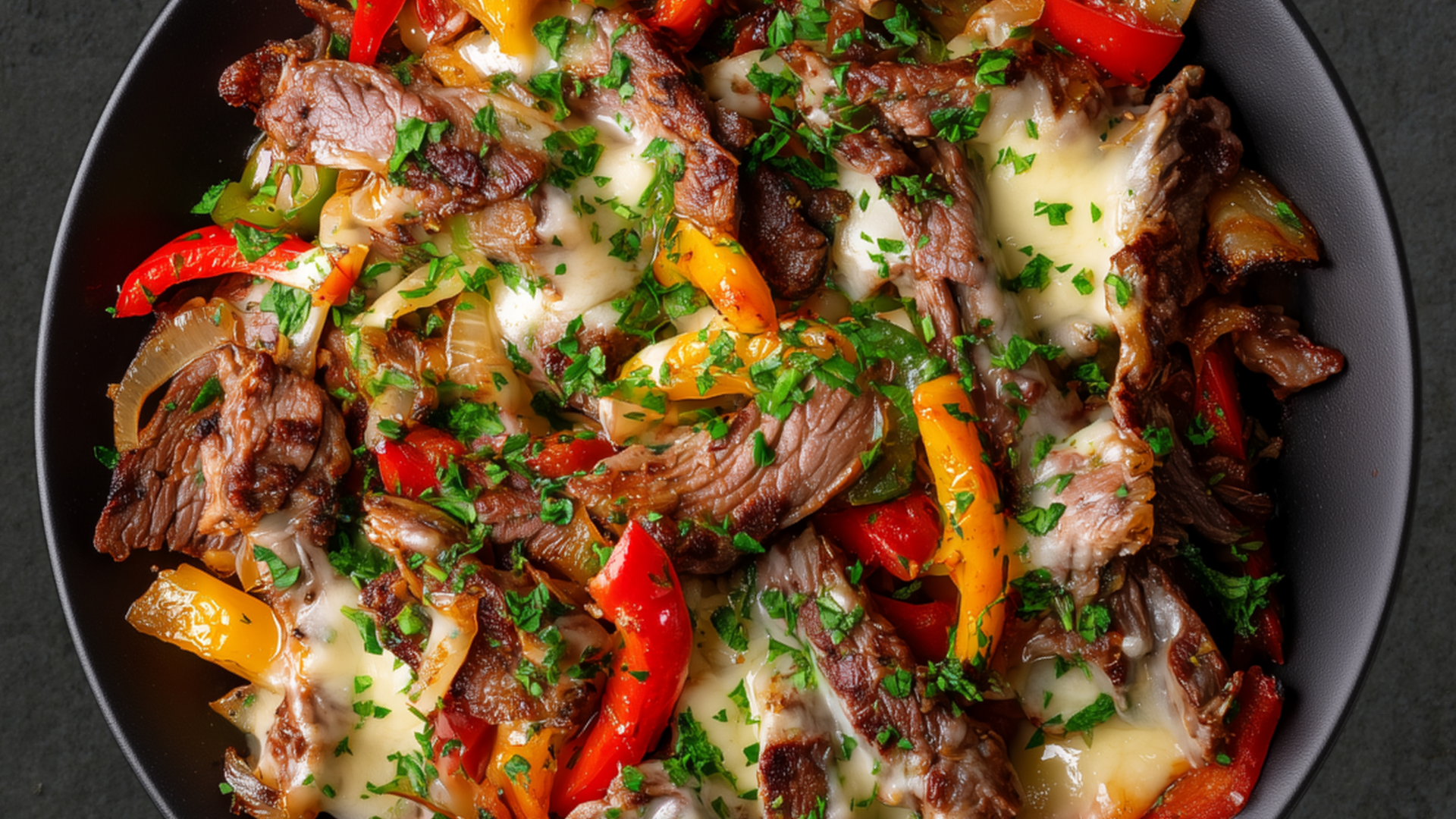
Photo of Philly Cheesesteak Skillet

Rest day

Thinly sliced beef sautéed with onions and bell peppers in butter, smothered in melted provolone and served skillet-style.
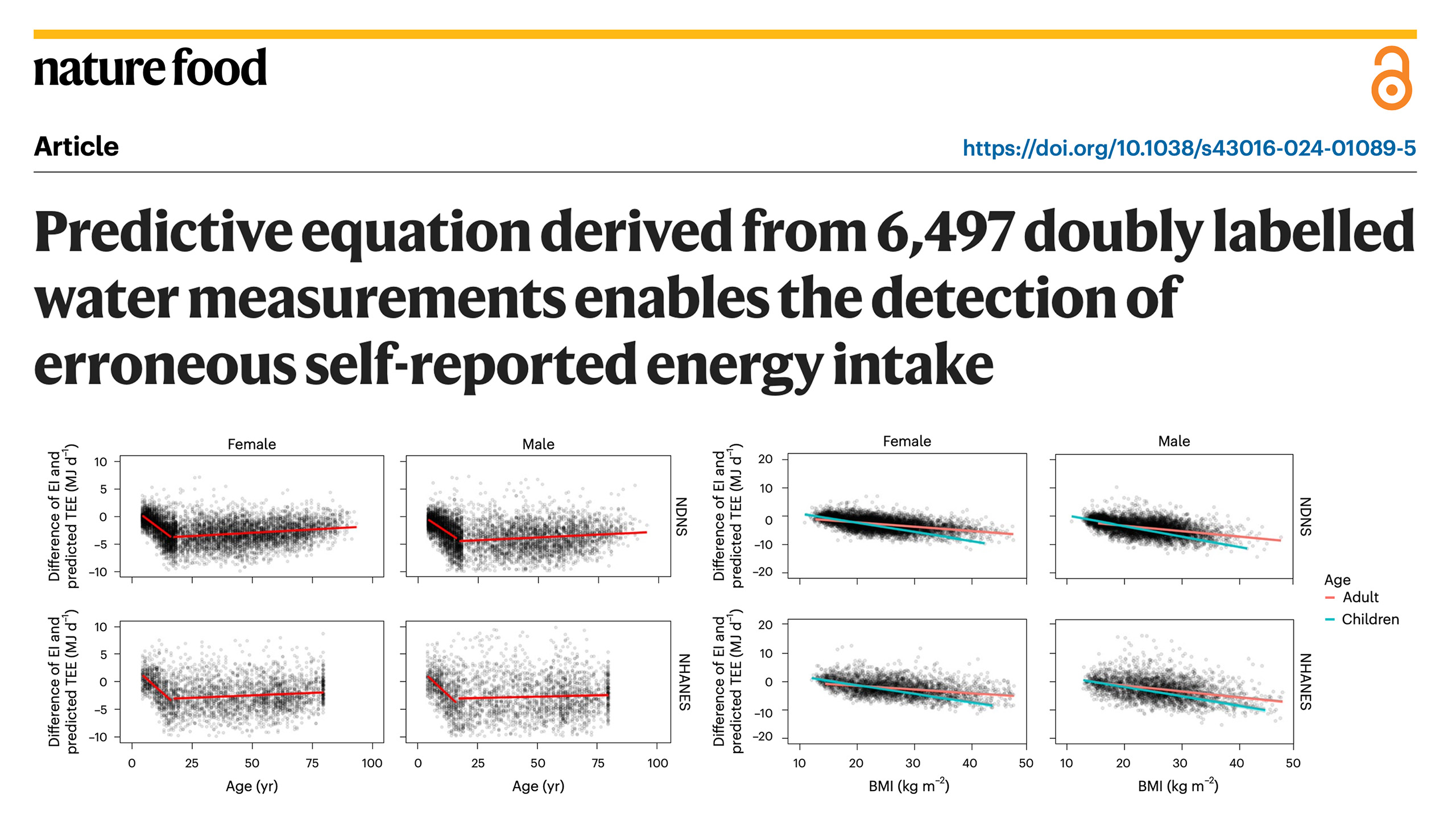
Predictive equation derived from 6,497 doubly labelled water measurements enables the detection of erroneous self-reported energy intake

Tab Photo

The
Daily
Fix

Photo of Philly Cheesesteak Skillet Article Heading Photo

Enjoy the recovery time, or make-up anything you missed from last week.

Ingredients

1 lb ribeye or sirloin steak, very thinly sliced (freeze slightly for easier slicing)
2 Tbsp butter (for cooking)
½ large yellow onion, thinly sliced
½ green bell pepper, thinly sliced
½ red bell pepper, thinly sliced
2 cloves garlic, minced
1 tsp Worcestershire sauce (optional, check for sugar-free)
1 tsp paprika
Salt & black pepper, to taste
4 oz provolone cheese, sliced or shredded
Optional: 1 tsp olive oil (for finishing), chopped parsley for garnish

Macronutrients
(per serving, makes 2)

Protein: 48g
Fat: 45g
Carbs: 7g

Preparation

In a large skillet over medium heat, melt 1 Tbsp butter. Add sliced onion and peppers, season with salt and pepper, and sauté for 6–8 minutes until soft and slightly caramelized. Add garlic and cook for 1 minute more. Remove veggies and set aside.

Increase heat to medium-high. Add the remaining 1 Tbsp butter to the pan. Sear the thinly sliced steak in batches if necessary — cook for 1–2 minutes per side until just browned. Season with paprika, Worcestershire (if using), and salt and pepper.

Return sautéed veggies to the skillet with the beef. Toss everything together evenly. Spread into an even layer and top with provolone slices. Cover the skillet and reduce heat to low. Let sit for 2–3 minutes until the cheese is melted and bubbly.

Drizzle with a little olive oil off heat if desired. Garnish with parsley. Serve hot straight from the skillet, or spoon into lettuce wraps, over cauliflower mash, or into a low-carb bowl.


Researchers analyzed nearly 6,500 measurements using doubly labeled water—a gold-standard technique that tracks calorie expenditure by following harmless isotopes through the body to measure how much carbon dioxide a person produces over time. Using this data, they developed a new method for identifying inaccurate food questionnaire responses. When applied to large nutrition databases like NHANES, the model suggested that roughly 27% of self-reported dietary records were physiologically implausible, with underreporting especially common in people with higher BMI.

The inaccuracies were also not random. People who underreported calories tended to report eating more protein and less fat, potentially distorting the conclusions of observational nutrition research. After removing implausible reports, the relationships between macronutrient intake and BMI changed substantially.

The study does not prove which diets are healthiest, but it highlights a major limitation of modern nutrition science: many widely cited findings are built on self-reported food questionnaires that likely don't reflect what people actually eat.

Read the Study

COMMENTS

0 COMMENTS 0 COMMENTS 0 COMMENTS SHARE LOGIN PRINT
Log In to leave a comment - Log In?
Go to Top