



The
Daily
Fix
For load:
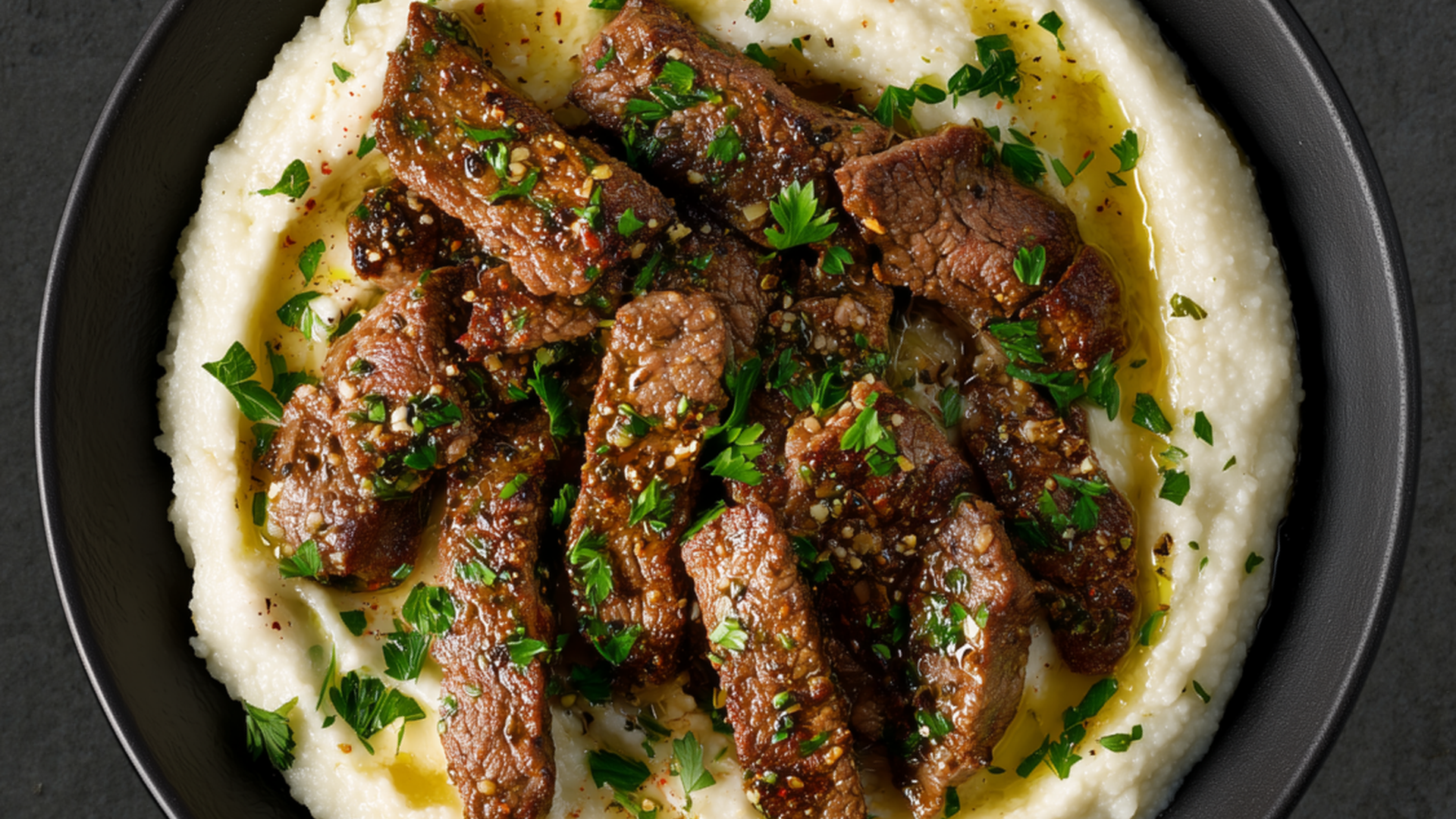
Horseradish Beef Skillet
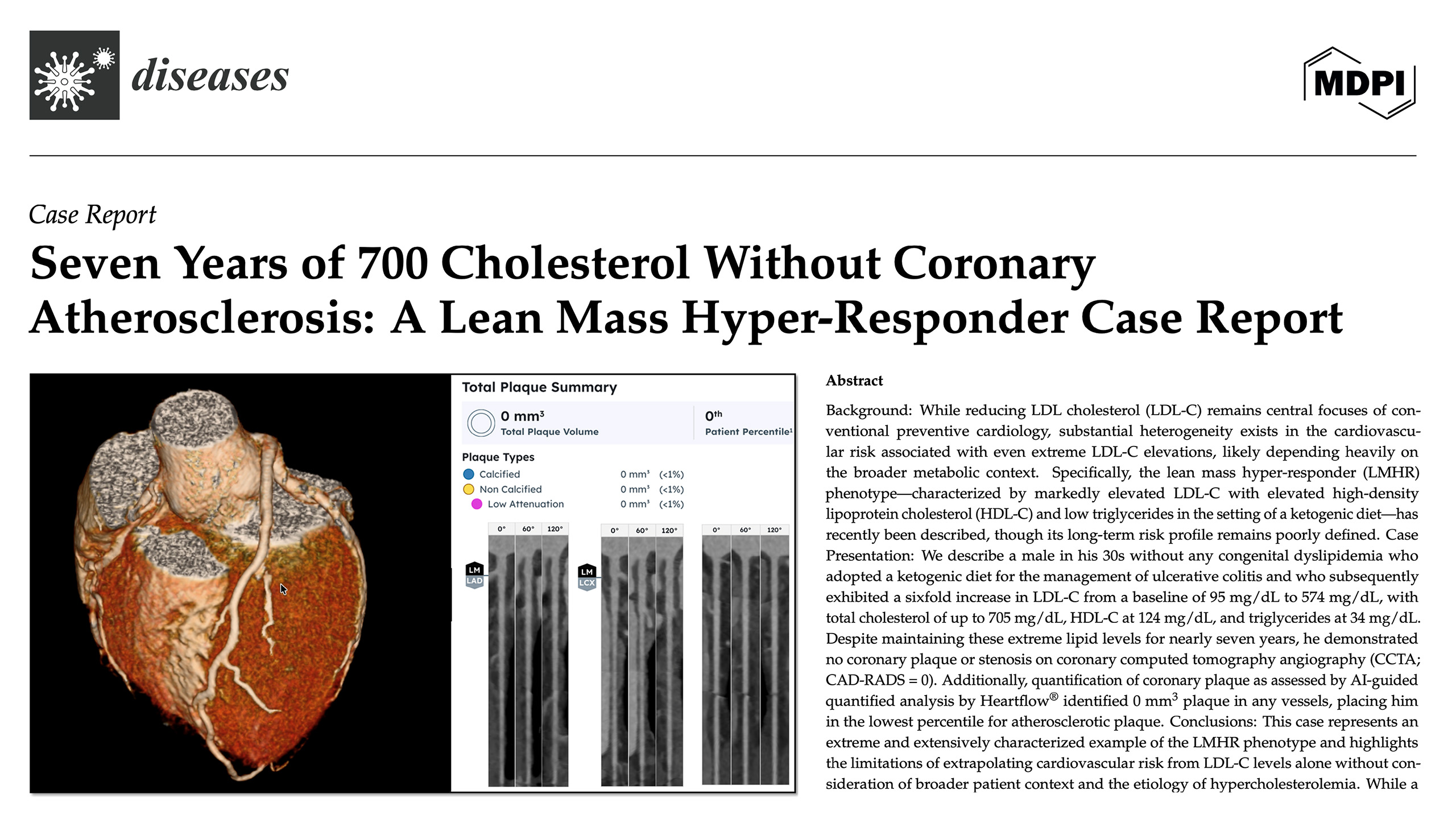
Seven Years of 700 Cholesterol Without Coronary Atherosclerosis
Clean and jerk 1-1-1-1-1-1-1 reps
Tender seared beef strips simmered in a garlic-horseradish cream sauce with herbs and butter, served over cauliflower mash or sautéed greens.
A ketogenic “lean mass hyper-responder” showed no detectable plaque despite extremely high LDL levels
Additionally, practice L-sits for 20 minutes.
Post loads to comments.
Compare to 251110.
Ingredients
1 lb sirloin or ribeye steak, thinly sliced against the grain
Salt & pepper, to taste
1 tsp garlic powder
1 Tbsp butter (for searing)
For the Sauce:
1 Tbsp butter
2 cloves garlic, minced
½ cup heavy cream
1½ Tbsp prepared horseradish (sugar-free)
1 tsp Dijon mustard (optional)
1 tsp fresh thyme or ½ tsp dried
Salt & black pepper, to taste
Optional Add-ons:
2 Tbsp chopped parsley (for garnish)
1 tsp olive oil (for finishing — off heat only)
Serve over: cauliflower mash, sautéed spinach, or roasted radishes
Macronutrients
(per serving, makes 3)
Protein: 40g
Fat: 38g
Carbs: 3g
Preparation
Season sliced steak with salt, pepper, and garlic powder. Heat 1 Tbsp butter in a skillet over medium-high. Sear beef in batches for 1–2 minutes per side until browned but still tender. Remove and set aside.
Lower heat to medium. In the same skillet, add 1 Tbsp butter and sauté garlic for 30 seconds. Stir in heavy cream, horseradish, Dijon mustard (if using), and thyme. Simmer for 2–3 minutes until slightly thickened.
Return the seared beef (and any juices) to the skillet. Stir to coat and simmer for 1–2 more minutes, just to heat through. Adjust seasoning to taste.
Spoon over cauliflower mash or low-carb veggies. Garnish with parsley and a light drizzle of olive oil if desired.

In this case report, Nicholas Norwitz, Dave Feldman, and colleagues describe a man in his 30s who developed extremely high cholesterol after adopting a ketogenic diet to treat ulcerative colitis. His LDL cholesterol rose from 95 mg/dL to as high as 574 mg/dL, with total cholesterol exceeding 700 mg/dL for nearly seven years. Despite these levels, advanced coronary CT imaging found no detectable plaque, stenosis, or calcification, placing him in the lowest percentile for atherosclerotic burden.
The patient fit the profile of a “lean mass hyper-responder” (LMHR): lean, athletic, insulin-sensitive individuals who sometimes experience dramatic LDL increases on carbohydrate-restricted diets alongside high HDL and very low triglycerides. The authors argue this phenotype may reflect an adaptive shift in energy transport during fat-based metabolism rather than conventional metabolic disease, and note that emerging LMHR research has not shown LDL and ApoB levels alone to predict plaque progression as expected.
While the paper does not claim high LDL is harmless, it pushes back on the assumption that LDL cholesterol alone determines cardiovascular risk independent of metabolic context, and calls for more research into how metabolic health and lipid metabolism interact in determining actual cardiovascular risk.
Form is improving a big but still needs a lot of work