



The
Daily
Fix

260524

SUNDAY 260524
1 0 0

3 rounds of the couplet:

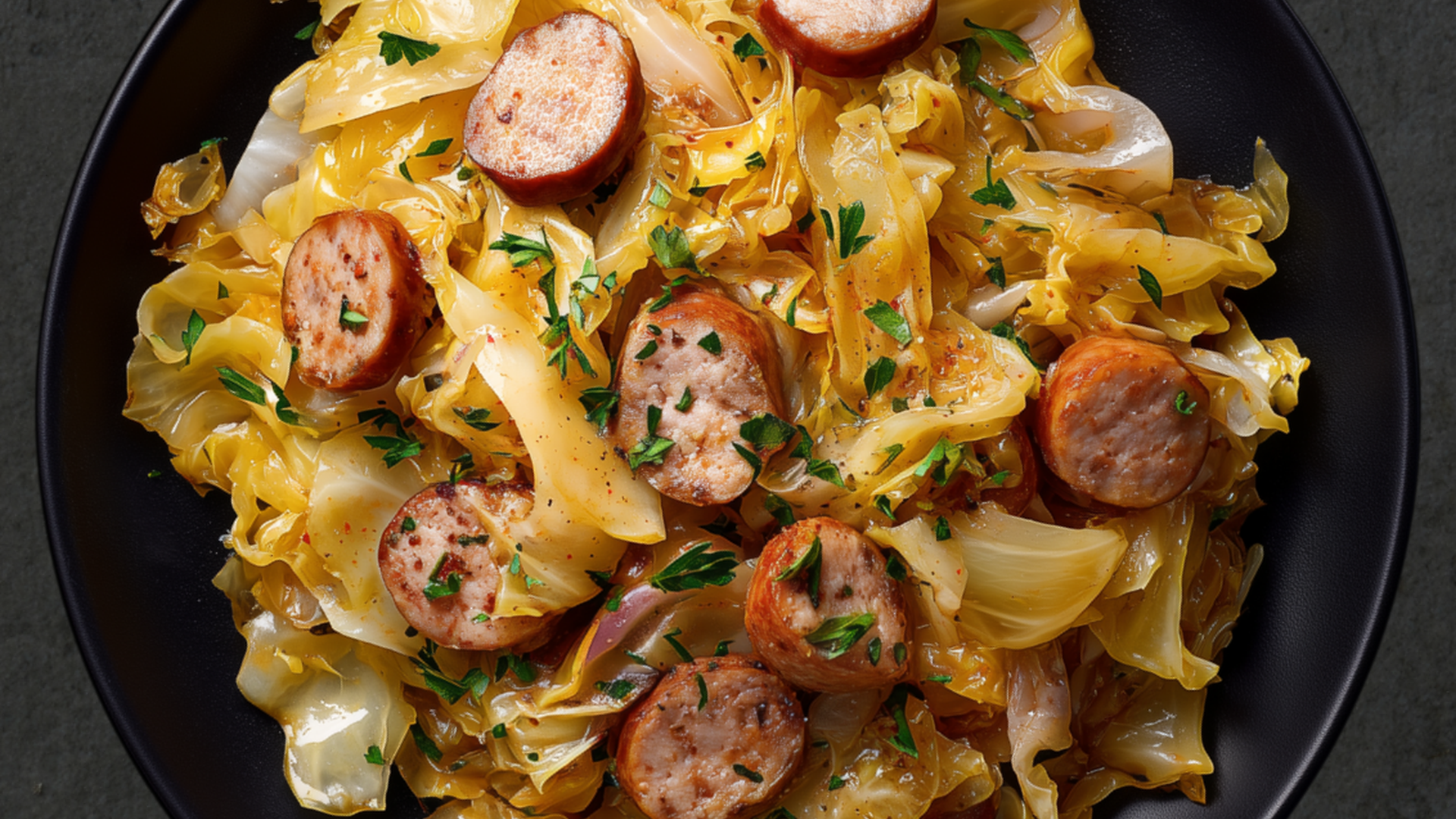
Sausage with Paprika‑Spiced Cabbage

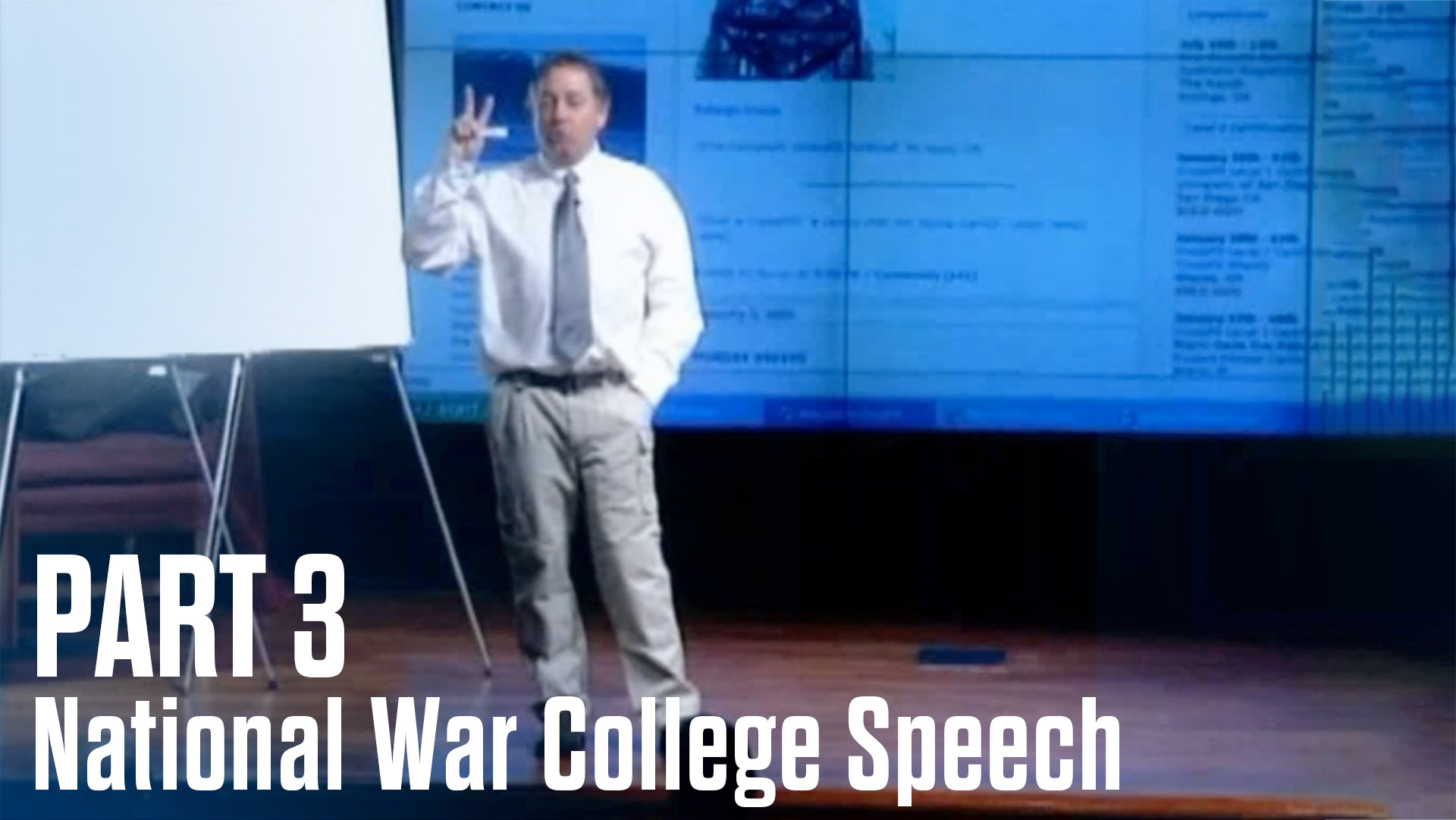
National War College Speech: Part 3

Article Heading Photo
Photo of Sausage with Paprika‑Spiced Cabbage

Burpees
Row (calories)

Round 1: 15-12-9 reps
Round 2: 12-9-6 reps
Round 3: 9-6-3 reps

Savory sausage links are seared in butter and served over tender, paprika‑spiced cabbage with a rich garlic butter sauce and a light olive oil finish.
Questions on intensity, safety, and general physical preparedness

Tab Photo

The
Daily
Fix

Photo of Sausage with Paprika‑Spiced Cabbage Article Heading Photo

Start each round 10 minutes apart (at 0:00, at 10:00, at 20:00).

On the burpees, jump and touch a target 6 inches above your max reach.

Post time from each round to comments,

Ingredients

8 oz pork sausage links (sugar‑free)
2 Tbsp butter (for cooking)
2 cups green cabbage, thinly sliced
½ small yellow onion, thinly sliced
2 garlic cloves, minced
1 tsp smoked paprika
½ tsp sweet paprika
¼ tsp crushed red pepper flakes (optional)
2 Tbsp heavy cream
Salt and black pepper, to taste
1 tsp apple cider vinegar (optional, for balance)
1 tsp olive oil (for finishing only)

Macronutrients
(per serving, makes 1)

Protein: 30g
Fat: 50g
Carbs: 6g

Preparation

Heat 1 Tbsp butter in a large skillet over medium heat. Add sausage links and sear on all sides until deeply browned and fully cooked through, about 8–10 minutes. Remove sausages from the pan and set aside, keeping warm.

In the same skillet, add remaining butter. Add sliced onion and cook for 3–4 minutes until softened and lightly golden. Stir in garlic and cook for 30 seconds until fragrant.

Add sliced cabbage to the skillet along with smoked paprika, sweet paprika, crushed red pepper flakes, salt, and pepper. Toss well to coat. Cook for 6–8 minutes, stirring occasionally, until cabbage is tender and slightly caramelized.

Lower heat and stir in heavy cream and apple cider vinegar (if using). Simmer gently for 1–2 minutes until the cabbage is glossy and lightly creamy.

Slice sausages and nestle them into the cabbage. Remove from heat and drizzle with olive oil just before serving for a rich, clean finish.


In the first question-and-answer session following his presentation at the National War College at National Defense University, Coach Glassman expands on the principles behind his training approach and addresses questions about program structure and safety. He explains that the workout of the day is an advanced stimulus designed to push even highly trained individuals beyond their current fitness capacities. Because of this potency, training must follow a strict progression: athletes must first learn proper movement mechanics, then demonstrate consistency in those movements, and only afterward add intensity—typically measured with a timer. Establishing this foundation, often through weeks of practice, ensures that high-intensity training can be introduced safely and effectively.

Glassman also discusses the importance of General Physical Preparedness (GPP), arguing that broad, foundational fitness is frequently more valuable to athletic performance than highly specialized training. While athletes must still practice their sport, he notes that modern strength and conditioning programs increasingly emphasize fundamental movements such as squats and deadlifts rather than attempting to replicate sports movements in the gym. Addressing concerns about injury and connective tissue adaptation, he explains that when introduced responsibly, the program has consistently reduced all-cause injury in groups such as military and law enforcement units. He concludes by emphasizing that intensity is the primary driver of meaningful physiological adaptation, though it must be carefully managed due to the steep dose-response of high-intensity training.

Watch

COMMENTS

1 COMMENT 0 COMMENTS 0 COMMENTS SHARE LOGIN PRINT
Pat McElhone May 25, 2026 | 13:52 EST
5:36, 4:31, 2:59
Log In to leave a comment - Log In?
Go to Top