



The
Daily
Fix
Rest
Pesto, Mozzarella, and Prosciutto Frittata
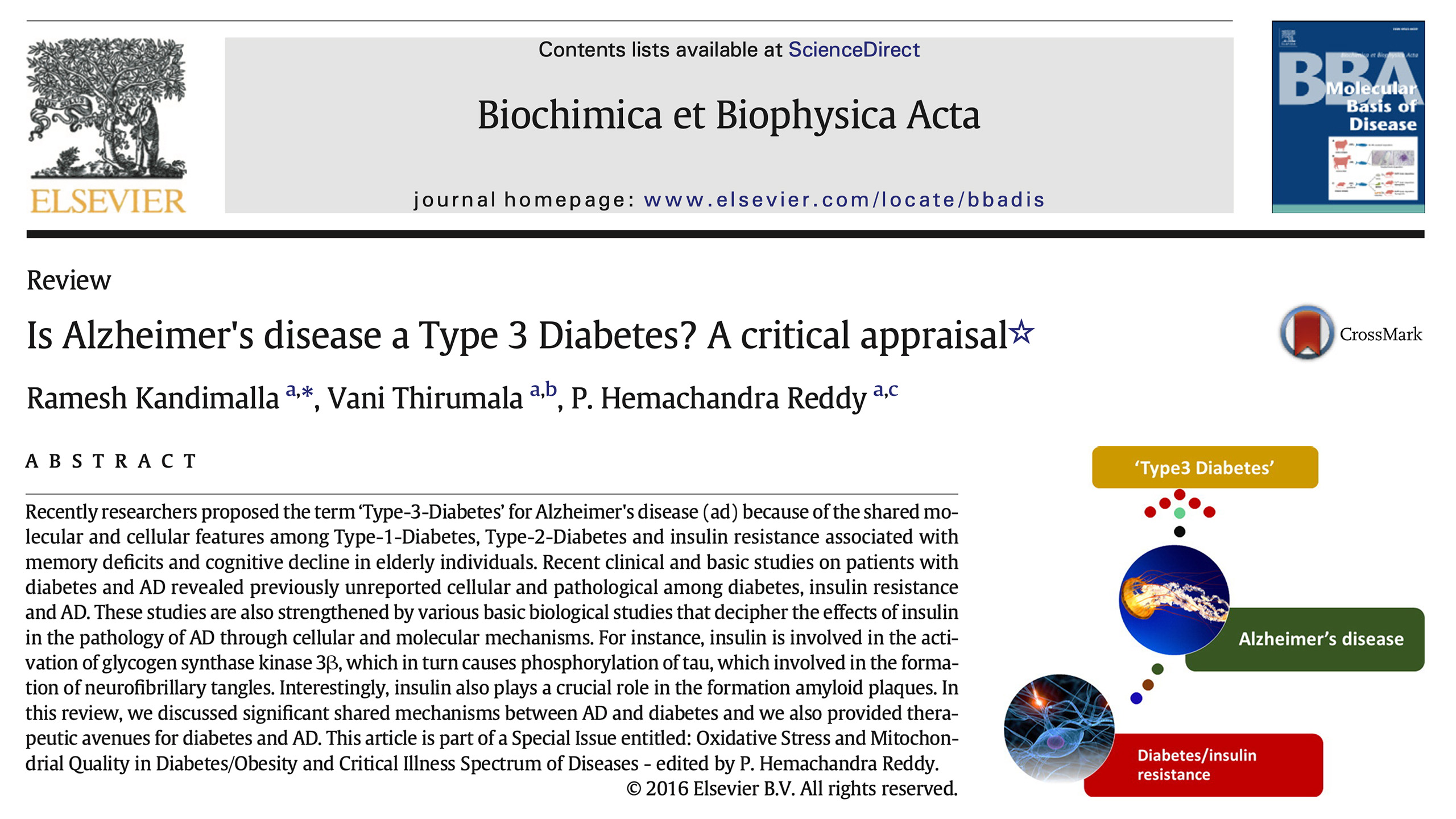
Is Alzheimer’s Disease a Type 3 Diabetes?
Rest day
A rich, savory frittata layered with creamy mozzarella, salty prosciutto, and herby pesto.

A critical appraisal of how insulin resistance and metabolic dysfunction may contribute to cognitive decline
Enjoy the recovery time, or make-up anything you missed from last week.
Photo: MetFix Foundations Course | MetFix Pace, Sacramento, CA | June 13-14
Ingredients
8 large eggs
2 Tbsp butter or tallow (for cooking)
¼ cup heavy cream
¼ cup pesto (homemade or store-bought, no seed oils)
½ cup shredded mozzarella cheese
4 slices prosciutto, chopped or torn into pieces
Salt and black pepper, to taste
Fresh basil or parsley, chopped (for garnish)
Macronutrients
(per serving, serves 4)
Protein: 22g
Fat: 32g
Carbs: 3g
Preparation
Preheat oven to 375°F (190°C). In a large bowl, whisk eggs, heavy cream, pesto, salt, and black pepper until smooth and combined.
Heat butter or tallow in an oven-safe skillet over medium heat. Add prosciutto and cook 2–3 minutes until slightly crisp, then remove from pan.
Pour the egg mixture into the skillet and swirl to distribute evenly.
Sprinkle mozzarella cheese evenly across the top and cook undisturbed for 2–3 minutes until the edges begin to set.
Transfer the skillet to the oven and bake 10–12 minutes until the center is just set and the top is lightly golden.
Remove from the oven, let cool briefly, and garnish with prosciutto and fresh basil slicing and serving.

This 2017 review examines the evidence linking Alzheimer’s disease to diabetes, insulin resistance, and broader metabolic dysfunction. The authors argue that Alzheimer’s shares several key features with type 2 diabetes, including impaired insulin signaling, mitochondrial dysfunction, oxidative stress, inflammation, advanced glycation end products, and disrupted glucose metabolism in the brain.
Insulin plays important roles in the brain, including glucose metabolism, synaptic plasticity, memory formation, amyloid-beta clearance, and tau regulation. When insulin signaling becomes impaired, the brain may become less able to use glucose efficiently, while amyloid-beta, tau phosphorylation, ROS production, mitochondrial damage, and inflammation increase. The review describes this as a possible basis for calling Alzheimer’s “type 3 diabetes.”
The evidence remains incomplete, but the metabolic pattern is hard to ignore: diabetes, hyperinsulinemia, and insulin resistance are repeatedly linked to higher Alzheimer’s risk, while cerebral glucose hypometabolism can appear decades before symptoms. The paper supports the idea that Alzheimer’s may not be only a disease of amyloid plaques, but also a disease of impaired brain energy metabolism.
SUNDAY 260607