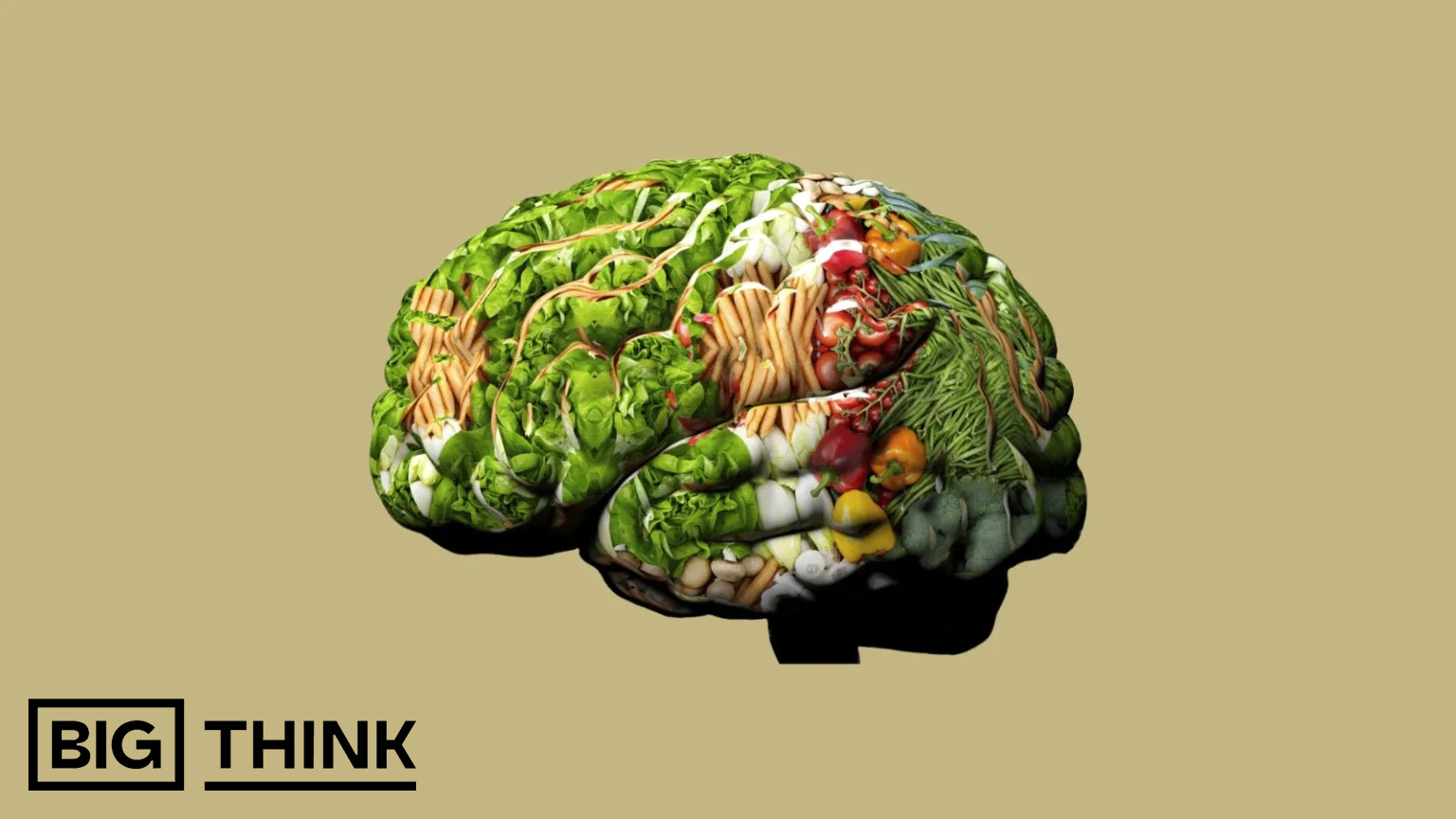
In this excerpt from Brain Energy, Christopher M. Palmer argues that diet affects far more than body weight and cardiovascular health—it also has profound effects on the brain. He suggests that mental health and metabolic health are deeply interconnected through shared neural circuits, hormones, and mitochondrial function. According to Palmer, changes in metabolism can influence mood, cognition, anxiety, addiction, and other mental health conditions, while mental states can also affect metabolism and eating behaviors.
Palmer outlines seven ways dietary interventions may improve mental health, including correcting nutrient deficiencies, removing harmful foods, improving the gut microbiome, supporting mitochondrial function, and addressing unhealthy body composition. He places particular emphasis on metabolic health and mitochondrial performance, arguing that these factors influence inflammation, insulin resistance, energy production, and many other processes linked to brain function.
The article also highlights evidence supporting fasting and intermittent fasting. In animal studies, these interventions improved mood, cognition, and brain health, effects that appeared to depend on healthy mitochondrial function. Palmer argues that understanding mental illness through the lens of metabolism and cellular energy production may help explain why dietary interventions can sometimes improve psychiatric symptoms when traditional approaches fall short.
https://bigthink.com/neuropsych/diet-mental-health/








2x16kg: 5-5
2x24kg:3-3-3
2x32kg: 1-1-1-1